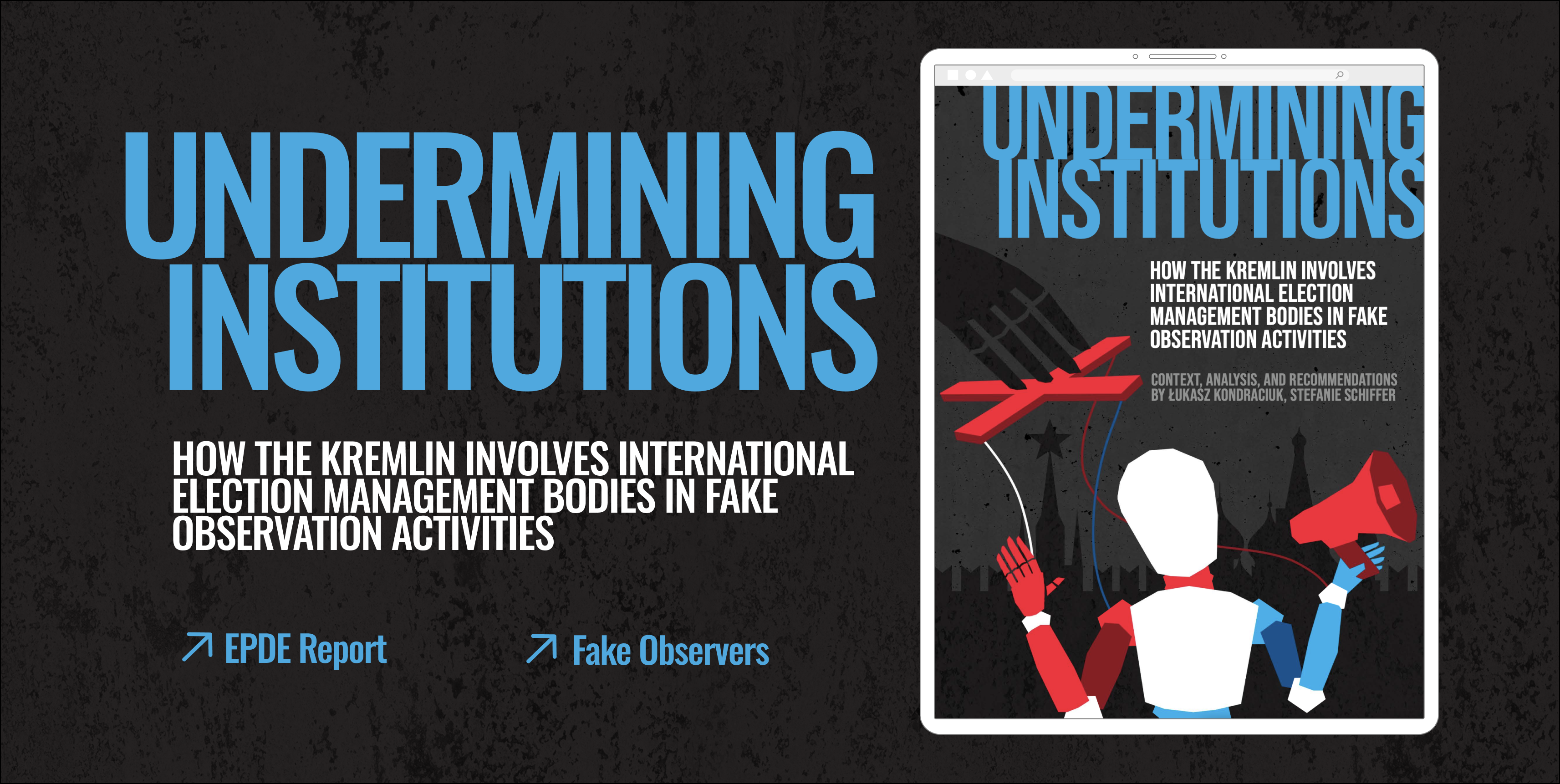
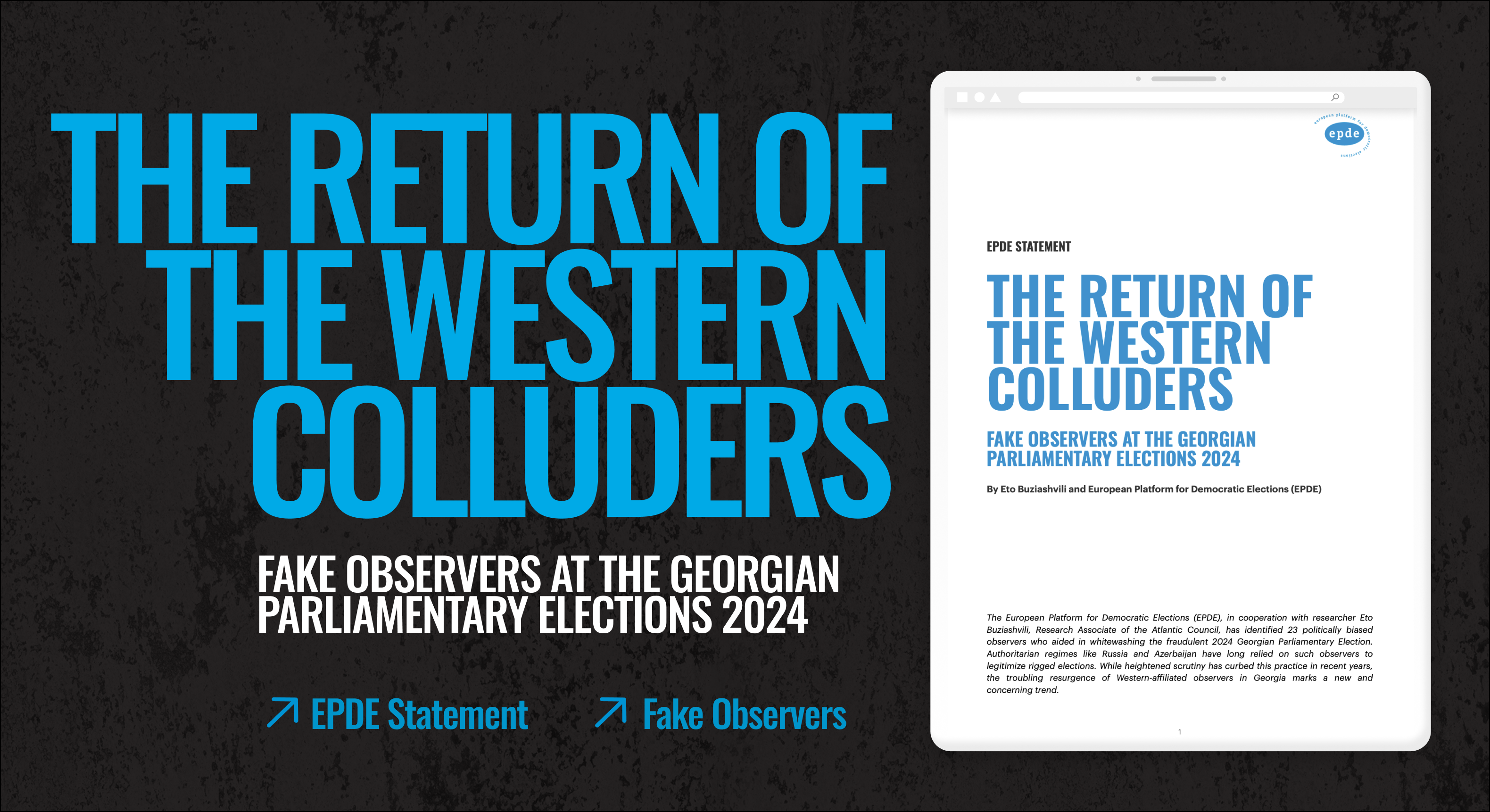
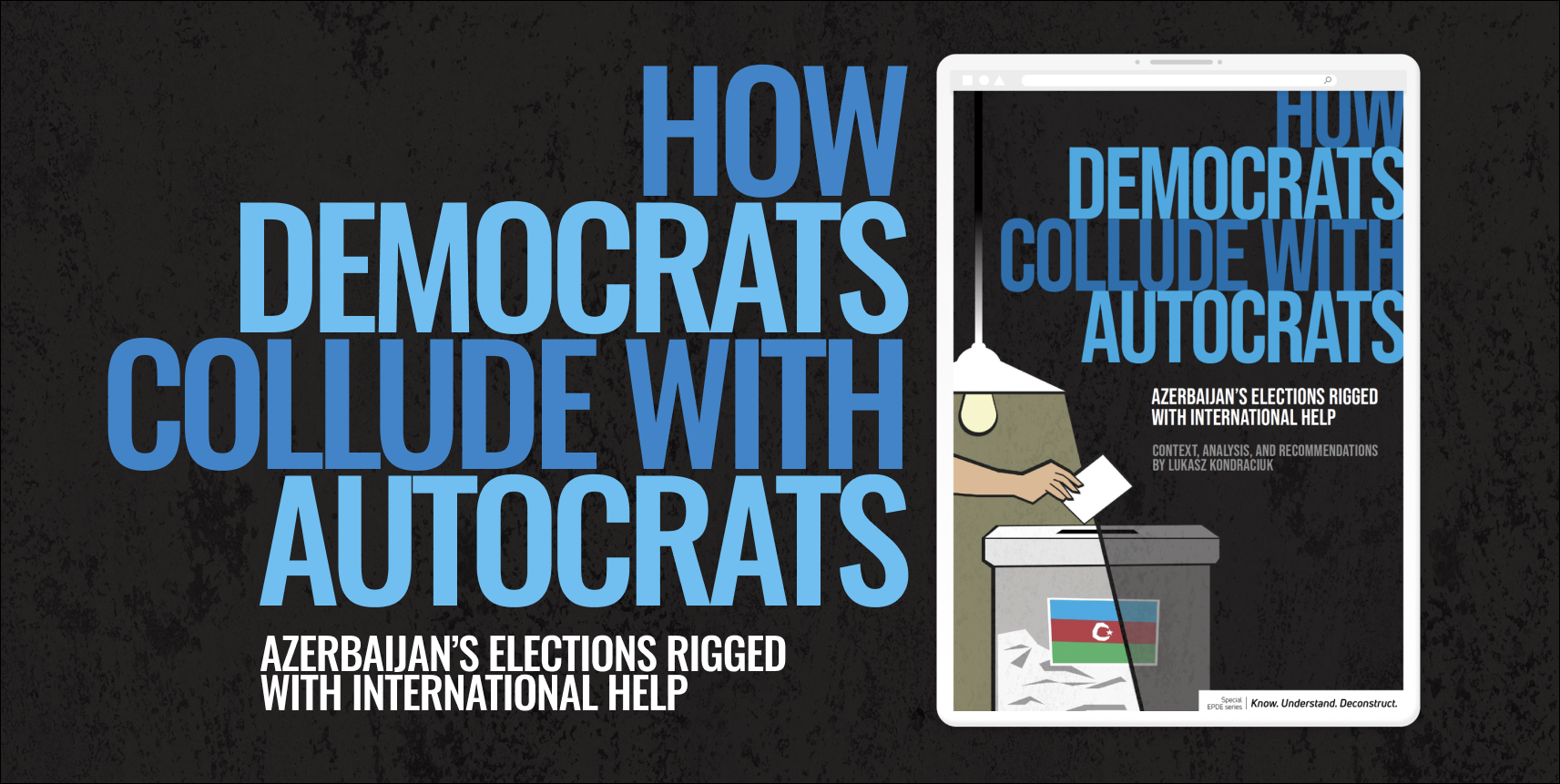
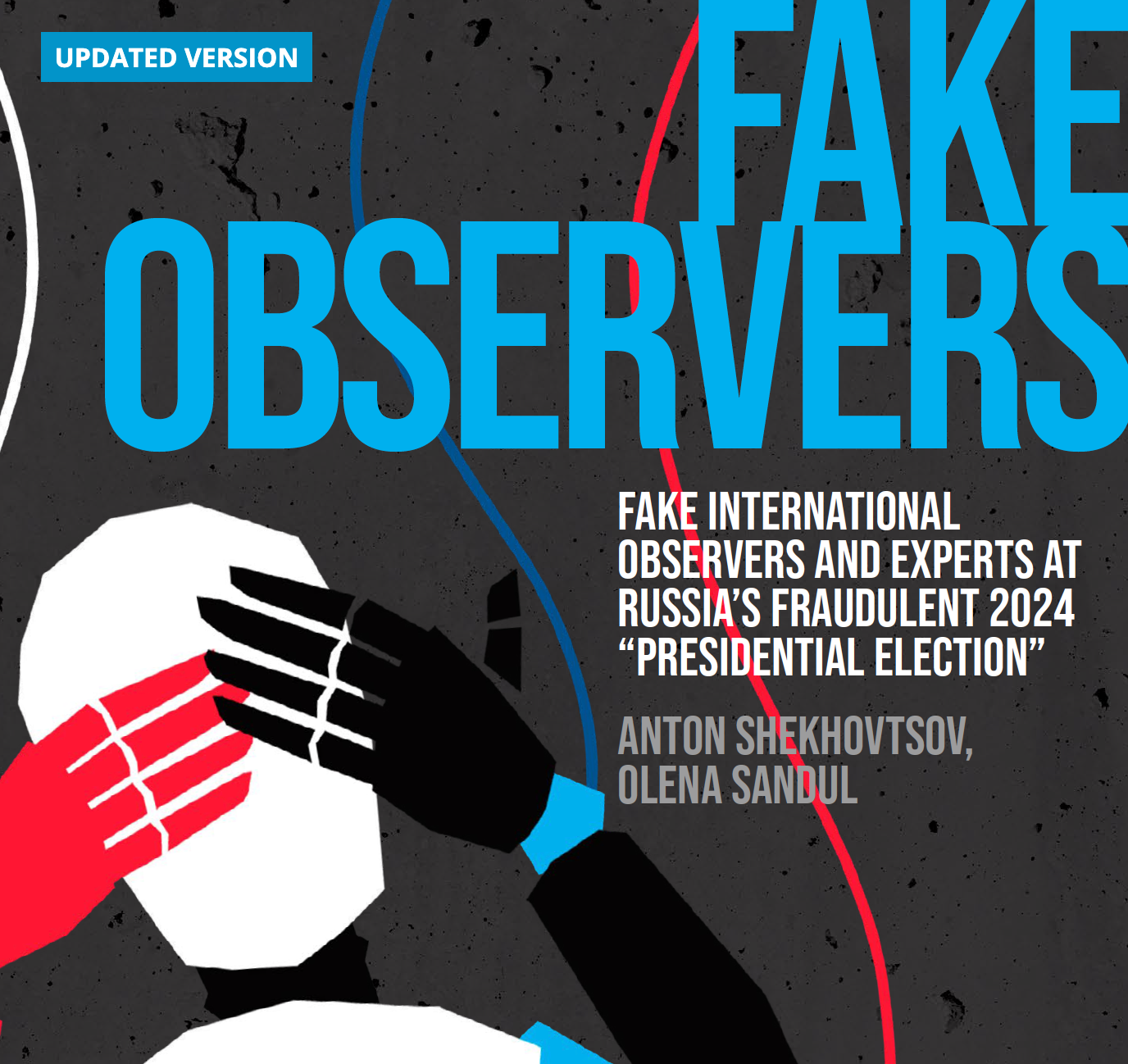
Fighting Fake observation

Fighting fake observation to strengthen the resilience of democratic institutions

What is fake election observation?

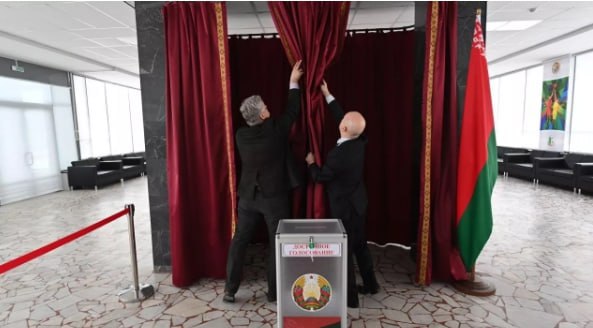
Politically biased or fake observation involves election monitoring by groups and individuals who lack independent credibility and methodology.

These missions often align with non-democratic regimes. They issue politically biased election observation reports, failing to prove their findings with verifiable data based on an internationally trusted and transparent methodology.
 
Politically biased election observation aims to legitimize flawed elections or may, in the opposite case, seed mistrust towards well administered electoral processes. By that they undermine electoral institutions and trust in democratic elections. Fake observers’ missions seek to neutralize findings and assessments from credible organisations like the Organization for Security and Co-operation in Europe / Office for Democratic Institutions and Human Rights (OSCE/ODIHR) and independent domestic election observers, predominantly by propaganda in social, domestic and international media.
 
Unlike legitimate observers, these groups offer little transparency and ignore international standards and election observation methodologies. Per EPDE’s experience, fake observers focus on creating a false sense of legitimacy for non-democratic regimes. In established democracies with electoral processes based on public trust and common societal values, they may claim electoral fraud without factual proof, thereby undermining democratic processes and institutions.
 

EPDE defines fake observers as individuals who participate in election observation as accredited or non-accredited observers or ‘experts’ meeting any of the following criteria:

  1. They fail to denounce the elections as short of meeting democratic standards despite OSCE/ODIHR  monitoring missions or independent domestic election observers deeming them such.
  2. They make statements or comments that lend legitimacy to the elections, contradicting the assessments of the aforementioned observation reports.
  3. They spread ungrounded allegations of election fraud.
  4. They are pretending to act as non-partisan citizens or international election observers, whereas they are in fact acting in favour of one specific political party.
  5. They are likely to have political, economic, or other conflicts of interest that would interfere with conducting observations impartially.
  6. Their activities are restricted to short-term or isolated observations without clear and public acknowledgement of the limited scope of their work or conclusions. They fail to issue public reports on their findings and do not inform the public about their methodology.
  7. They are likely to have travel and/or accommodation costs paid by governments, domestic politicians, or other domestic political actors or by individuals or organisations related to those individuals.

AND

Their presence can be confirmed by a picture or statement from a media outlet.
How does EPDE identify Fake Observers?

fake observers

Latest news and reports

Subscribe to our
newsletter

Sign up for our monthly newsletter
and receive the latest EPDE news

Subscribe to our
newsletter

Sign up for our monthly newsletter and receive the latest EPDE news
We use cookies to optimize our website and our service. Manage your cookie settings here.