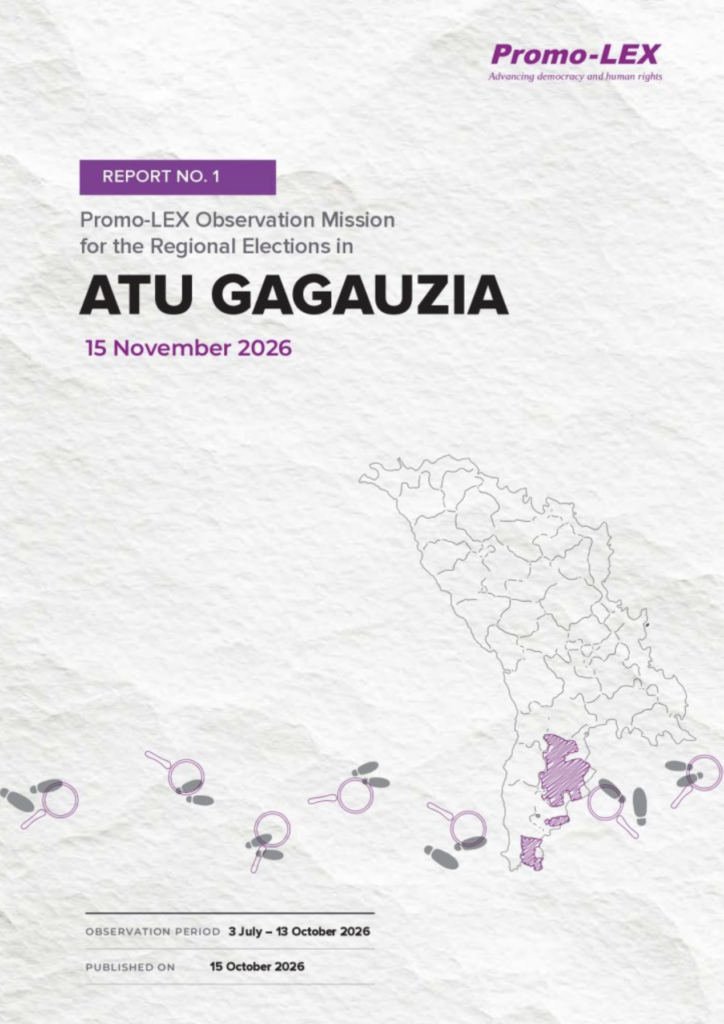
The Promo-LEX Observation Mission for the regional elections in ATU Gagauzia has launched its first report on the elections of 15 November 2026 for the Office of Governor (Bashkan) and for the People’s Assembly. The report covers the period of 3 July – 13 October 2026, preceding the start of the electoral campaign. It analyses the socio-political context of the elections, the nomination and registration of candidates, the activity of the electoral bodies, the conduct of potential competitors, election financing, the use of administrative resources, and the involvement of third parties or coordinated inauthentic behaviour.
Political context. The regional elections of 15 November 2026 are taking place against the background
of an institutional crisis in ATU Gagauzia and complex relations between the authorities of the autonomy
and the central authorities. The conviction of Evghenia Guțul and the finding that the office of Governor
(Bashkan) was vacant, together with the repeated postponement of elections to the People’s Assembly,
whose mandate expired in November 2025, have deepened the difficulties in the functioning of the
regional institutions. Public perception reflects these difficulties: 39.2% of respondents to the PromoLEX survey of March 2026 consider the current People’s Assembly legitimate, while 38.9% consider it
illegitimate.
Electoral competition retains the features of a system in which candidates registered as independents
play an important role in shaping political power, favoured by local name recognition and by the nature
of single-member constituencies. In these circumstances, informal political ties between candidates
declared independent and certain political formations, including those associated with Ilan Șor, pose a
risk, to address which the legislator introduced the notion of a “camouflaged independent candidate”,
applied for the first time in these elections. At the same time, the experience of previous elections,
including the 2023 election of the Governor (Bashkan), points to risks associated with illegal financing
and voter bribery.
The regional context is also shaped by differences in geopolitical orientation compared to the rest of the
country, by the presence of Russian Federation influence in the media and political space, and by the
predominant consumption of political information through social networks, with TikTok being the main
source of information (61.4%). In these circumstances, monitoring of electoral financing, of possible
forms of voter bribery and of the information environment remains essential for assessing the integrity
of the electoral process.
Legal framework. The organisation of the regional elections of 15 November 2026 was marked by
institutional deadlocks, disputes over the competences of the authorities of Gagauzia, and amendments
to the regulatory framework shortly before the start of the electoral period. The elections to the People’s
Assembly were set after two previous failed attempts, about one year after the expiry of the members’
mandate. In the case of the election of the Governor (Bashkan), setting the date fell to the Central
Electoral Commission after the People’s Assembly failed to adopt a decision within the deadline.
The Constitutional Court Judgment of 9 July 2026 and the amendments introduced by Law No. 192/2026
reshaped the legal framework of the regional elections, consolidating their integration into the national
electoral system and delimiting the competences of the authorities involved. Although the principle of
stability of electoral legislation does not prevent the enforcement of constitutional court judgments, Law
No. 192/2026, which entered into force 81 days before the elections, was not limited to the interventions
needed to enforce the judgment, but also included amendments on the financing of electoral campaigns,
independent candidates, voting with a digital identity document and media coverage of the elections. The
harmonisation of the legislation on the special status of Gagauzia with the Electoral Code needs to
continue, in particular as regards Art. 8 and Art. 12 of Law No. 344/1994, in order to clarify the
competences and deadlines applicable to the authorities involved and to ensure a coherent and
predictable legal framework, compatible with international electoral standards.
Electoral bodies. The regional elections of 15 November 2026 are the first elections to the People’s
Assembly and for the office of Governor (Bashkan) organised within the unified national system of
electoral bodies. Following the legislative amendments adopted in August 2026, the Central Electoral
Commission (CEC) took over the role of assisting and supervising the electoral process, while the Central
Electoral Council of Gagauzia (CECG) is responsible for the direct administration of the elections. During
the reporting period, the CEC adopted 19 decisions for the elections to the People’s Assembly and 21 for
the election of the Governor, within the deadlines set by the calendar programmes.
The CECG was established with 15 members by applying the adjusted mechanism for forming electoral
bodies at national level, which allowed all parliamentary parties to appoint members. During the
monitored period, it acted in line with its legal competences, adopted 43 decisions on the organisation of
the elections, the registration of electoral competitors, the establishment of lower-level electoral bodies
and other aspects of the electoral process, and accredited 56 Promo-LEX observers. The three first-level
district electoral councils were established within the legal deadlines. Gender representation within them is unbalanced, with men accounting for only about 17% of all members. Monitoring also revealed
shortcomings in the accessibility of their premises. Moreover, data on the certification of electoral
officials are not publicly available disaggregated by administrative-territorial unit, which prevents
observers from assessing the number of certified persons in ATUG.
The use of the State Register of Voters (SRV) to generate voter lists is a major change compared to
previous regional elections, when the lists were drawn up by local authorities and the number of voters
included in them fell from 113,940 in 2021 to 92,563 in 2023. According to the SRV, 129,613 voters are
registered in ATU Gagauzia, unevenly distributed across the 35 single-member constituencies (from 402
in SMC 23 Carbalia to 6,847 in SMC 12 Baurci), which undermines the principle of equal voting power.
Nomination and registration of competitors. According to CEC decisions, only 38 of the 66 registered
political parties were entitled to take part in the regional elections of 15 November 2026. In the elections
of members of the PAG, a total of 138 candidates were nominated and 135 registered for the 35
constituencies established. Of these, 92 are independent candidates and 43 are candidates of political
parties (PSRM – 23; PPG – 9; PPAM – 7; PPȚ – 2; MAN – 2). Of all registered candidates, 23 are women
(17%) and 112 are men (83%). The electoral bodies adopted 3 decisions refusing the registration of
candidates, two of them on the grounds of the applicants’ party membership.
The largest number of candidates registered in SMC 26 Chirsova – 7, SMC 2 Comrat – 7 and SMC 30
Copceac – 6. At the other end, only one candidate was registered in constituency No. 33 Chioselia Rusă,
and two candidates each in SMC No. 10 Vulcănești, 13 Beșalma, 17 Cioc-Maidan and 19 Joltai. Compared
to the 2021 PAG elections, we find that about 10% more candidates registered in 2026, with an increasing
presence of parties in the regional elections.
For the election of the Governor of Gagauzia of 15 November 2026, eight candidates were nominated and
registered, three of them by political parties (PSRM, PPG, NOI) and five self-nominated. The initiative
groups collected the required signatures within 5–7 days, with validation rates ranging between 76.8%
and 94.6%.
Electoral complaints. During the monitored period, at least four petitions and complaints were
identified concerning electoral campaigning, the use of administrative resources, eligibility conditions
and the registration of candidates. They were resolved by rejection, by a finding of inadmissibility or by
examination as petitions, without confirmation of the alleged violations.
Upholding the refusal to register an independent candidate who had submitted a request to leave the
party before the 70-day deadline, but was still recorded by the PSA as a member of the party’s central
governing body, requires an assessment of the proportionality of the restriction on the right to be elected.
Moreover, petitions, complaints and the acts resolving them are not published fully and systematically,
which makes it difficult to follow electoral practice.
Potential electoral competitors. The period preceding the electoral campaign was marked by at least
293 activities with electoral character (260 in the context of the elections to the People’s Assembly and
33 in the context of the election of the Governor (Bashkan)), consisting mainly of signature collection and
online promotion. At the same time, the announcement of the intention to run and the individual promotion of certain potential candidates before the legal nomination deadline, including in the case of
a candidate for Governor who announced his candidacy almost a month before the vacancy of the office
was established, affect the principle of equal opportunities and facilitate the circumvention of the
provisions on the financing of electoral campaigns.
Fourteen cases that could potentially qualify as use of administrative resources were also documented,
including the redistribution across electoral constituencies of MDL 1.53 million from the reserve fund of
the People’s Assembly after the start of the electoral period, the involvement of some mayors who are
candidates in electoral activities during working hours, and claiming credit for public investments. At the
same time, the activity of certain third parties, including pages administered from abroad, through
sponsored advertisements, as well as coordinated inauthentic behaviour amplifying narratives that
discredit the electoral process and the institutions involved, point to the vulnerability of the regional
information space in the context of these elections.
Observation of the financing of electoral activities. The financing of the regional elections of 15
November 2026 takes place under a legal framework amended shortly before the start of the electoral period, including through the introduction of a financial reporting obligation for the pre-electoral period,
a recommendation previously made by Promo-LEX Association. The CEC budget for organising the
elections amounts to MDL 13,608,490, and the ceiling on financial means that may be transferred to the
“Electoral Fund” account for the election of the Governor is MDL 3,122,416.28.
Financial reporting by electoral competitors was marked by uneven application of the information
obligations. None of the five initiative groups for the office of Governor opened a bank account, only 14
of the 92 independent candidates for Member of the PAG opened an “Electoral Fund” account, and some
candidates, as well as one of the electoral councils, were unaware of the reporting obligations. By 13
October 2026, no electoral competitor had declared any expenditure, while the expenditures estimated
by Promo-LEX EOM amounted to at least MDL 52,978, including MDL 18,282 for the promotion of a
candidate for Governor before nomination. The discrepancy between the declarations of not opening
accounts and the activities observed, estimated at over MDL 6,000 each in the case of two initiative
groups, requires verification by the electoral bodies.
To the Parliament of the Republic of Moldova
To the Parliament of the Republic of Moldova
To the Parliament of the Republic of Moldova
1. Bringing Art. 12 para. (3) letter d) of Law No. 344/1994 into line with the Electoral Code by clarifying
the scope of the competences of the People’s Assembly in relation to the powers of the electoral
authorities regarding the organisation and conduct of regional elections.
2. Amending Art. 16 para. (3) of the Electoral Code to include an obligation for candidates to suspend
their activity during the signature collection period.
3. Supplementing the legal framework applicable to the election of the Governor of Gagauzia by
expressly establishing the moment when the vacancy of the office occurs, clarifying the relationship
between the termination of the mandate by operation of law and the formal act by which the People’s
Assembly establishes the vacancy, and establishing a deadline for adopting this act and a subsidiary
mechanism applicable in the event of inaction by the competent authority.
4. Supplementing the legal framework on the accreditation of national observers for regional elections
by granting the Central Electoral Commission the competence to accredit national observers for
these elections, in order to ensure a clear and coherent mechanism applicable throughout the
electoral period.
5. Simplifying the mechanism for acquiring and terminating membership of a political party, so as to
guarantee the right to run where the intention to leave the political party was expressed outside the
70-day period before election day provided for by the Electoral Code.
6. Harmonising the rules and conditions for registering candidates for Member of the PAG in Law
344/1994 and in the Electoral Code as regards the candidate’s domicile/residence, and clarifying
situations involving simultaneous domicile and residence in different constituencies.
7. Revising the regulatory framework on independent candidacy, so that delays in updating party
records or in the registration of changes by the PSA do not constitute an absolute obstacle to
exercising the right to be elected, where the person shows that, before the legal deadline, he or she
took all the steps necessary to dissociate from the party and its governing bodies.
To the Central Electoral Commission and lower-level electoral bodies:
8. Expressly including the date of issue of the signature lists in decisions on applications for the
registration of independent candidates.
9. Monitoring both the online and offline space in order to identify third parties, coordinated
inauthentic behaviour and their impact on the electoral process.
10. Ensuring the publication, on the webpage of the regional electoral bodies, in a publicly accessible
section, of petitions and complaints, the acts resolving them and the correspondence related to their
examination.
11. Verifying, together with the CECG and the first-level DECs, the correlation between the declarations
of not opening the “Electoral Fund”/“For the Initiative Group” account and the campaign activities
observed, and publishing the reports in a timely manner.
12. Proactively informing electoral competitors, including independent candidates, of their financial
reporting obligations and continuing the field training, with a focus on notification and reporting
obligations.
13. We recommend that the CEC, in cooperation with the CICDE, continue to monitor the availability and
recruitment capacity of the electoral officials needed to establish and operate the precinct electoral
bureaus in ATU Gagauzia and, where appropriate, identify measures to ensure the human resources
needed for the conduct of the electoral process.
To local public authorities:
14. Making public buildings that house electoral bodies accessible.
To political parties
15. We recommend that political parties strengthen their presence and activity in ATU Gagauzia,
including by developing territorial structures and engaging consistently in the public and electoral
life of the region, in order to ensure the conditions necessary for effective participation in the
elections to the People’s Assembly under the proportional system, scheduled for 2030.
Faced, after a long time, with a challenger that makes the outcome of the election uncertain, the ruling majority has kept the whole of society in a state of nervousness and uncertainty regarding the calling of elections. During that time, a further deterioration of electoral conditions was recorded, along with a deepening of inequality on all fronts – this is one of the main assessments presented in the report of the CRTA Election Observation Mission, “Campaign Before the Paperwork,” which covers the period from March to the beginning of September this year, and which was presented today at a press conference in Belgrade.
The report includes an analysis of the legal and institutional framework for holding elections, media monitoring findings, an overview of the field activities of political actors, and other relevant topics.
Three phenomena stand out as hallmarks of the observed period – growing polarisation, the threat of violence, and an even cruder erasure of the boundary between the state and the ruling party. The campaign began well before the elections were called.
“The observation findings show that in a number of key areas there has been an almost complete merging of the state and the ruling political party,” said Raša Nedeljkov, Head of CRTA Election Observation Mission.
State and public resources have been harnessed more than ever for the party’s needs; state officials are engaging in party promotion, and there are indications that budget funds intended for regular party work are being illegally and improperly used to finance campaign activities even before the elections were called.
In just the last four months of this year alone, more than 1,200 field activities by senior state officials were recorded, and almost a fifth of the recorded cases contain elements of the abuse of public resources.
In the same period, observers registered 85 politically motivated physical or verbal conflicts. It was also stated at the conference that it is concerning that, from the highest state positions, citizens are being intimidated with messages claiming that the other side is planning to incite chaos and violence.
The report also points to an alarming abuse of the security apparatus, reflected in the fact that the phones of 14 members of the student movement and the Green-Left Front were infected with the Pegasus and NoviSpy spyware.
Inequality between the ruling party and other political actors has intensified simultaneously on several levels: financial, media, legal, institutional… Serbia will not enter the upcoming elections with a completed audit of the voter register either. The Regulatory Body for Electronic Media (REM) has not made a single decision in 22 months, while on the media scene there has been a sale of United Group’s media division, further expansion of Telekom Serbia in the cable-operator market, the takeover of SBB, the sale of local TV channels, the establishment of new local news portals, and other processes of media-power concentration within a bloc close to the government.
Monitoring of RTS’s Dnevnik 2 (the public broadcaster’s main news program) showed that 96 percent of the time devoted to political actors went to the ruling majority. President Aleksandar Vučić alone took up half of that time, making him the most represented figure on Dnevnik 2. Positive coverage of President Vučić was as much as 11 times longer than in 2022.
At the press conference, it was announced that CRTA will observe all phases of the electoral process, up to and including the announcement of election results, including election day, during which CRTA observers will be deployed across the country, at a random and representative sample of 500 polling stations.

On 3 September, Civil Network OPORA held its first international workshop on voter registers. Civil society representatives from Ukraine, Kenya, Serbia, Moldova, Armenia, and Georgia discussed the main causes of inaccuracies in voter registers, the risks they pose to voters’ rights and electoral integrity, mechanisms for verifying and updating voter data, and opportunities to strengthen cooperation between election management bodies and civil society.
The document provides an analytical summary of the discussion and a draft set of recommendations, which will inform subsequent workshops.
The European Platform for Democratic Elections has identified 29 current or former representatives of Election Management Bodies (EMB) who have participated in “fake” (politically biased) election observation activities in the OSCE region between March 2024 and October 2025. In elections lacking genuine competition, independent scrutiny, or basic democratic safeguards, they praised procedures, endorsed official results, or made statements that host authorities used to present the process as internationally recognized.
The involvement of EMB representatives in fake election observation is a more visible and increasingly systematic trend and undermines trust in those institutions that stand for the rules-based and transparent conduct of elections. EMB representatives were presented as “international observers” or “electoral experts,” although their visits were brief, no public methodology was available, and their conclusions went beyond what their limited activities could support.
EPDE documented EMB-linked participants in Russia’s 2024 presidential and regional elections, Azerbaijan’s 2024 snap parliamentary election, the 2025 Belarusian presidential election, and Georgia’s 2025 local elections.
The practice is now becoming more organized and internationally networked. Rather than relying solely on invitations to specific elections, the Kremlin, its ideological allies, and affiliated organizations are developing structures to recruit, convene, and deploy foreign officials on an ongoing basis. The clearest indication of this development was an international conference held in Moscow on April 14 and 15, 2026. According to the organizers, it brought together more than 150 participants from 60 countries. The conference led to the creation of the “International Association of Independent Electoral Experts”, or the “International Association of Independent Political and Electoral Experts”, abbreviated IAIEE or IAPEE. The Association presents itself as an alternative platform for international electoral expertise. Its stated approach prioritizes state sovereignty, national interests, political traditions, and opposition to alleged foreign interference. Several individuals involved in the Association or its reported leadership have previously participated in fake observation missions, suggesting that the Association may be formalizing networks that previously operated through ad hoc invitations.
This report is based on EPDE’s Fake Observers Database and additional open-source research. The accompanying list includes individuals with a documented current or former link to an EMB who meet EPDE’s methodology for identifying fake observers. Even without a formal mandate, host authorities and state-aligned media may use the individual’s title and affiliation to create the impression that a foreign electoral institution has endorsed the election. Inclusion on EPDE’s list does not, by itself, show that the relevant institution approved the visit or endorsed the individual’s statements. When authorization, financing, or the capacity in which a person participated cannot be established, this is treated as a limitation of the available evidence.
Professional cooperation among EMBs can strengthen electoral administration. However, in the absence of clear rules on authorization, transparency, and accountability, the same networks can confer systemic credibility on elections that do not meet democratic standards.
The domestic election monitor alliance “Independent Observer”, which includes EPDE member Helsinki Citizens’ Committee – Vanadzor, published a report on the preliminary assessment of its observation mission. The observation mission is conducted with the financial support of the European Union, the Black Sea Trust for Regional Cooperation (GMF TF), Sweden, and the Democracy Development Foundation.
The elections of the National Assembly of the Republic of Armenia were held on June 7, 2026. 17 parties and 2 alliances of parties were nominated for the elections. One of the nominated parties subsequently withdrew its candidacy. Currently, recounts are underway, and the final results have not been summarized by the publishing date of the preliminary assessment. Nevertheless, the preliminary results suggest that the “Civil Contract” party, the “Strong Armenia” and “Armenia” alliances, and the “Prosperous Armenia” party will receive mandates in the National Assembly. The recounts, which are also being observed by the mission, are being carried out properly. Aside from correcting obvious data entry errors, they are deciding the validity or invalidity of individual ballots, without recording any cases of falsification of voting results. The invalidation of the voting results in 3 polling stations and the scheduling of re-voting continue to remain in the focus of the “Independent Observer”.
The Armenian original document is available here.

Ukrainian EPDE member Civil Network OPORA conducted a nationwide survey of Ukraine’s adult population to explore the issues around the State Voter Register and the ways to update it.
The study demonstrates the significant impact of the war on migration patterns and highlights citizens’ demand for the protection of their voting rights. It is critical to be prepared for the first post-war elections by comprehensively updating the State Voter Register, and by creating appropriate and non-discriminatory conditions for the exercise of the active voting rights of citizens residing outside their place of registration, both in the country, and abroad.
The matter has also taken on particular significance in the context of the European Commission’s Ukraine 2025 Report within the EU Enlargement policy published on November 4, 2025. As regards the functioning of democratic institutions (subsection 2.1.1. Democracy), the key recommendations in the document highlight the need “auditing and updating the State voter register”.
The full study is available here.
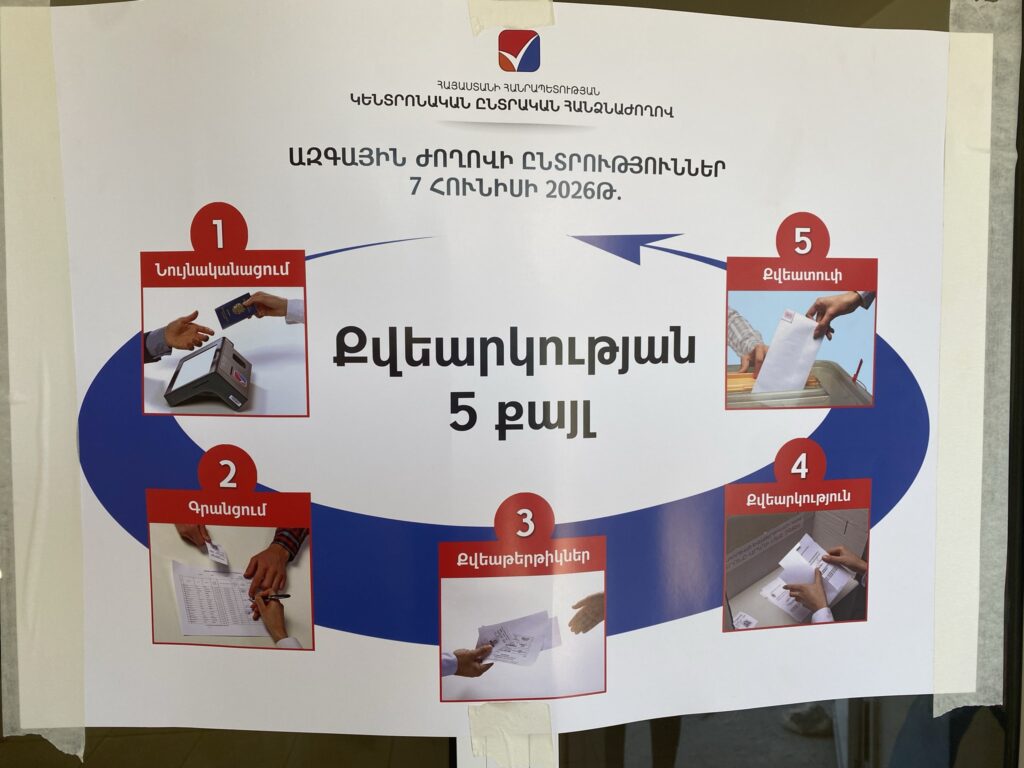
EPDE member Transparency International Action-Corruption Center (TIAC), as part of the Akanates Observation Mission, published a reference note on the observation of the voting day of the parliamentary elections of the Republic of Armenia held on June 7, 2026.
Within the framework of the mission, 712 observers were engaged, monitoring the voting process across the entire territory of Armenia. A total of 520 observers followed the full-day voting process in 260 polling stations. The observation was carried out using a random sampling methodology, which enables the assessment of the quality of election-day processes through statistical methods. Although the observation covered only a small proportion of polling stations nationwide 13%, he sample-based methodology allows for drawing conclusions about the electoral process at the national level.
The Akanates Observation Mission was established in August 2018. Its founding members are the Transparency International Anti-Corruption Center and the Law Development and Protection Foundation. The mission aims to contribute to the conduct of free and fair elections in accordance with the legislation of the Republic of Armenia and international standards, as well as to promote the integrity of electoral processes and public oversight thereof.
The 2026 parliamentary election observation mission is implemented with the financial support of the European Union, the Transatlantic Foundation of the German Marshall Fund of the United States (GMF TF), the Embassy of Norway, the National Endowment for Democracy, the European Endowment for Democracy, and the Democracy Development Fund. The content of this document is the responsibility of the Akanates Observation Initiative and does not necessarily reflect the views of the donors.
An English long summary of the report is available on the website of Expert Forum (EFOR).
Monitoring Report: April–May 2026
Authors: Mădălina Voinea (Digital Programs Coordinator, Expert Forum), Vlad Adamescu (Co-Chair, Center for Democracy and Good Governance), Monirul Hassan (Independent Researcher, Computer Science)
In a period of political crisis, Romanian TikTok feeds have become an information battlefield. The researchers analysed 23,599 viral political videos from the beginning of the year. Of these, in the period 1 April – 11 May 2026 alone, the monitored videos generated 101.9 million views, 829,000 shares, and 68,400 comments. 52% of comments were identical messages. Of the 267,799 followers of the accounts that produced this content, 53.1% were empty accounts with no videos posted. Are we talking about real people, concerned citizens, patriots? Our data suggests the continuous presence of amplification networks that artificially keep the conversation at peak levels precisely at the moments when the public is most vulnerable. We ask ourselves in this context how we can determine who came first — the inauthentic accounts or the genuine supporters? More importantly, who is accountable in a democracy for the manipulation of information reaching citizens?
Beyond platform obligations, responding to information pollution requires action at the societal level. In this report, the authors propose three complementary directions:
44 political parties submitted information on their 2025 annual revenues and expenditures to the Anti-Corruption Bureau, although only 25 of them reported financial turnover. Twenty-one political associations reported no revenues during the reporting period, while 19 reported no expenditures.
EPDE member ISFED presents an analysis of the finances of Georgia’s political parties in 2025.
– The total revenues of political parties in 2025 amounted to approximately GEL 49 million. Georgian Dream received more revenue (GEL 26.5 million) than all other political parties combined (GEL 22.5 million).
– A total of GEL 8.9 million was allocated from the state budget to finance six political parties, of which 68% was allocated to the Georgian Dream. By the end of the year, the number of parties receiving state funding had further decreased.
– In 2025, 21 political parties received donations. The total amount of donations exceeded GEL 27 million. 67% of donations were received by Georgian Dream.
– Total cash-based expenditures of political parties in 2025 exceeded GEL 46 million. Of this amount, GEL 23.8 million (52%) was spent by the Georgian Dream.
– The majority of expenditures were allocated to advertising (GEL 13.9 million), remuneration (GEL 5.4 million), rent (GEL 4.3 million), and capital expenditures (GEL 9.4 million). Significant expenditure categories also included consulting, notary, interpretation, and translation services (GEL 2.8 million), as well as office expenses (GEL 1.9 million).
Data from monitoring carried out by the Promo-LEX Association from 2018 to the present has
demonstrated not only that hate speech is a frequent phenomenon in the Republic of Moldova,
but also that the process of prevention and combating it has required legislative changes, and
after 2022 requires the streamlining of the reporting – documentation – sanctioning cycle.
As we highlighted in the latest hate speech monitoring report, this type of speech is increasingly
being used in combination with manipulative messages and disinformation generated by both
real people and algorithms. In the period between the 2024 presidential elections and the start
of the election campaign for the 2025 parliamentary elections (September 2024 – August 2025),
a process of normalisation of hate speech took place, and the autumn 2025 election campaign
began in a public and online space already steeped in hate, intolerance and misinformation.
Data from monitoring carried out by the Promo-LEX Association since 2018 shows that the
authorities’ response to hate speech is insufficient compared to the number of cases identified by
civil society. Despite the actions taken by the General Police Inspectorate (GPI), the Audiovisual
Council (AC) and other institutions, the number of complaints is declining. This is why research
into public perceptions of hate speech during last autumn’s parliamentary elections provides an
important basis for analysing and evaluating the actions taken and those planned to prevent and
combat hate speech both during and outside election periods.
This analysis was carried out based on data from the sociological study ‘Citizens’
perceptions of the quality of elections and the functioning of democratic processes in the
Republic of Moldova’.
The report is also available in Romanian and Russian.
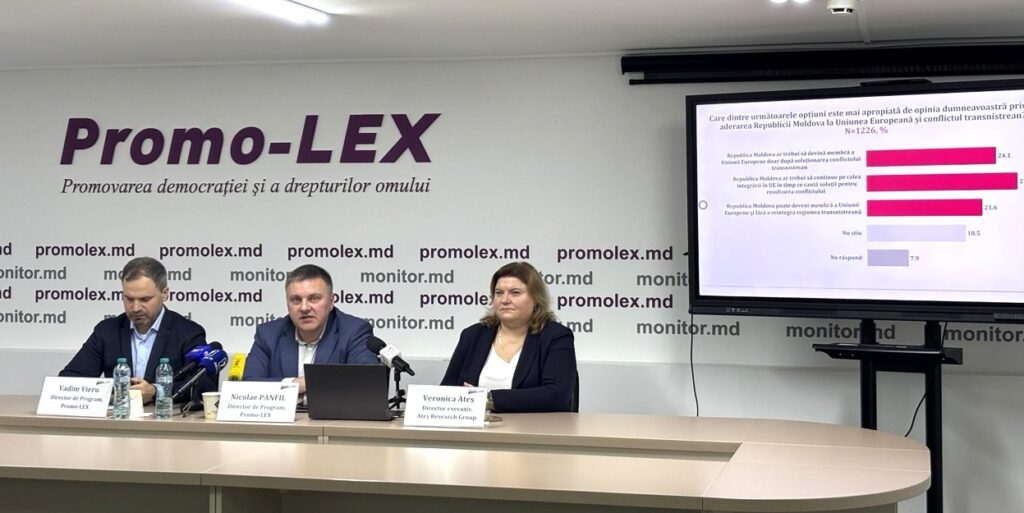
This study by the Promo-LEX Association provides a broad picture of electoral processes, the functioning of democratic institutions and respect for human rights, including in the Transnistrian region.
The results of the study reveal that citizens’ interest in socio-political life is variable: 33.9% of respondents declare themselves quite interested, and 19.9% very interested, while 23.1% are not very interested and 8.6% not at all interested. Another 20.9% have a neutral position. At the same time, perceptions regarding the direction of the country’s development and the ability of citizens to influence public decisions remain divided, with a significant part considering that their influence is limited. About 90% of respondents claim that they had the opportunity to choose freely, which indicates a generally positive perception of the electoral process.
For future elections, citizens believe that more measures should be taken to ensure their fairness. Specifically: combating voter corruption (47.9%), protecting elections from foreign influences (34.4%), and combating disinformation in electoral campaigns (33.7%).
Perceptions regarding the free and fair nature of the elections are divided (almost 43% — to a very large extent/to a large extent, and over 51% — to a small extent/to a very small extent), and the data show that a significant number of respondents (59.9%) believe that there were at least some irregularities or violations of electoral legislation. These are perceived to have occurred both at the national level and in the polling stations in the diaspora. Respondents also assessed differently the way in which the authorities handled these situations.
At the same time, most respondents are aware of election monitoring by non-governmental organizations and believe that it contributes to reducing violations and increasing the transparency of the electoral process.
The sociological study data also shows that, in the parliamentary elections of September 28, 2025, 24.3% of respondents declare that they did not vote, and over 75% did. Among the reasons for non-participation are lack of interest (19.3%), distrust in politicians/parties (12.9%), electoral apathy (10.1%) and other personal circumstances, including reasons such as work schedule (1.4%), religious reasons (1.3%) or family responsibilities (0.9%).
Mass media and social networks were important sources of information during the electoral campaign. “The results show that social networks are one of the main sources of information: 37% of respondents use them often, and 18% – very often. At the same time, 25% do not use them at all, and approximately 20% – rarely. Television remains, however, an important source of information. Approximately 45% of respondents stated that they get information often or very often from television. However, approximately 25–26% mentioned that they do not get information from this source at all, and others use it rarely. In the case of news sites, the use is more fragmented: 33% of respondents do not use them at all, 25% access them rarely, while 30% use them often and 18% very often”, mentioned Veronica Ateș, Executive Director, Ateș Research Group.
Regarding human rights in the Transnistrian region, the collected responses indicate predominantly negative or moderate perceptions regarding their respect (62.3% — not at all/to a small extent/to some extent). Approximately half of the respondents believe that the authorities of the Republic of Moldova do not make sufficient efforts to protect the rights of people in the region. At the same time, responsibility is attributed to several actors, including the constitutional authorities (31.2%) and the de facto administration in Tiraspol (33.7%).
“The citizens of the Republic of Moldova are sending a clear message: the settlement process must begin with respect for human rights and the withdrawal of foreign military forces. These are the two pillars on which society wants any solution to be built. Half of the population of the Republic of Moldova believes that the Government is not doing enough to protect the rights of citizens on the left bank of the Nistru River. This is a matter of credibility and concrete action. Citizens demand more – not just declarations, but visible results,” said Vadim Vieru, Program Director (Human Rights), Promo-LEX.
Perceptions of governance indicate a variable level of trust in institutions. The top three institutions in which citizens trust are: the church (52.5%), the local government (46.2%), and the Presidency (34.1%). At the opposite end are political parties, the prosecutor’s office, and the courts. Non-governmental organizations are in the middle of the list of citizens’ trust (24.3%). The data also show that interest in the work of the Parliament is moderate, and a significant part of the respondents consider that the topics discussed in the Parliament are only slightly or not at all close to the real problems of citizens (66.8%). Also, the assessment of the relationship between the parliamentary majority and the opposition indicates critical perceptions regarding the level of cooperation and political dialogue.
Regarding priorities for the coming years, respondents specifically indicated: increasing salaries and pensions (72.1%), developing the economy (61.4%), and combating corruption (56.1%). Resolving the Transnistrian conflict, integration into the European Union, and administrative-territorial reform are at the bottom of the ranking, which shows the need for broader communication of the reforms and government priorities regarding them.
The presentation of the results of the sociological study can be accessed in Romanian and English.
The sociological study “Citizens’ Perceptions on the Quality of Elections and the Functioning of Democratic Processes in the Republic of Moldova” is developed within the project “Democracy in Action: Strengthening Electoral Integrity, Political Accountability and Civic Participation”, implemented by the Promo-LEX Association, with the support of the Government of the United Kingdom of Great Britain and Northern Ireland and Sweden.
The protection of personal data in the electoral process in the Republic of Moldova remains a vulnerable area, according to a report by EPDE member Promo-LEX Association. The report highlights risks that could affect both election integrity and citizens’ rights, particularly in the context of the 2024–2025 electoral cycles and ongoing alignment with European standards.
The study examines the practices of parliamentary political parties, the Central Electoral Commission (CEC), and the National Center for Personal Data Protection (Centrul Naţional pentru Protecţia Datelor cu Caracter Personal al Republica Moldova – CNPDCP). It identifies documented cases of large-scale data misuse, including transfers abroad and the use of digital tools to collect personal data, while noting that institutions are insufficiently prepared to prevent such risks.
Significant shortcomings were found among political parties, including weak legal compliance, poor understanding of data protection principles, and problematic practices such as unclear privacy policies and informal data storage. While the CEC has taken steps to improve data security, it has not conducted required impact assessments. The NCPDP, meanwhile, is described as largely reactive, with limited proactive oversight and slow case handling.
Overall, the study points to a gap between the scale of risks and institutional preparedness. Although the legal framework is being aligned with EU standards, implementation remains weak.
Promo-LEX recommends strengthening institutional capacities, improving transparency, conducting impact assessments, and focusing on prevention. Political parties are urged to adopt clear data protection rules and appoint data protection officers, while closer cooperation between the CEC and CNPDCP is also advised. Parliament is called on to clarify legislation and enhance oversight mechanisms.
The report is also available in Romanian.

EPDE member Helsinki Citizens’ Assembly Vanadzor and International Partnership for Human Rights (IPHR) issued a new policy brief analysing the growing threat of foreign influence operations in Armenia and outlining measures to strengthen democratic resilience ahead of the June 2026 parliamentary elections and beyond. It argues that while immediate electoral safeguards are necessary, Armenia must adopt a long-term, institutional approach to counter an increasingly complex and systemic challenge.
Foreign influence operations in Armenia—primarily driven by Russia—have evolved beyond disinformation into multi-layered strategies including illicit political financing, cyberattacks, economic coercion, and the manipulation of electoral processes. These activities are aimed not only at shaping public opinion but at preserving long-term geopolitical influence over the country.
As Armenia expands cooperation with Western partners, it faces intensified interference efforts that exploit structural vulnerabilities, including economic dependencies, energy reliance, and institutional gaps. Elections provide a particularly fertile environment for such operations, but the threat itself is continuous and adaptive.
While Armenia has an existing legal and regulatory framework relevant to countering interference, enforcement remains inconsistent and under-resourced. At the same time, current mechanisms are not fully equipped to address covert, coordinated, and cross-border forms of influence that often operate below traditional legal thresholds.
This brief emphasises that effective responses should focus on strengthening institutional capacity, enhancing political finance transparency, improving interagency coordination, and fostering structured cooperation with civil society and international partners—while safeguarding democratic freedoms and avoiding disproportionate restrictions on civic space.
Authors provide recommendations to the Government of Armenia, to Armenian Civil Society, and to the European Union and International Partners in this sense.
The Global Network for Domestic Election Monitors (GNDEM) is proud to release the first ever “Report on the Global State of Nonpartisan Citizen Election Observers’ Rights.” This study, conducted in partnership with the National Democratic Institute (NDI), draws on the experiences and lessons shared by nonpartisan citizen election monitoring groups worldwide. This research is the first study to document and highlight the global status of nonpartisan citizen observer rights, along with the lessons learned and the concerted efforts needed to ensure that the rights of citizen observers are respected, protected, and promoted.
While ad hoc efforts have previously been made to track enabling conditions for nonpartisan citizen observation and violations of citizen observer rights, there has not yet been comprehensive research on the topic until now. The report looks at five broad areas affecting the ability of citizen observers to monitor elections: 1) legal recognition as well as legal barriers; 2) procedural and operational barriers; 3) violence, intimidation and coercion against citizen observers; 4) freedom of movement, information and expression; and 5) freedom of association. The findings of this report were drawn from a structured survey with 66 organizations from 53 countries participating, covering every region in the world, and supplemented by 11 key informant interviews of observation experts, civil society leaders and human rights defenders.
Unfortunately this report comes at challenging times and confirms that nonpartisan citizen election observers are facing new and more extreme efforts to derail their work than ever before. Findings from the report reveal that election monitoring organizations are experiencing heightened levels of violence, intimidation and harassment, often sponsored by the state – including the recent arrest and detention of GNDEM’s chair. The survey also investigates how accreditation procedures have been used across the globe to undermine the rights of nonpartisan citizen observers.
The mission and dedication of nonpartisan citizen election observers – increasingly recognized as ‘specialized human rights defenders’ – will continue despite growing threats. Elections fundamentally belong to citizens and therefore citizens have the right to observe their own election. Citizen observation serves to engage people in democratic life; to make electoral processes more transparent; and to hold not just election management bodies, but candidates and parties accountable. GNDEM hopes that this report is only the first of what will become a series of periodic assessments to identify the trends and tactics used to limit the rights of citizen observers as well as offering insights on how citizen observers (and their allies) can protect and expand their rights.
The elections of municipal bodies in Georgia were held on 4 October 2025 amid a boycott by a significant portion of the major opposition political parties.
Georgian EPDE member ISFED (International Society for Fair Elections and Democracy) analysed the distribution of official election campaign revenues and expenditures for the 2025 municipal elections. The analysis is based on final financial reports submitted to the Anti-Corruption Bureau by political parties participating in the elections and covers the period from 5 August to 15 October 2025.
On September 28, 2025, Moldova conducted parliamentary elections amid one of the most aggressive foreign interference efforts to date. Despite Russian-orchestrated vote-buying networks, cyberattacks, and disinformation at an unprecedented level, the pro-European Party of Action and Solidarity (PAS) retained its parliamentary majority, and the electoral process remained credible, according to international observers, including the OSCE/ODIHR. This outcome presents both a strategic success story and a cautionary case study: defensive democracies can prevail, but at the expense of legal gray zones, controversial exclusions, and unresolved legitimacy tensions that require urgent attention.
In this policy alert, Petru Culeac explains the context, analyses the candidates, threat landscape, and multi-layered defense strategy against the hybrid threats, and provides recommendations for a resilient defensive democracy for Moldova.
Petru Culeac is the co-founder and Executive Director of the Moldova Development Institute, a newly established organization dedicated to improving the social, political, and economic landscape in Moldova. With over 15 years of experience in Moldova’s non-pro!it sector, Petru has an in-depth understanding of the country’s context and its development agenda as well as extensive organizational management experience. Until 2023, Petru served as Executive Director of Soros Foundation Moldova, a renowned non-profit foundation, part of the Open Society Foundations network, recognized as a key civil society actor in the Republic of Moldova. Under Petru’s leadership, the foundation expanded its portfolio and successfully implemented numerous technical assistance projects, including for Moldovan authorities in areas such as anti-corruption, justice reform, elections, and education, as well as emergency response projects at the onset of the COVID-19 pandemic. Previously, Petru worked in areas of democracy promotion, free and fair elections, local development, citizen engagement, and youth activism, successfully cooperating with local and international organizations, such as USAID, Chemonics, East Europe Foundation, and IFC. Petru’s academic background includes degrees in Business Management, and European and International Studies from institutions in Moldova, France, and the United States.
Georgia is scheduled to hold nationwide municipal elections on October 4, 2025. These elections mark the first electoral test since the disputed 2024 parliamentary elections and come at a time of heightened political polarization, ongoing anti-government protests, and considerable democratic backsliding. The ruling Georgian Dream party has significantly altered the legal framework governing elections, as well as the right to assembly and free speech. These changes, made unilaterally and with limited consultation, have raised concerns over fairness, transparency, and political pluralism.
Tamara Sartania provides an overview of Georgia’s 2025 municipal elections, covering changes in the legal framework, election administration, new voting technologies, the shrinking civic space and legal crackdowns, as well as challenges in the political and media landscape.
Tamara Sartania is an independent international consultant, specializing in democratic elections, civil society development, parliamentary and political party strengthening, and women’s political participation. Her work assignments included working as an Election Adviser for OSCE’s Office for Democratic Institutions and Human Rights (ODIHR), where her portfolio included coordinating needs assessment missions and ODIHR’s electoral activities in nine OSCE participating states. In addition, she served as a core team member for several ODIHR election observation missions. As a Deputy Chief of Party for the National Democratic Institute (NDI) Georgia office, Tamara supervised initiatives to support political pluralism in Georgia through capacity building on national and regional levels. She has also worked as a thematic analyst for NDI’s election observation missions to Ethiopia, Ukraine, and Lebanon. Tamara holds a Master of Arts Degree in Law and Diplomacy from The Fletcher School, Tufts University, and a Postgraduate Certificate in Strategic Communications (with Distinction) from King’s College London.

The Promo-LEX Association has presented today Report no. 4 of the Observation Mission for the parliamentary elections of 28 September, covering the period from 11 September to 24 September 2025. The report contains observations and findings regarding the end of the electoral campaign, the behaviour of competitors, and the transparency of campaign financing.
Legal framework. On 25 September, the Central Court of Appeal ordered the restriction of the activity of the PRIM party at the request of the Ministry of Justice. This decision came after the CEC raised suspicions about the party’s illegal financing. Limiting PRIM’s activity has direct consequences for the Patriotic EB, of which it is a part, including the risk of violating the gender quota rule of the Electoral Code if the list of candidates were changed. Since the legislation allows adjustments to the lists only at least 10 days before the elections, the bloc no longer has the legal possibility to correct any defects.
The Promo-LEX OM points out that the unlawful actions of a constituent party should not automatically lead to the cancellation of registration of the entire electoral bloc and recommends applying equal treatment, similar to the one the CEC applied to PPDA. Then, the CEC excluded some persons from the party and obliged the electoral competitor to repair, within 24 hours, the non-conformities related to the mandatory criteria of meeting the gender quota, reserving the right to cancel its registration otherwise. At the same time, Promo-LEX recommends that the future Parliament amend the legislation so that the lists of candidates can be adjusted even closer to the voting day, in justified situations.
Performance of electoral competitors. The electoral campaign for the 2025 parliamentary elections was more intense than the ones for previous elections, being marked by tensions related to Moldova’s status as an EU candidate country and the involvement of the Russian Federation in the electoral process. Electoral competitors carried out 1,984 campaign activities, 50% more than at the beginning of the campaign, mainly distributing informative materials (68%) and meeting with voters (22%). The most active actors were PAS and the Patriotic EB, each with about 26% of the monitored events.
Regarding electoral advertising, Promo-LEX documented 1,754 cases, the most common being the use of visibility materials (vests, hats, bags) and street advertising. Most of such publicity came from PAS, the Patriotic EB, and PN. At the same time, 37 cases of advertising placed in prohibited places were registered, especially on fences and buildings, most of them by PAS and PN. Faults such as the lack of printing data and the use of campaign materials from previous elections were also reported.
Use of administrative resources. Promo-LEX found at least 84 cases of misuse of administrative resources (in 66 cases by PAS, in 8 cases by the Patriotic EB, in 5 cases by the Alternative EB, in 3 cases by CUB, in 1 case each by LOC and PNM). They include taking credit for projects financed with public money, the use of state institutions’ premises for electoral activities, the involvement of mayors and civil servants in the campaign during working hours, as well as the organization of electoral meetings with public sector employees.
The involvement of religious faiths in the electoral campaign was documented in at least six cases, although the law expressly prohibits electoral activism and the use of religious symbols for electoral purposes. Examples include the distribution of messages on Telegram channels calling to vote based on faith, the participation of some candidates in religious services, or the use of images of places of worship in campaign materials. Although the Metropolis of Moldova officially disavowed such practices, journalistic investigations have shown that at the local level the clerics are involved in electoral activities.
During the monitored period, at least three cases of intimidation and provocation with the potential to affect the electoral process were identified. They include the attempt of the authorities of Ceadir Lunga to dismantle a display board critical of the Russian Federation, an incident in Edinet involving a PAS candidate, and the distribution on social networks of messages regarding alleged payments for the vote.
Another phenomenon we found is the involvement of third parties in promoting narratives with an electoral impact. During the monitored period, at least 15 entities carried out such activities, including networks coordinated from the Russian Federation, NGOs, social media pages, and religious channels. They disseminated sponsored or free content, often with a pro-Russian or anti-EU tint, but also messages of support for European integration.
Promo-LEX also observed coordinated inauthentic behaviour on social networks, consisting in the creation of fake accounts, clone websites that artificially amplified narratives meant to compromise the electoral process. Examples are campaigns on TikTok with AI-generated videos, pages that distributed fake messages about polling stations or falsified ballot papers.
Financing of the electoral campaign. Between 8 and 21 September 2025, the declared income totalled about MDL 23.8 million, coming mainly from donations of individuals (67%), legal entities (16%), and material donations (10%). The most income was declared by PAS, Patriotic EB, PN, and Alternative EB, which together accounted for 80% of the total. Material donations came mostly from services and works, Patriotic EB being a leader in this chapter.
The expenses declared in the same period amounted to about MDL 23 million, with 78% concentrated in four competitors (PAS, Patriotic EB, Alternative EB, and PN). The main destination was electoral advertising: TV and radio spots (44%), promotional materials (22%), online advertising (10%), and advertising on social networks (7%).
Civic monitoring carried out by Promo-LEX identified unreported expenses of at least MDL 693,243, especially for advertising on social networks (72%), transportation (14%), trips abroad (7%), and rewards for activists (4%). The largest discrepancies were estimated for PAS (43% of the total), followed by PPDA (12%), LOC (10%), and UCSM (7%).
Electoral bodies. During the monitoring period, the Central Electoral Commission held 10 meetings and adopted 126 decisions concerning the parliamentary elections. However, the last-minute decision on the relocation of five polling stations for voters from the left bank of the Dniester raised concerns about the limitation of access to voting. Although the CEC invoked the security risks reported by the General Police Inspectorate, the Security and Intelligence Service, and the Bureau for Reintegration Policies, the Promo-LEX OM found this decision extraordinary, having an impact on the exercise of constitutional rights. Reserve locations were preliminarily established for six other polling stations.
The process of accreditation of observers and journalists has seen a significant increase compared to previous elections, with nearly 3,000 observers and 111 journalists confirmed. In parallel, 16 opinion polls were authorized, but the phenomenon of unauthorized polls remained present, with examples such as the one attributed to AtlasIntel. At the level of electoral councils and bureaus, Promo-LEX observers found both compliance with working hours and significant deficiencies, such as lack of members in PEBs, non-compliance with incompatibilities by certain members, and cases of electoral corruption. In addition, only 35% of the visited polling stations were accessible to people with special needs.
Hate speech. Between 5 and 18 September 2025, at least 72 cases of hate speech were documented, 62 of them in an electoral context, viewed by more than 2.6 million people. They were based on criteria such as political affiliation, opinion, sexual orientation, gender identity, ethnicity, health, sex, and gender. Hate speech was generated by politicians and electoral competitors, as well as by supporters and opinion leaders. Identified hate speech took the form of incitement to discrimination and violence against LGBT people, Roma, women, or politicians, as well as sexist, xenophobic, and racist messages that reinforced stereotypes and prejudice.
Homophobic speeches were generated by candidates Constantin Cojocari and Ion Ceban, messages that promoted prejudices and stereotypes regarding Roma people were launched by Renato Usatîi, and sexist and xenophobic messages were generated by Victoria Furtună. During the monitoring period, we also identified messages of incitement to violence against politicians, electoral candidates, and their supporters generated by opinion leaders and activists. The stigmatization of some groups of people based on political opinion was further used for electoral mobilization. Hate speech has harmed the dignity and rights of many social groups and damaged social cohesion.
The full report is available in Romanian here.
The Mission is financially supported by Sweden, the Government of the United Kingdom of Great Britain and Northern Ireland, the European Union, the French Embassy, and the Council of Europe, under the aegis of the Civic Coalition for Free and Fair Elections.
The opinions expressed in the public press releases of the Promo-LEX OM belong to the authors and do not necessarily reflect the point of view of financiers or partners. The content hereof may be subject to editorial revisions.
For more information:
Dumitrița Ciuvaga
Communication Officer
Promo-LEX Association
Tel: +373 68 800 827
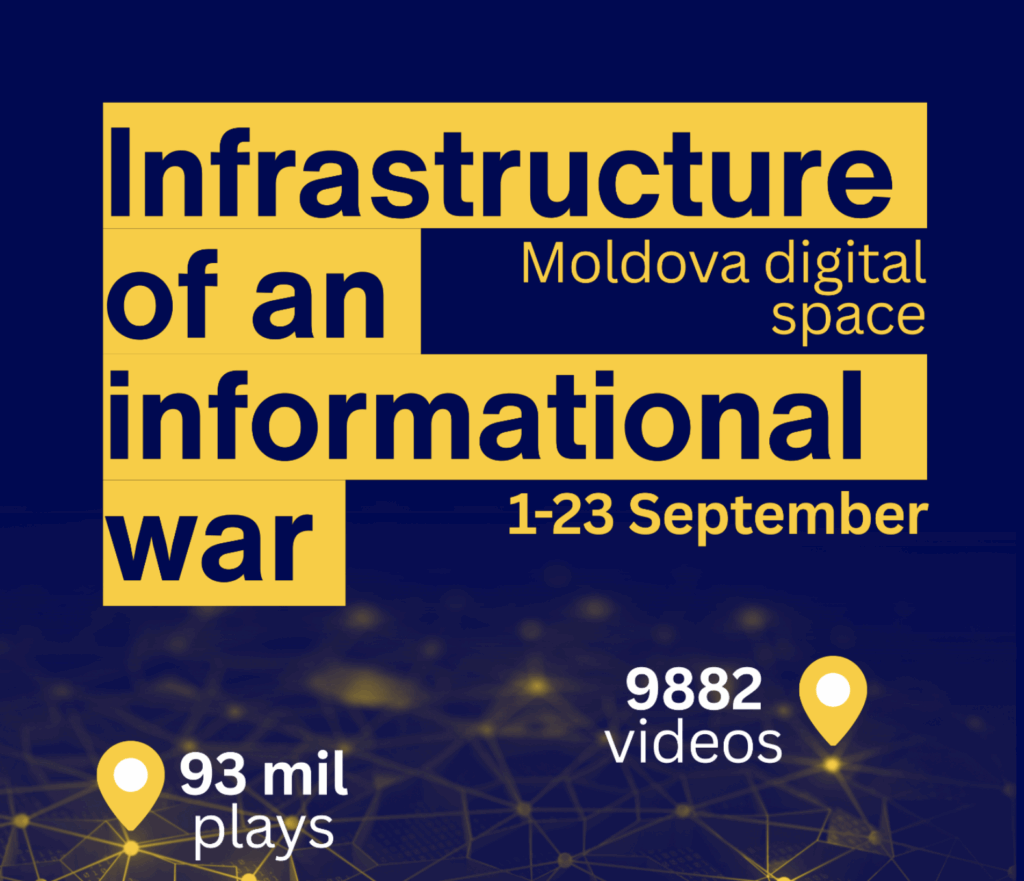
Between September 1 and 23, the networks monitored in the Republic of Moldova generated 9,882 videos, which accumulated 93.1 million views on the TikTok platform. We are talking about a huge flow of mass-distributed content: over 204,000 shares and 1.5 million likes. In a country with only 2.3 million citizens, these figures indicate a propaganda machine operating at full capacity, flooding the digital space of Moldovans 24/7.
A recurring technique we have noticed is that of flooding the information flow on a certain topic in order to cover up any other type of discourse. This often means that volume replaces the complexity or quality of the messages/videos created. The messages are repetitive, designed to fix the same narratives and conspiracies in the minds of the public, but that does not make them any less effective.
In the Republic of Moldova, however, we observe a distinctive element: a much higher proportion of content generated with artificial intelligence, compared to what we monitored in Romania. Between September 1 and 23, we monitored 93 accounts specializing in producing manipulative AI content, directed almost exclusively against Maia Sandu and the Action and Solidarity Party (PAS), accounts that we also discussed in a separate investigation.
Subscribe to our
newsletter
Sign up for our monthly newsletter
and receive the latest EPDE news
Subscribe to our
newsletter
Sign up for our monthly newsletter and receive the latest EPDE news