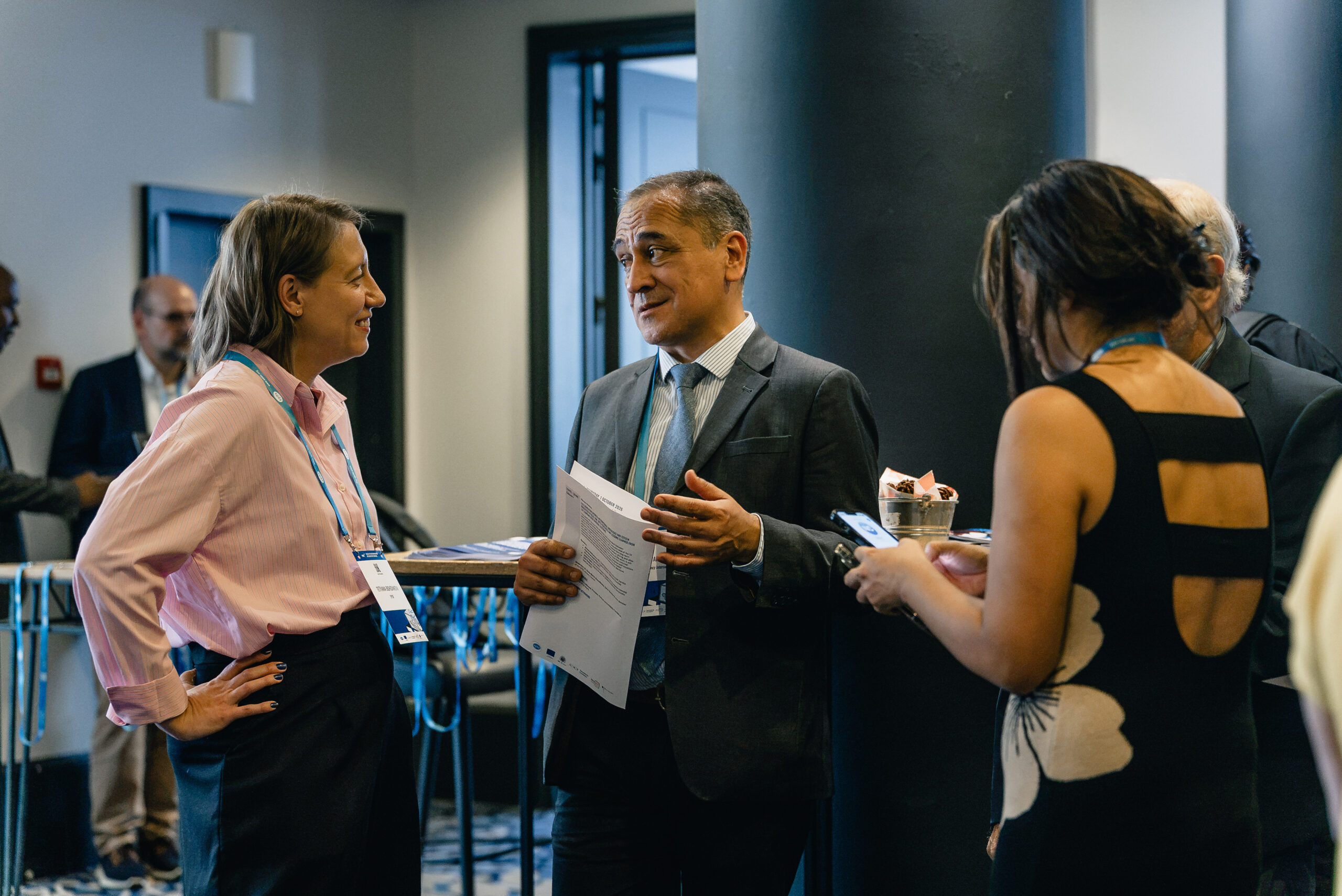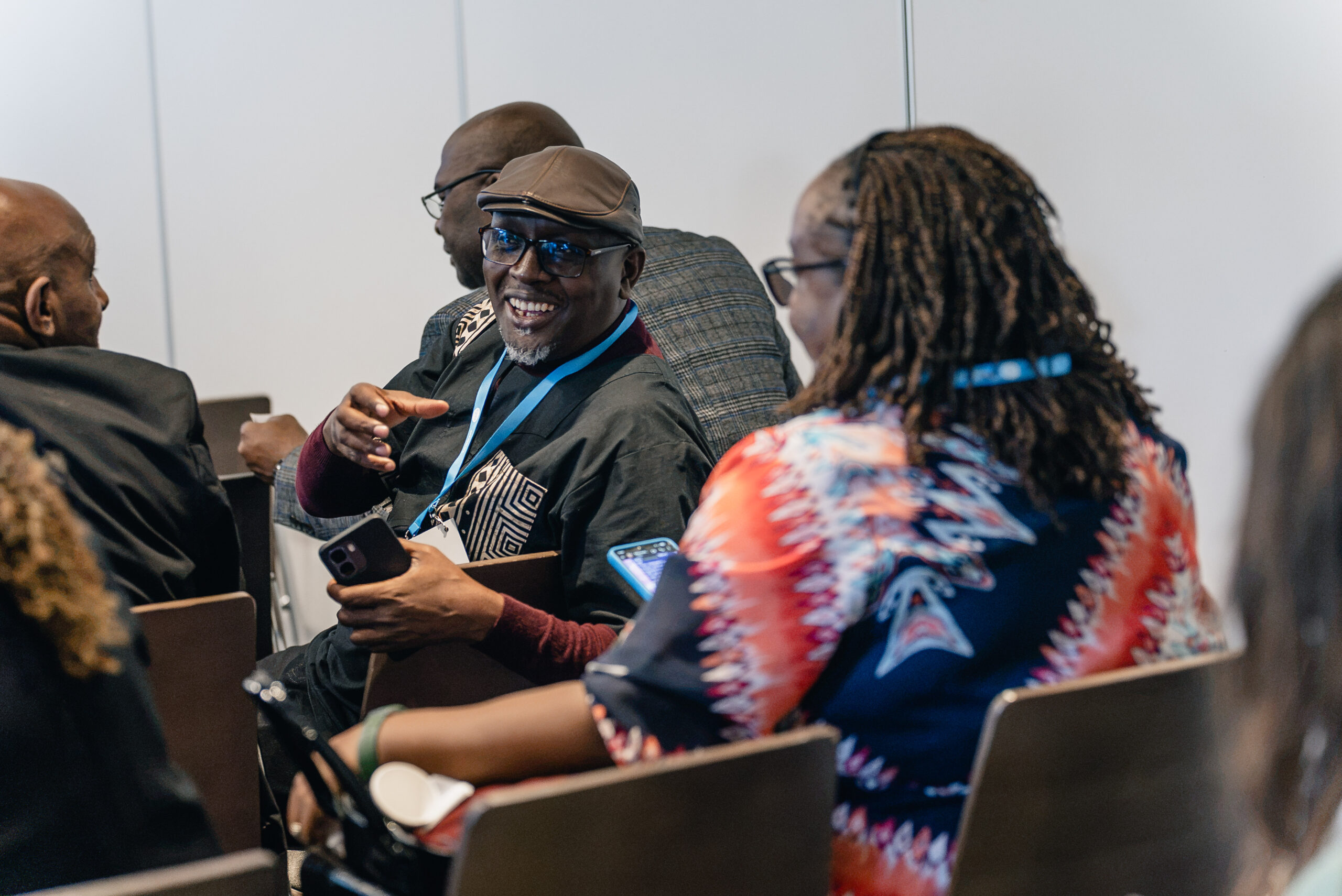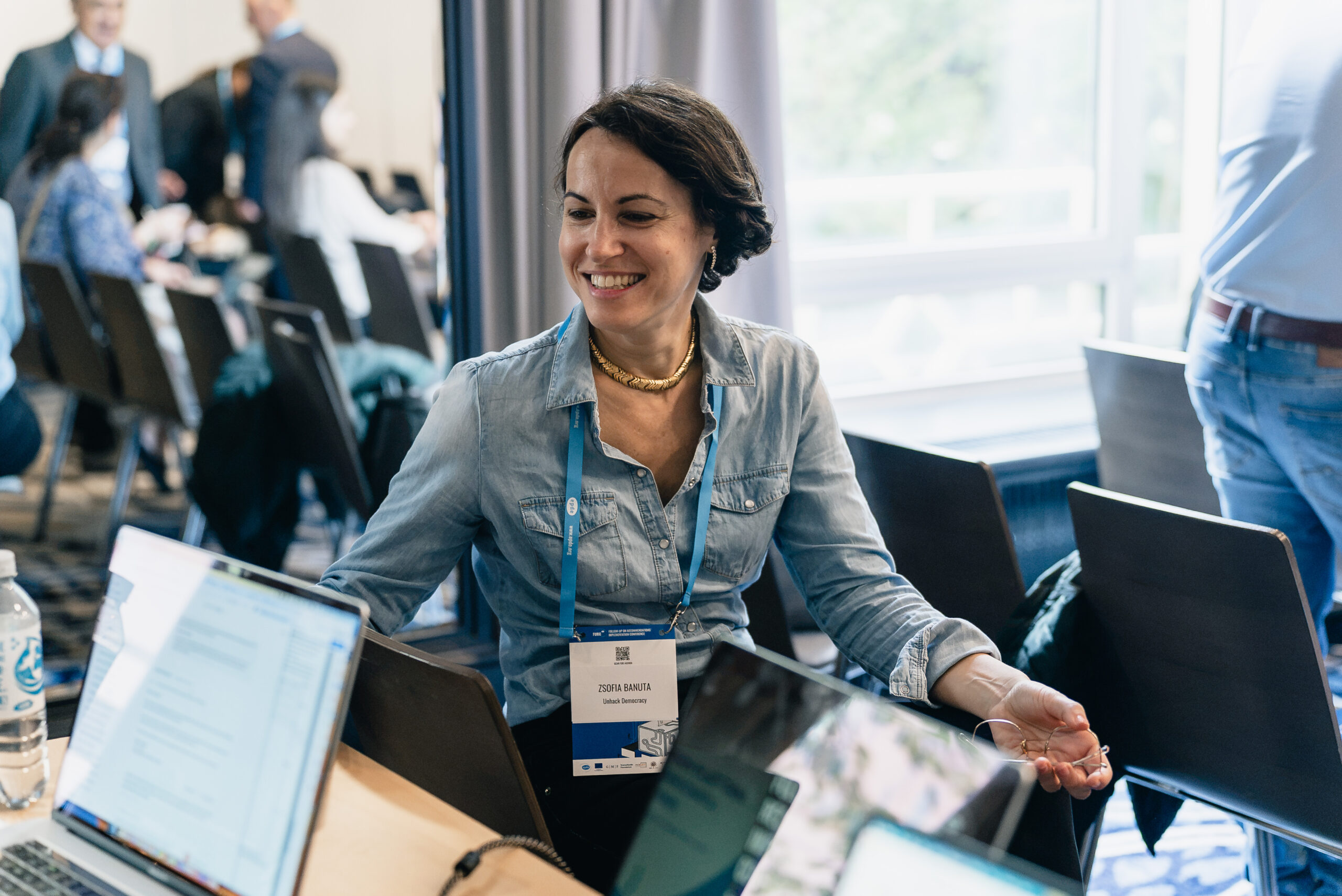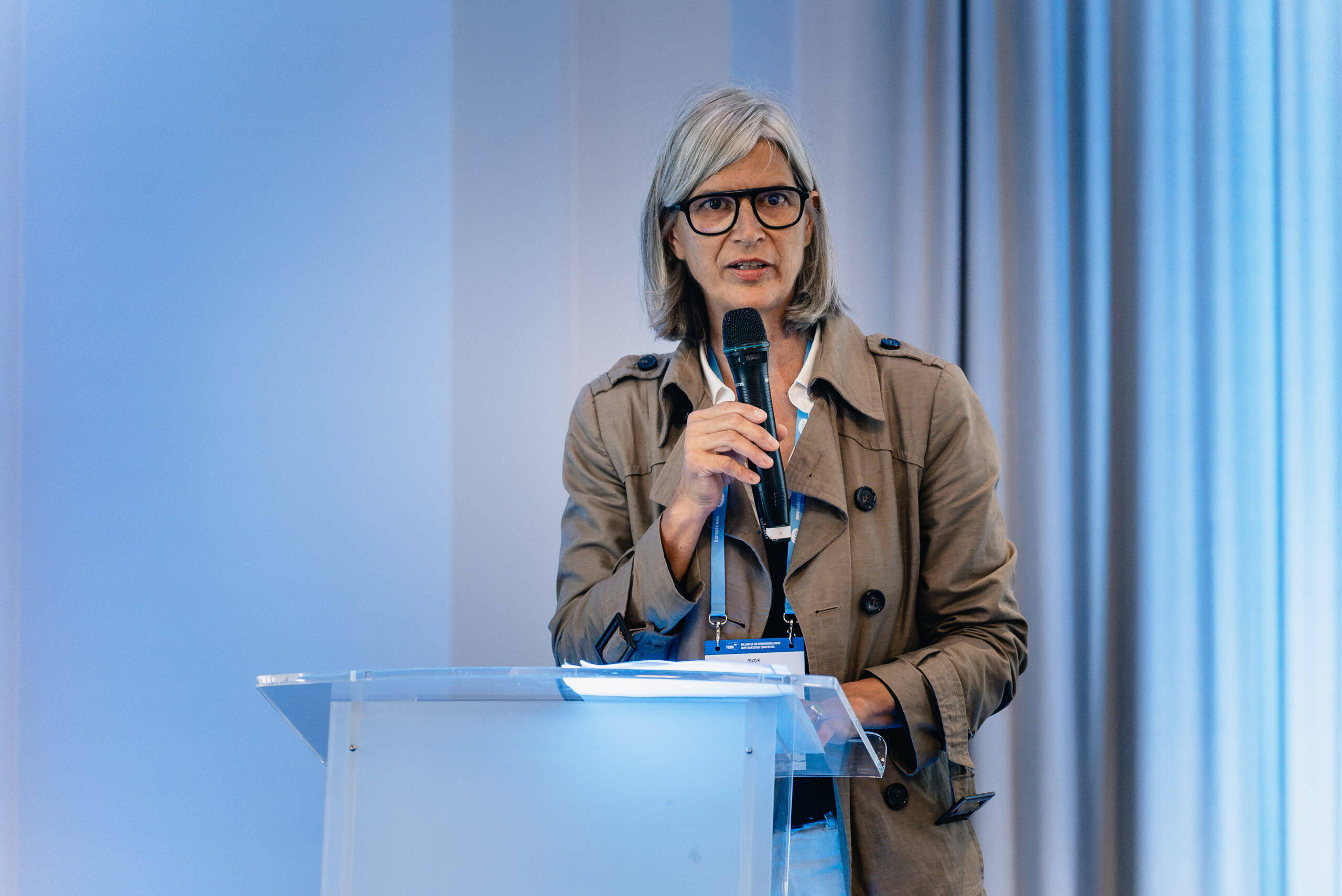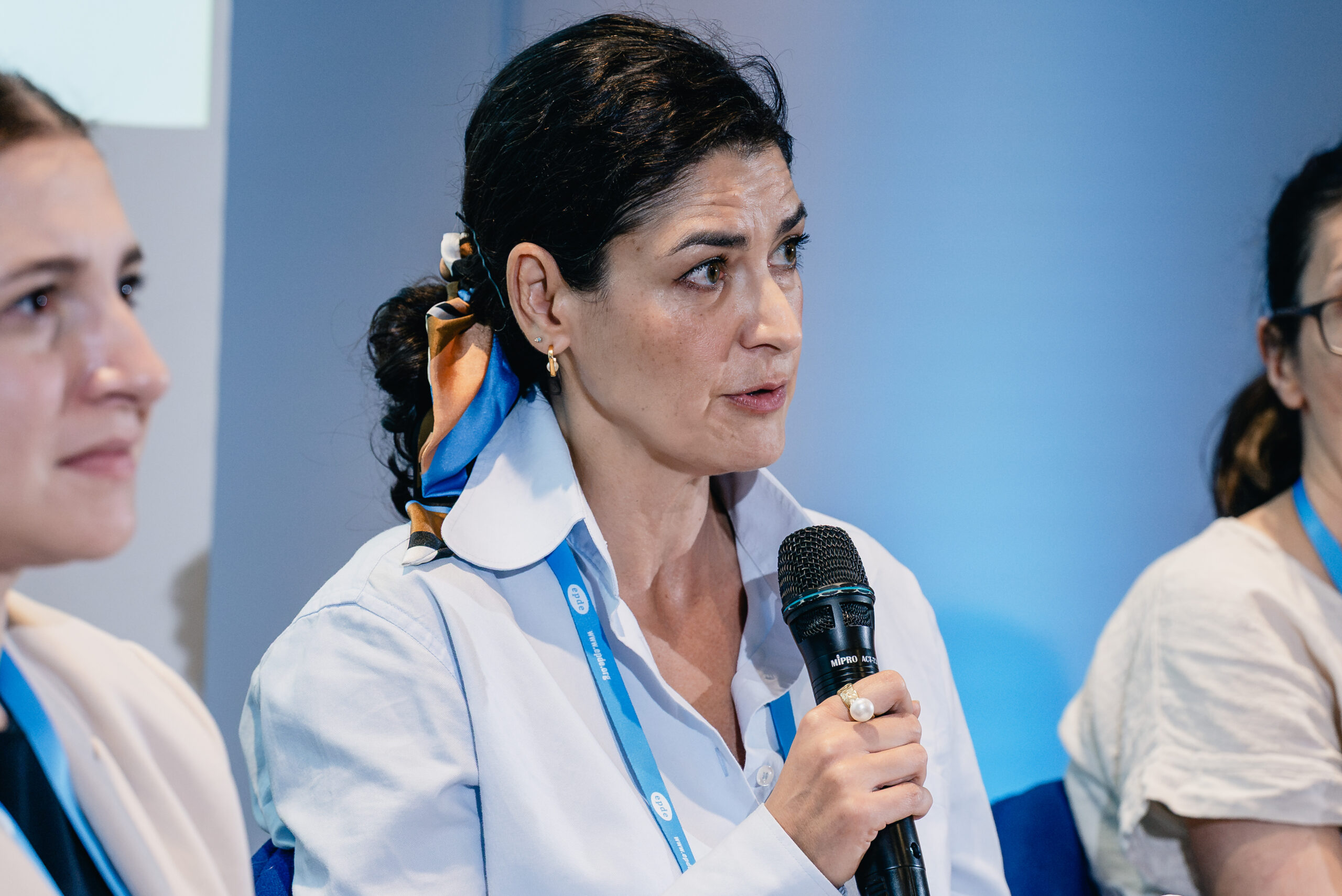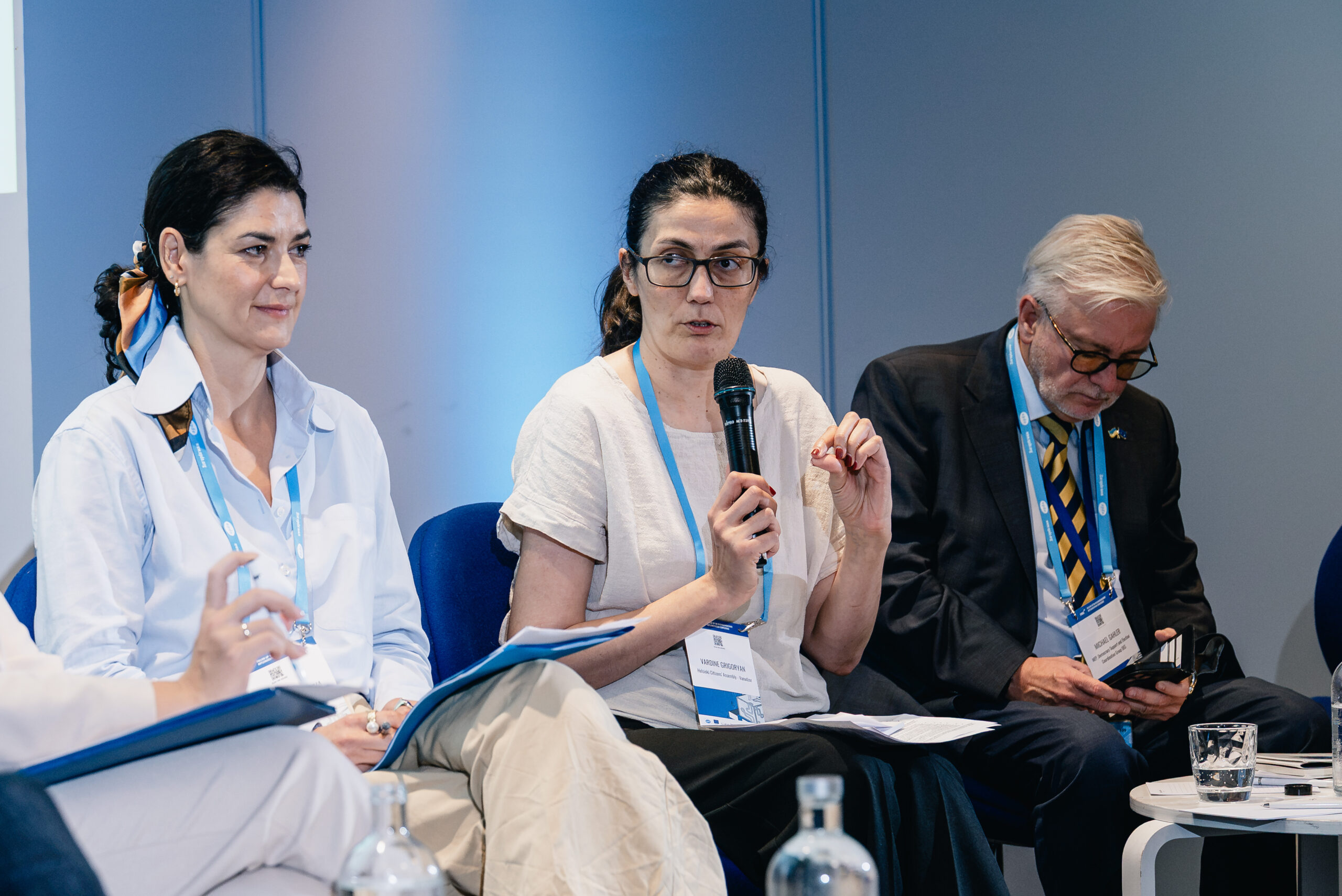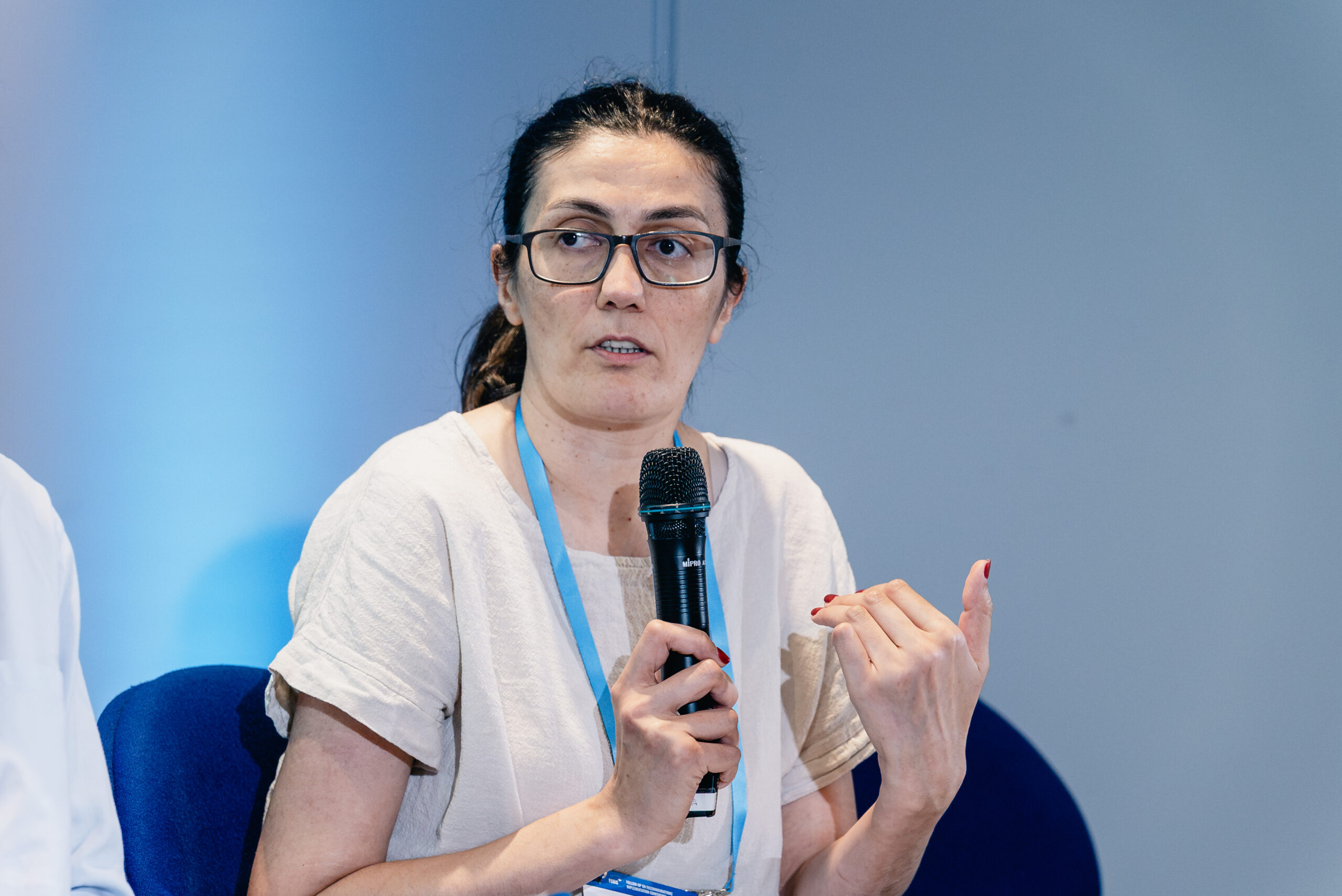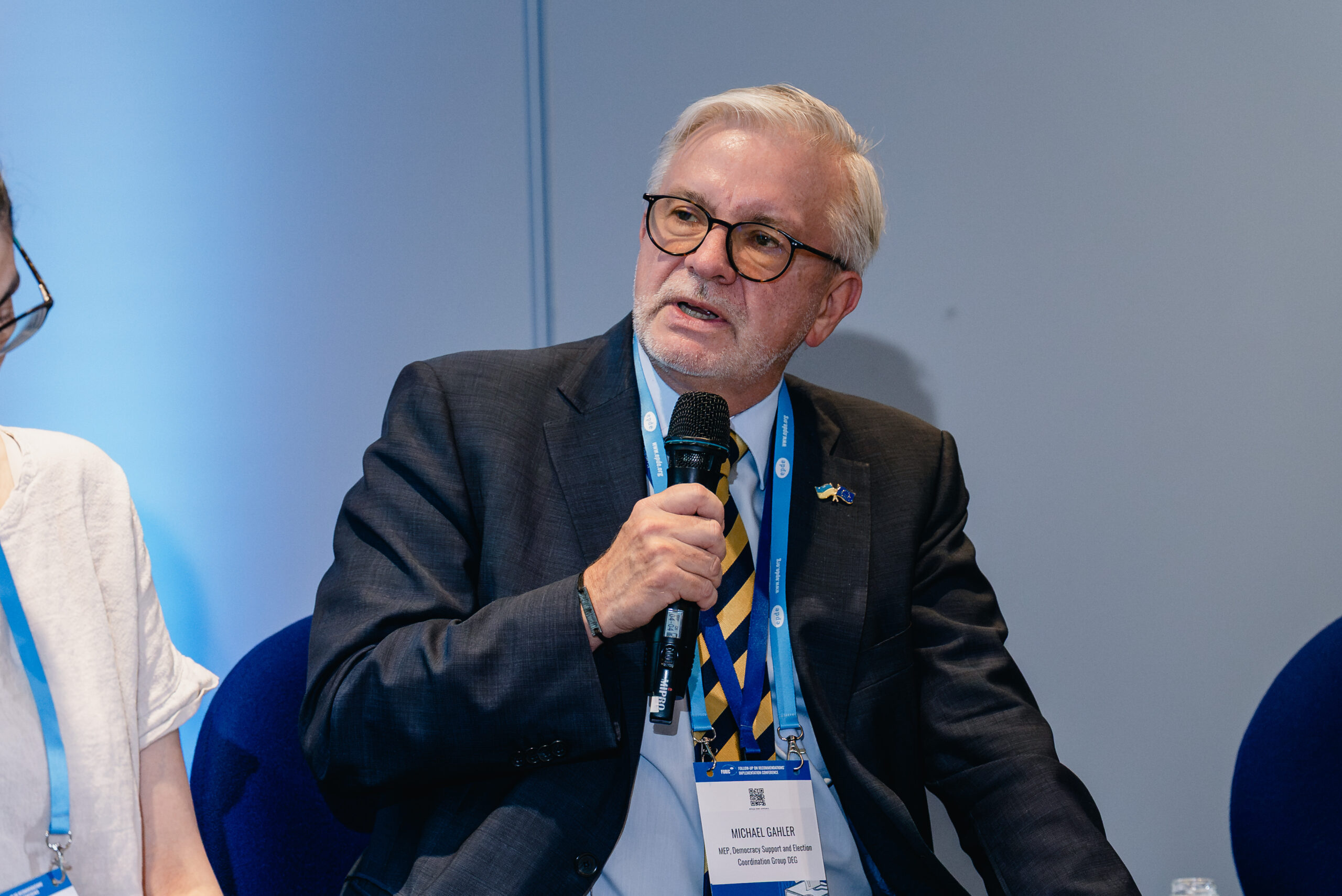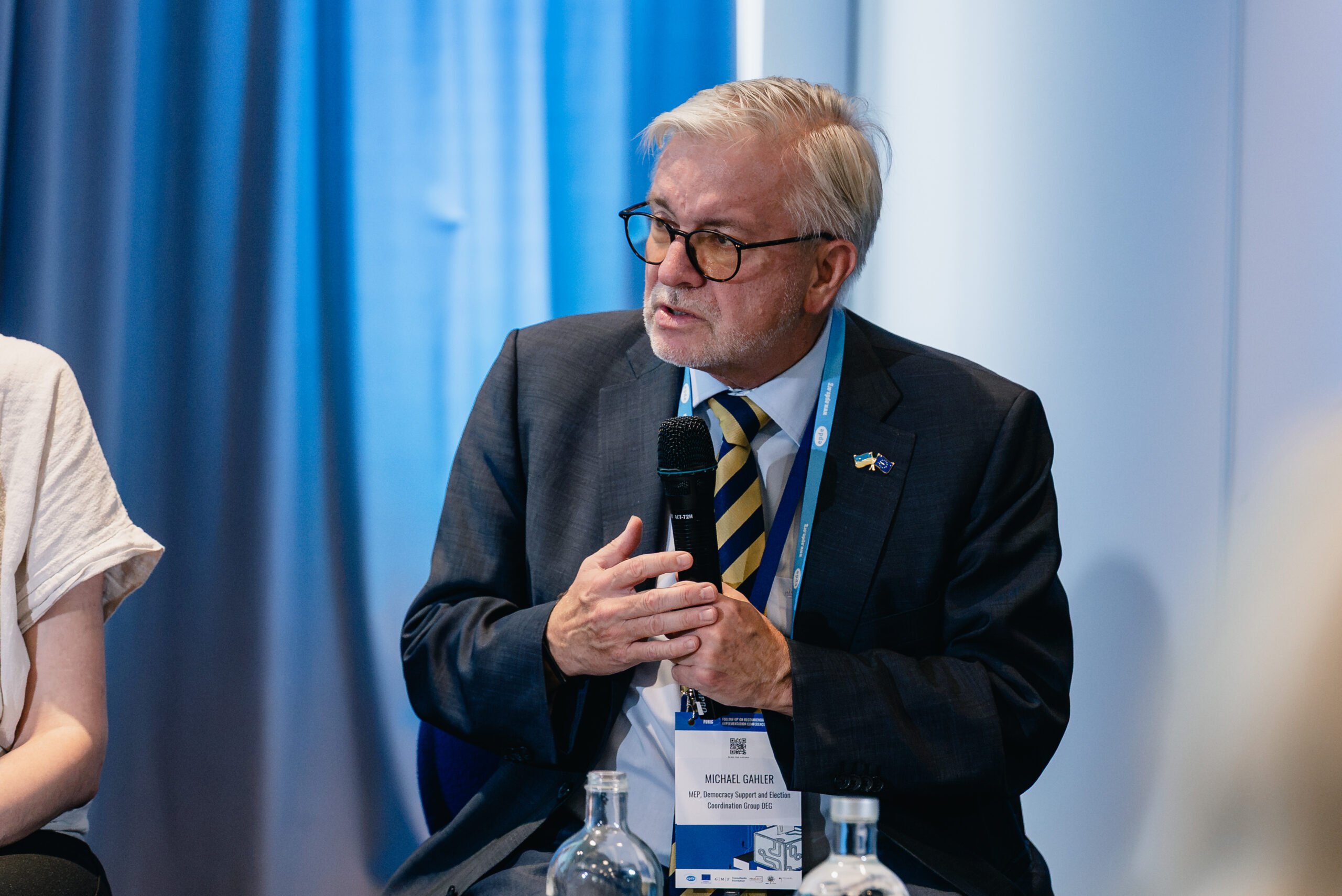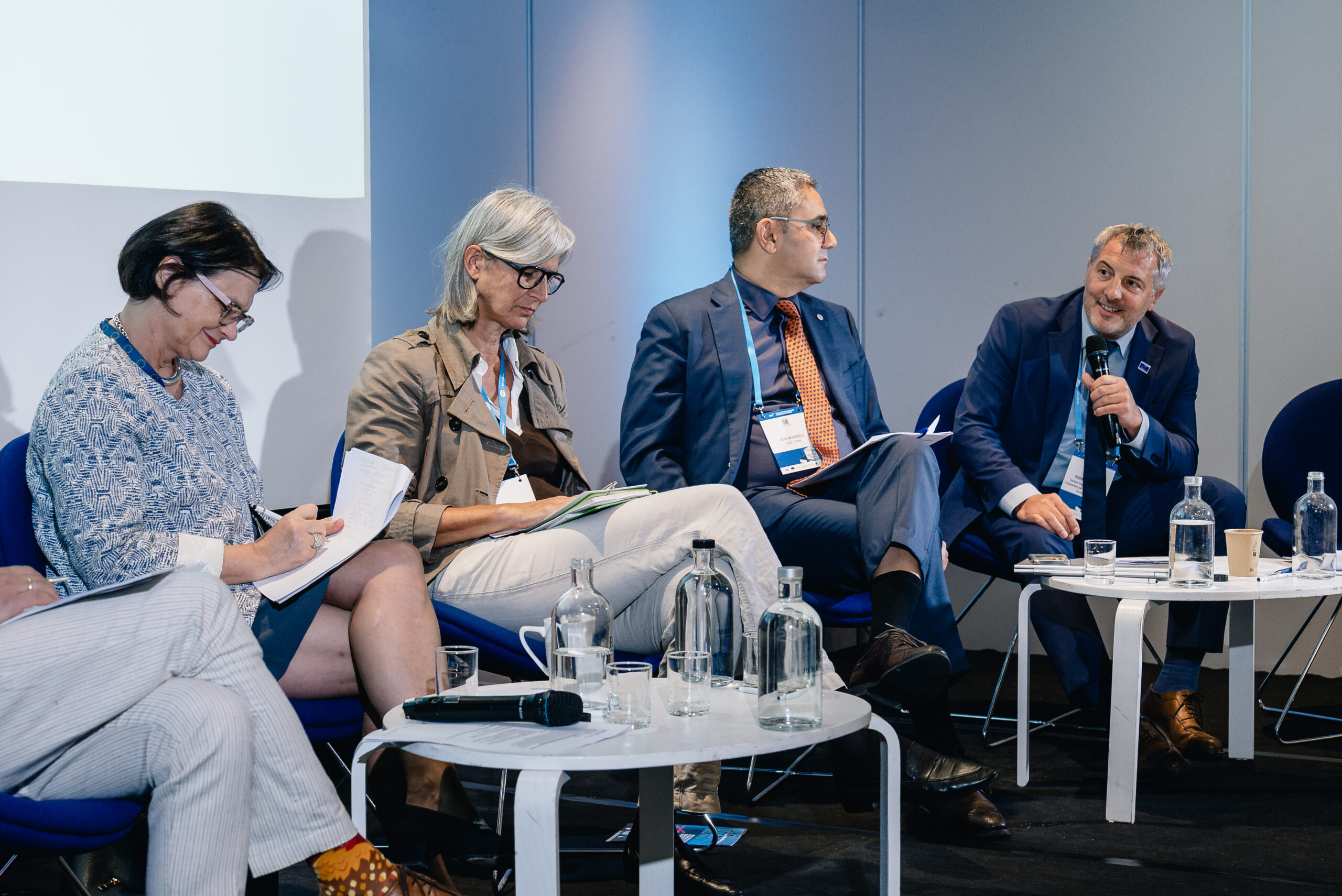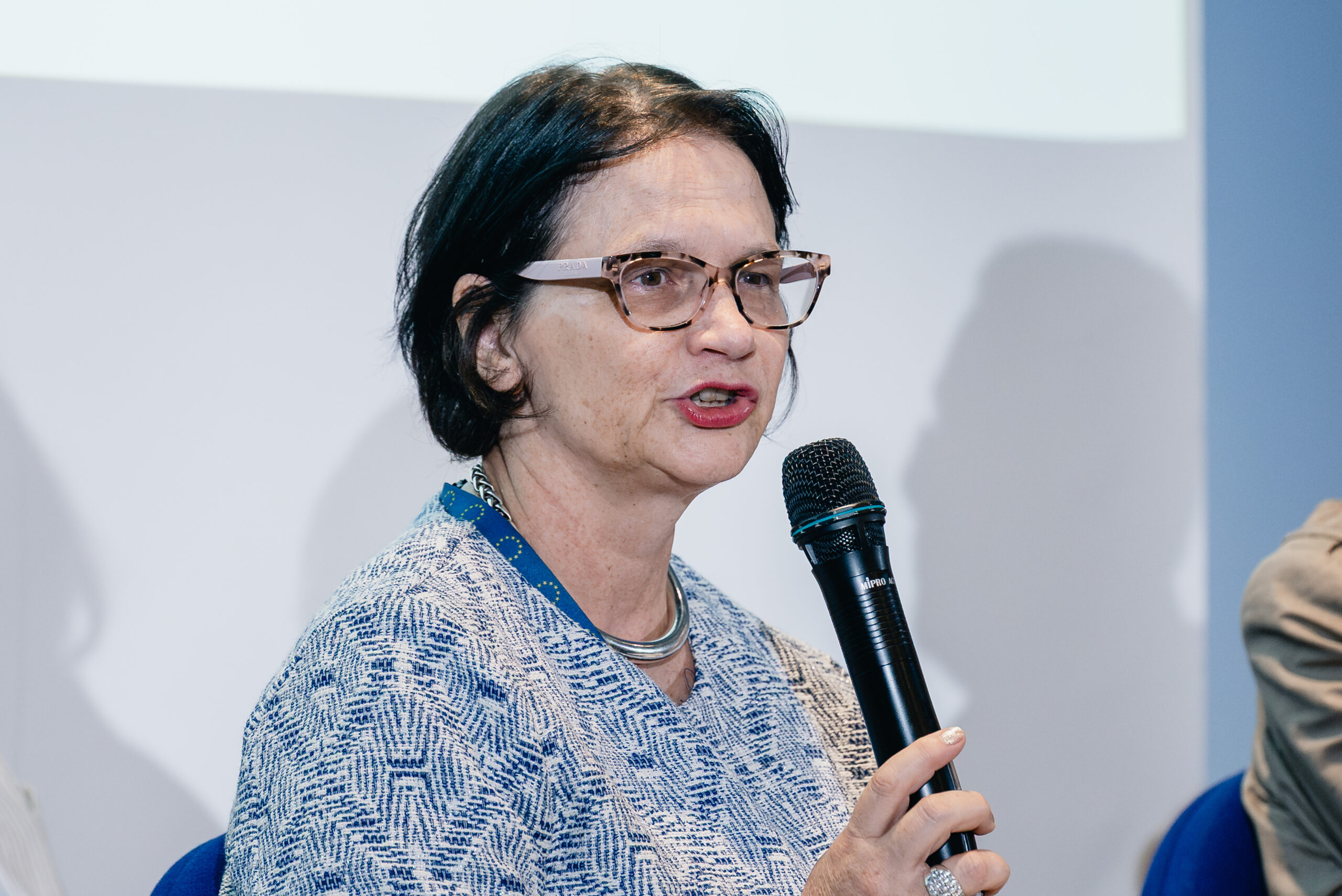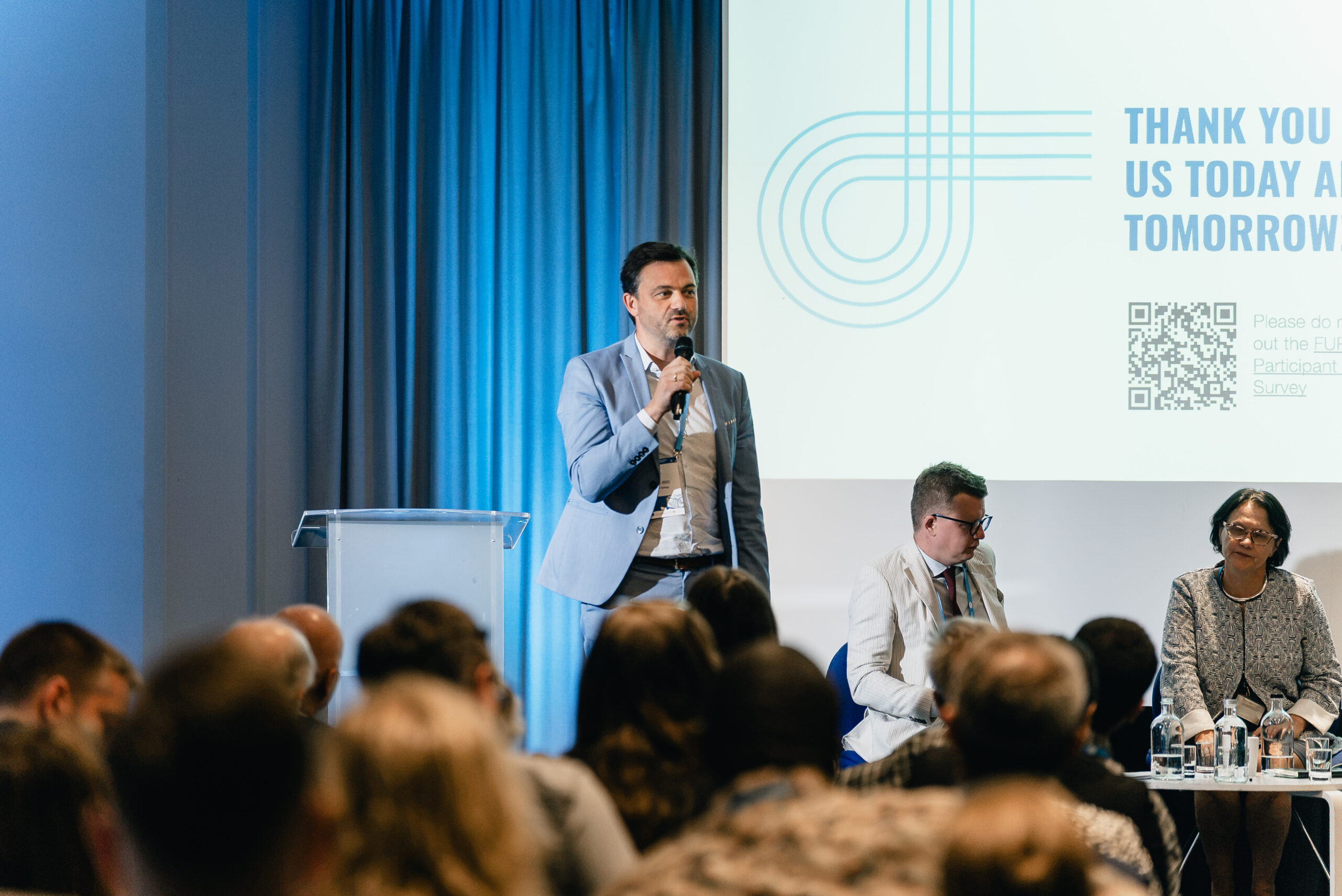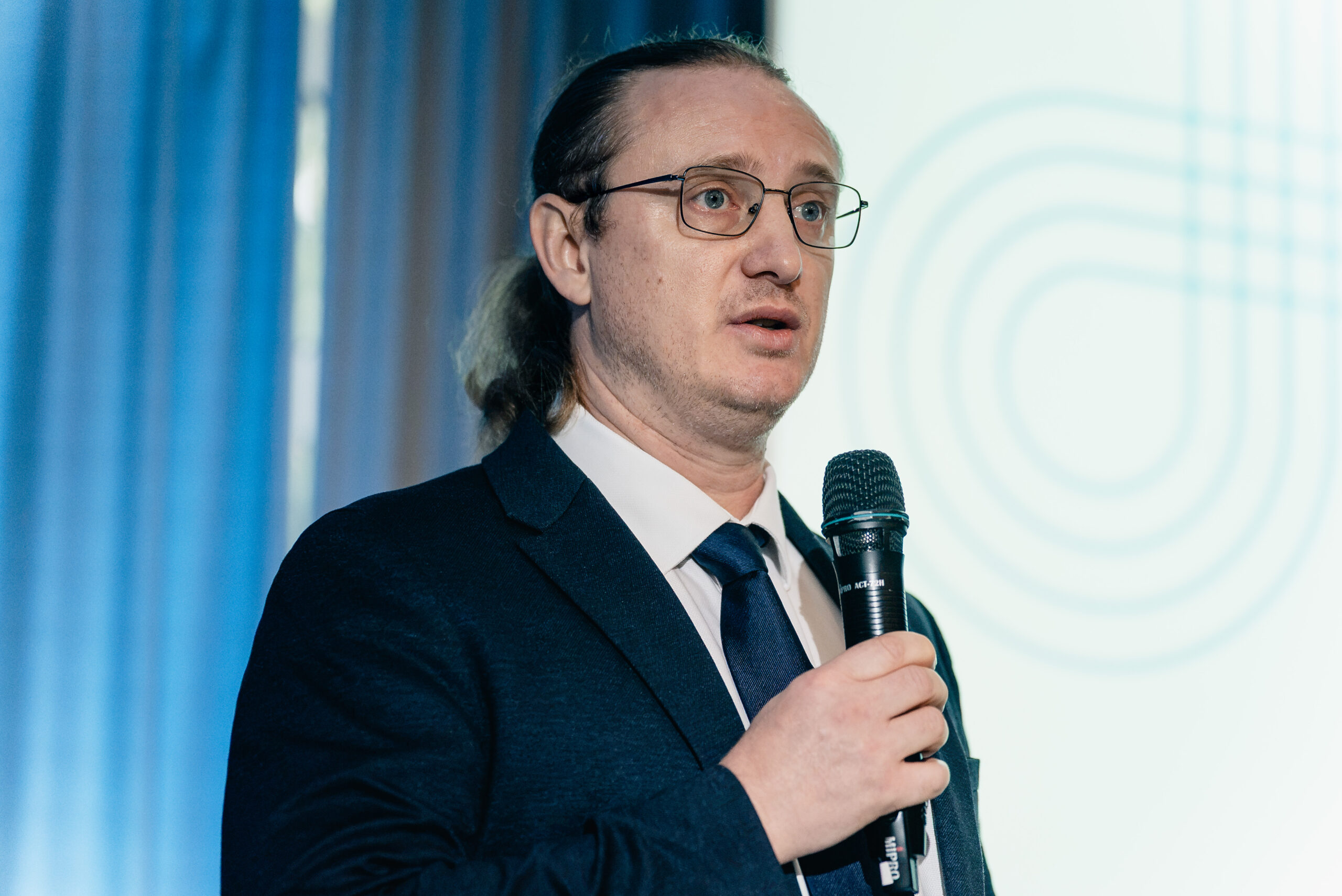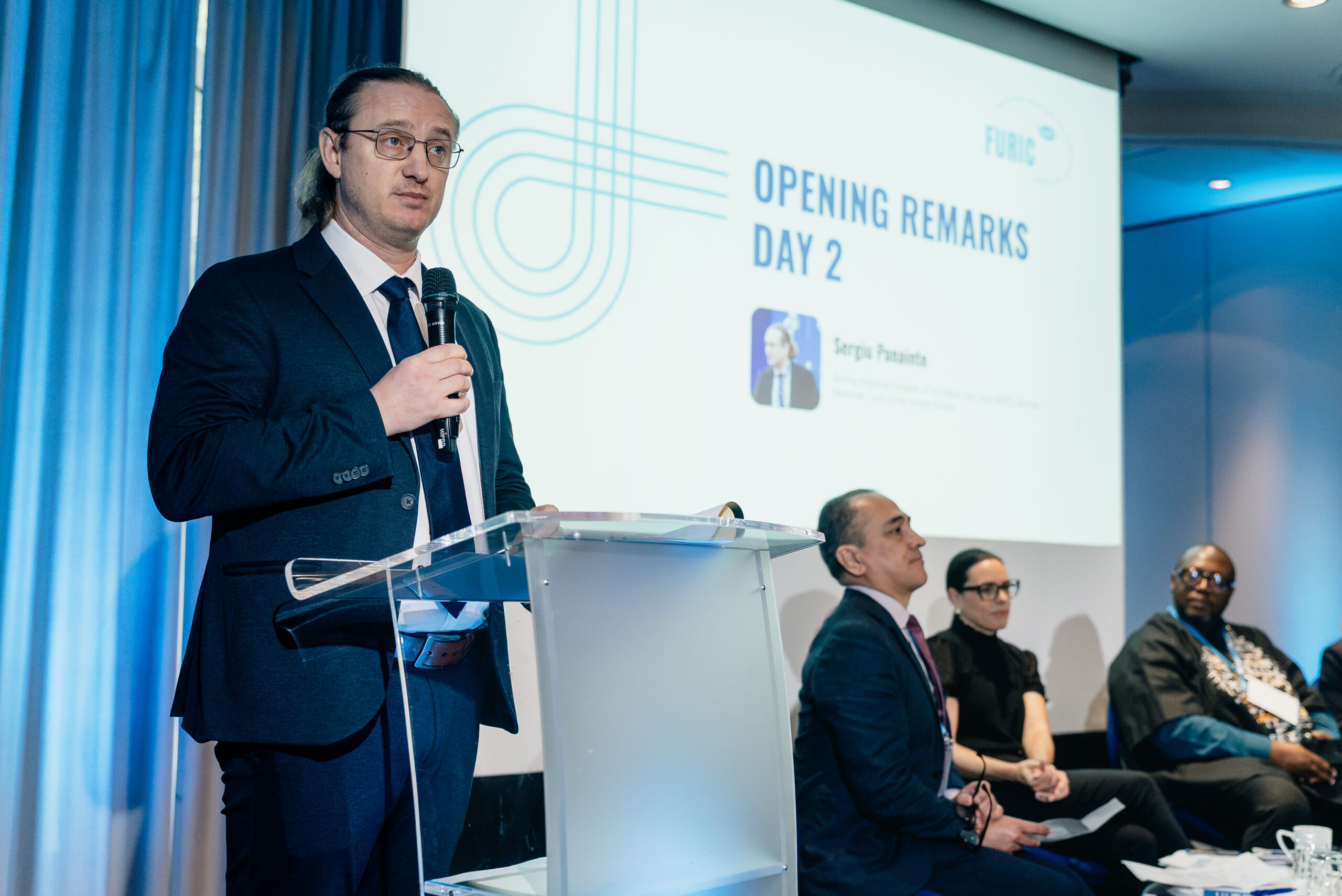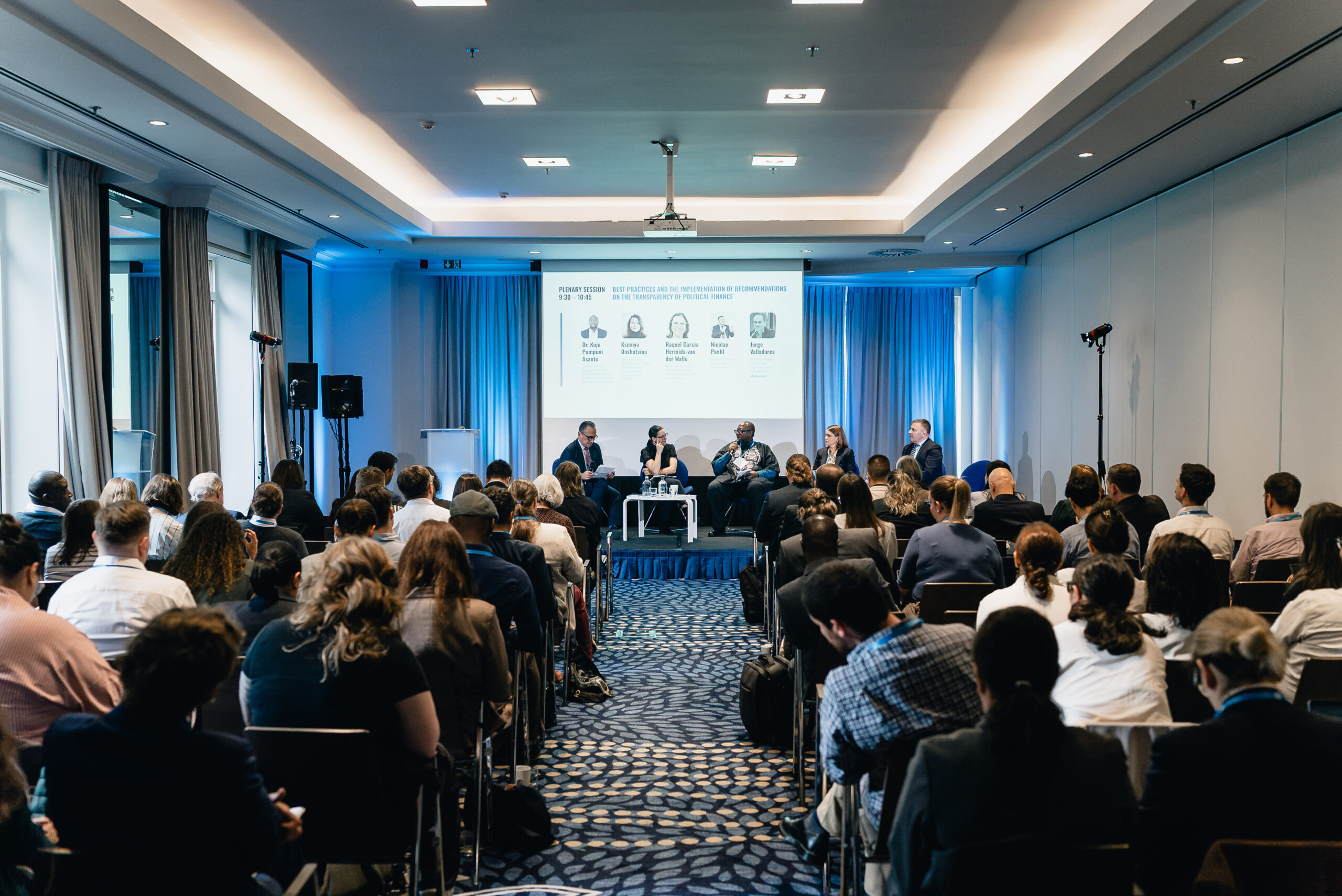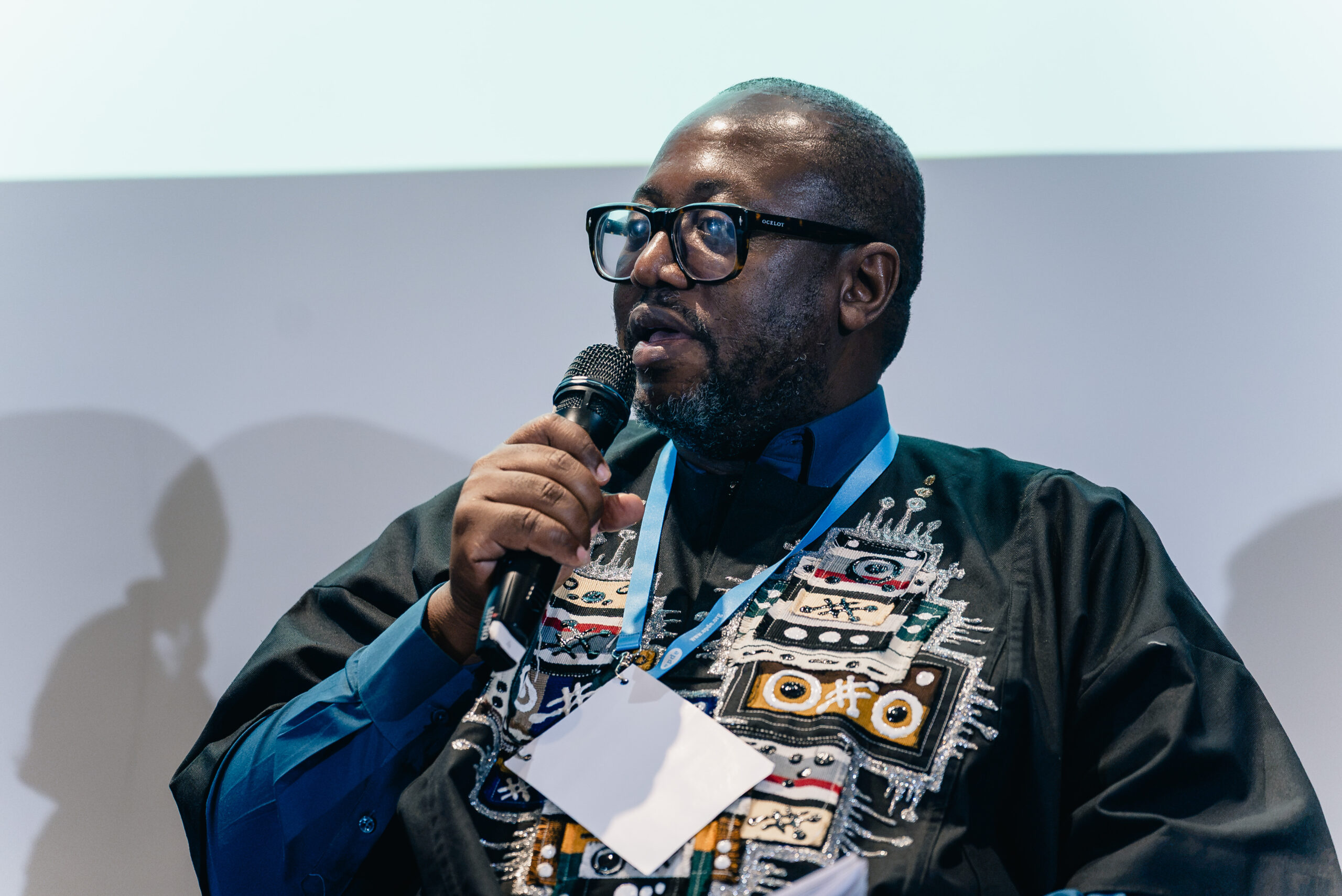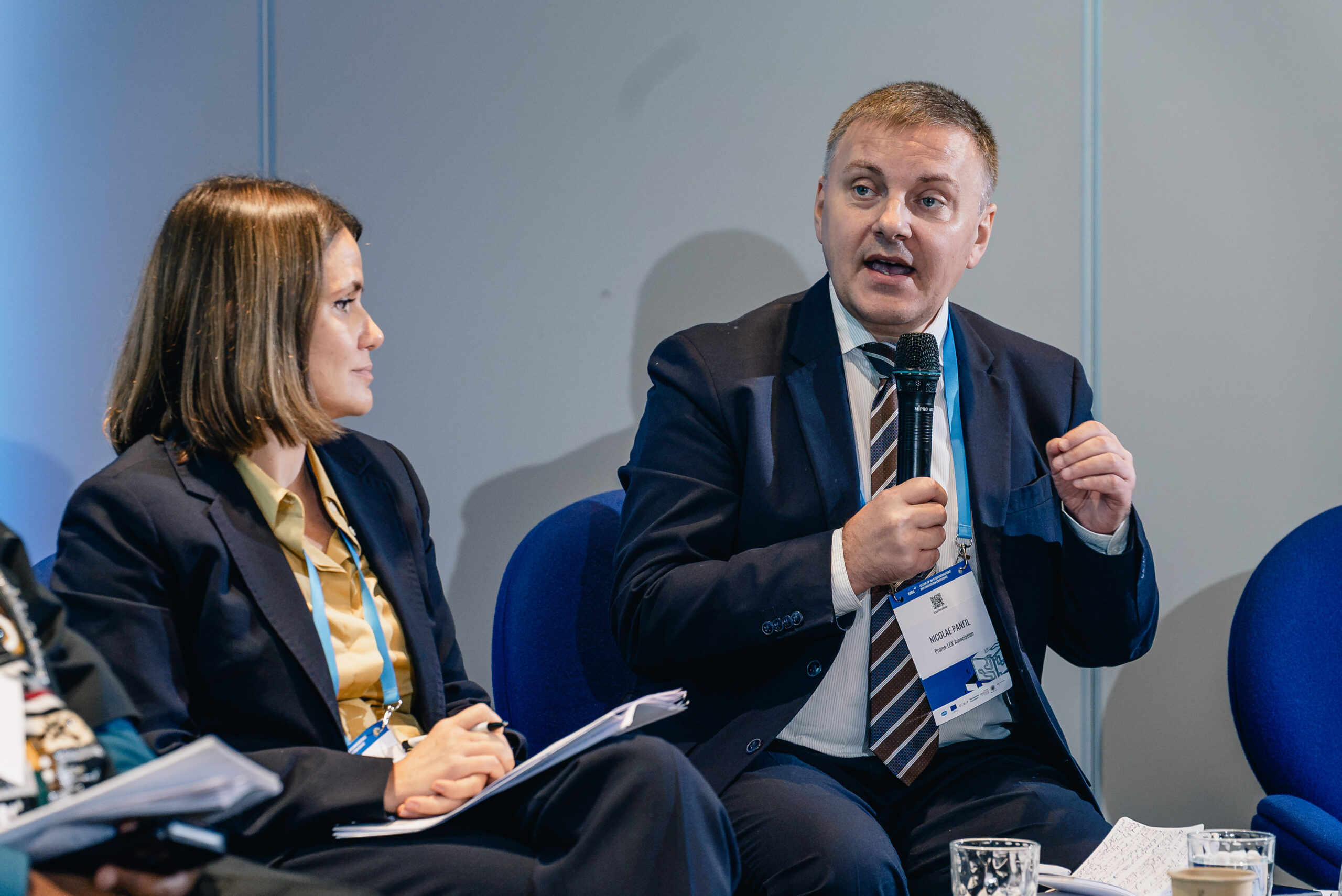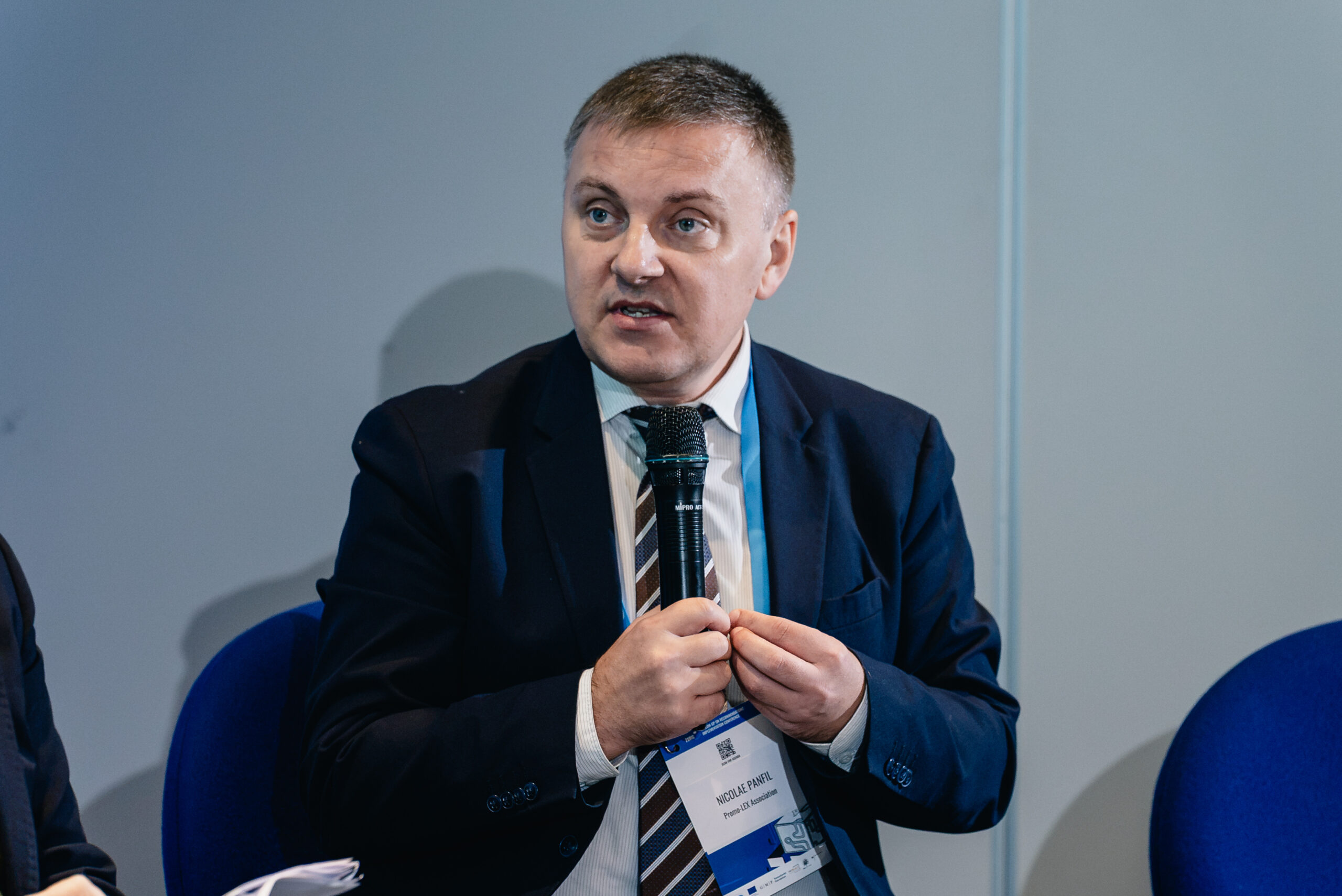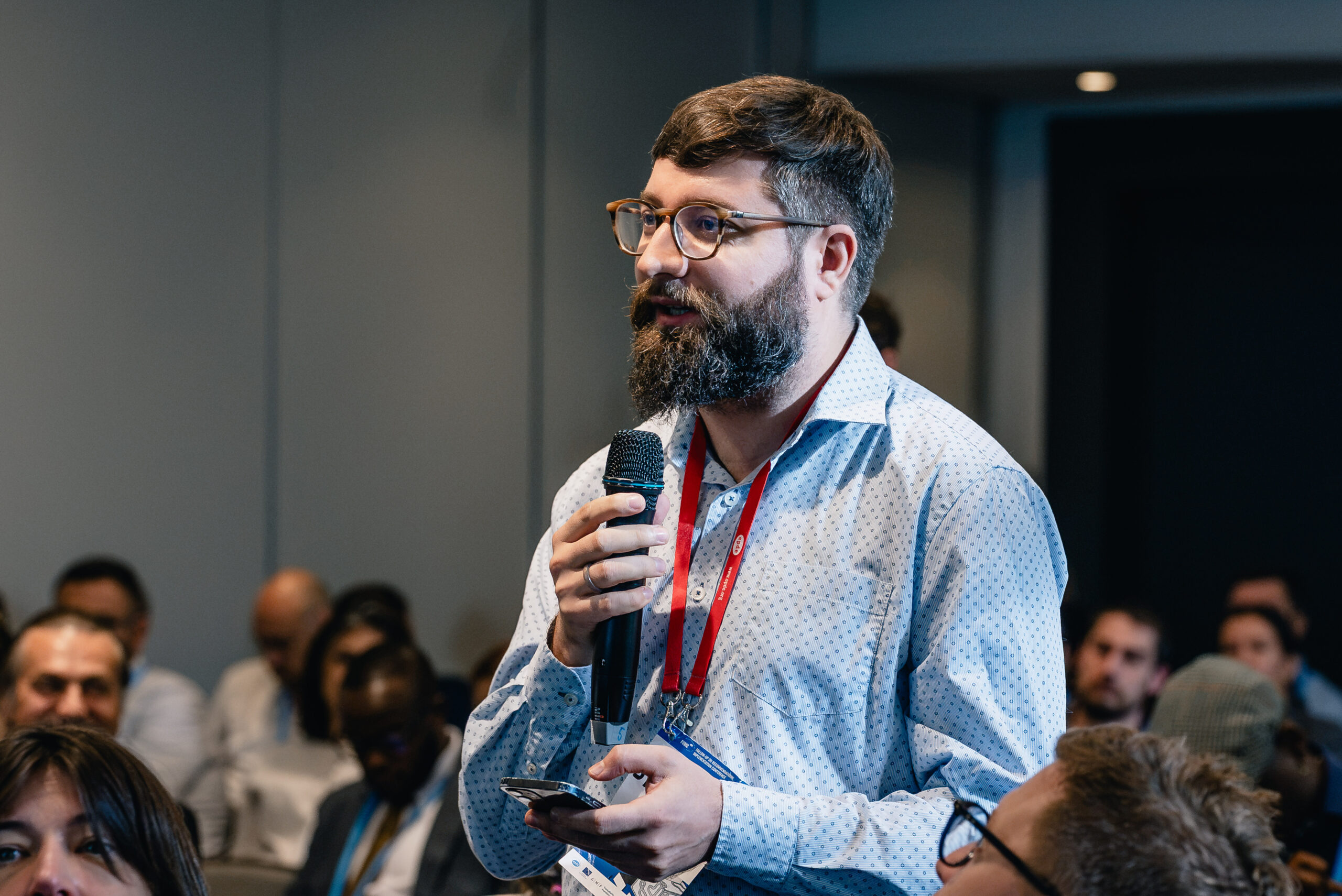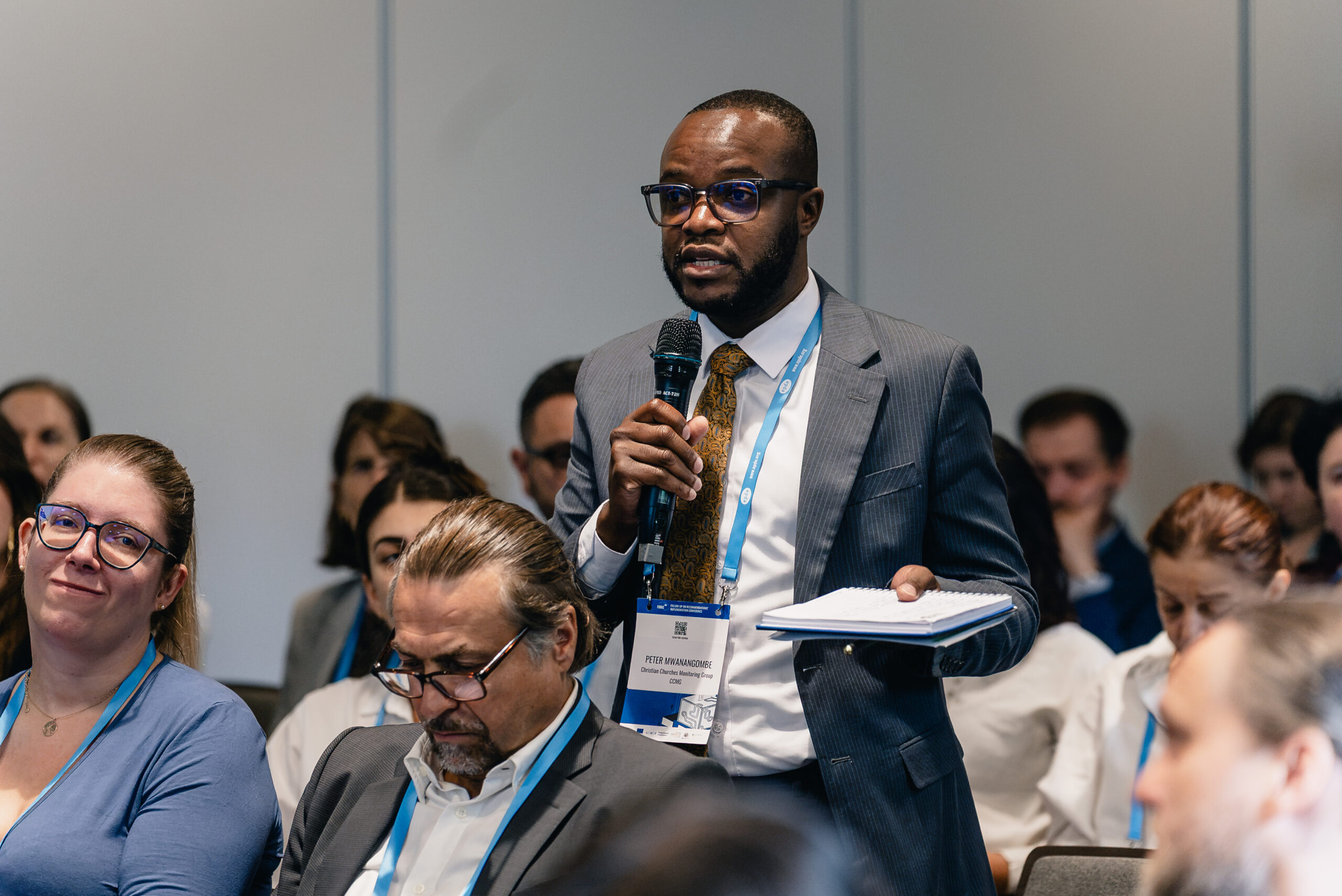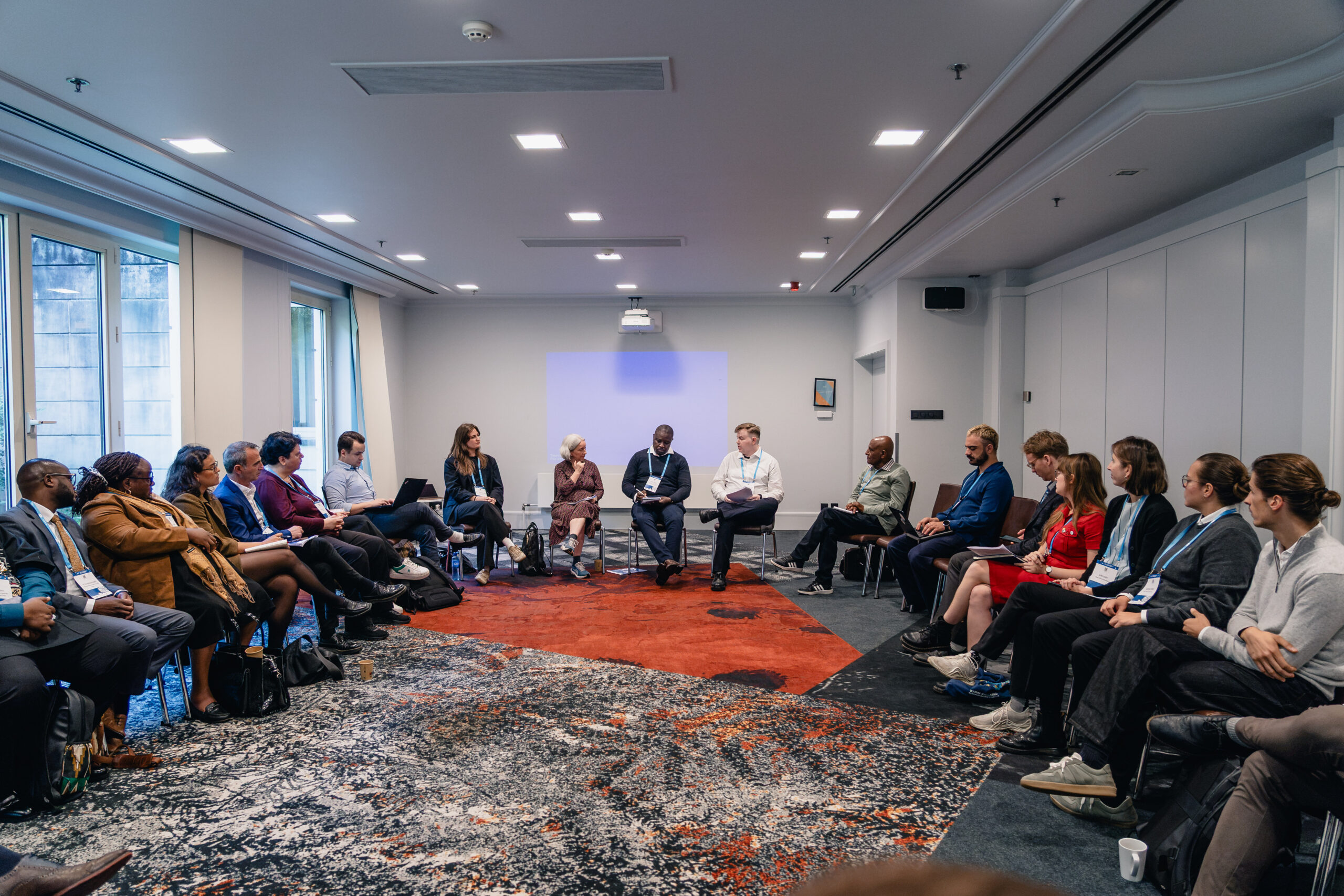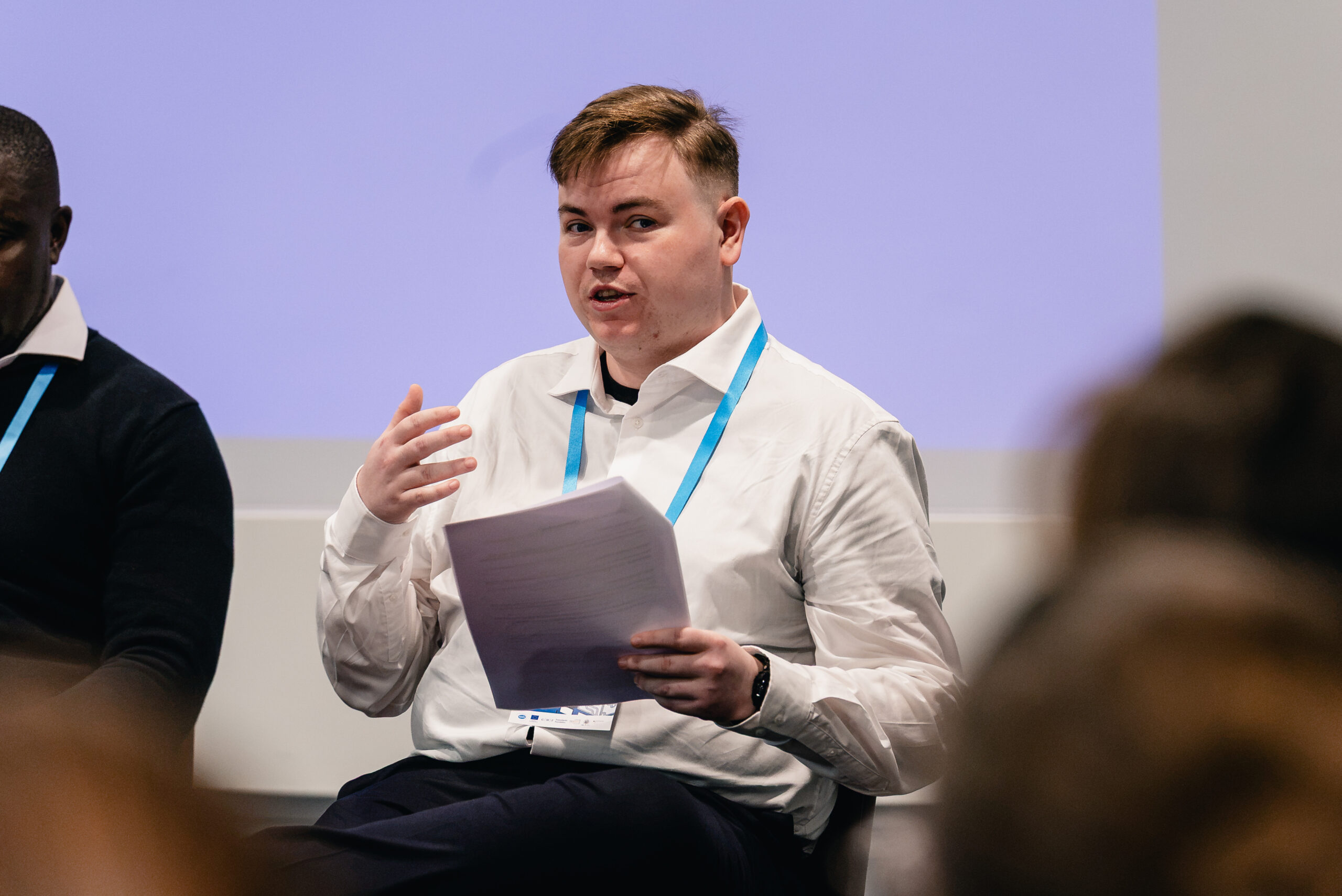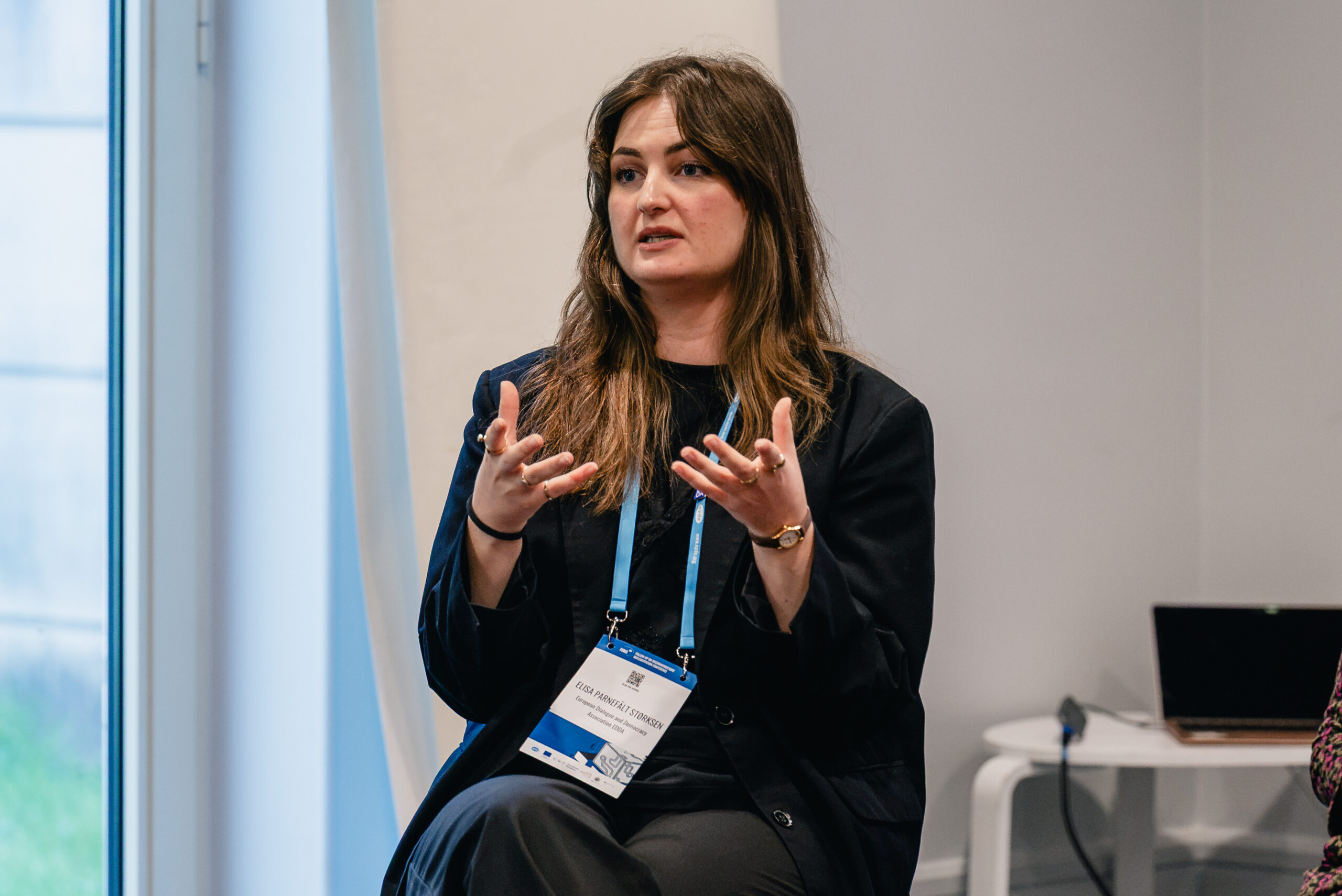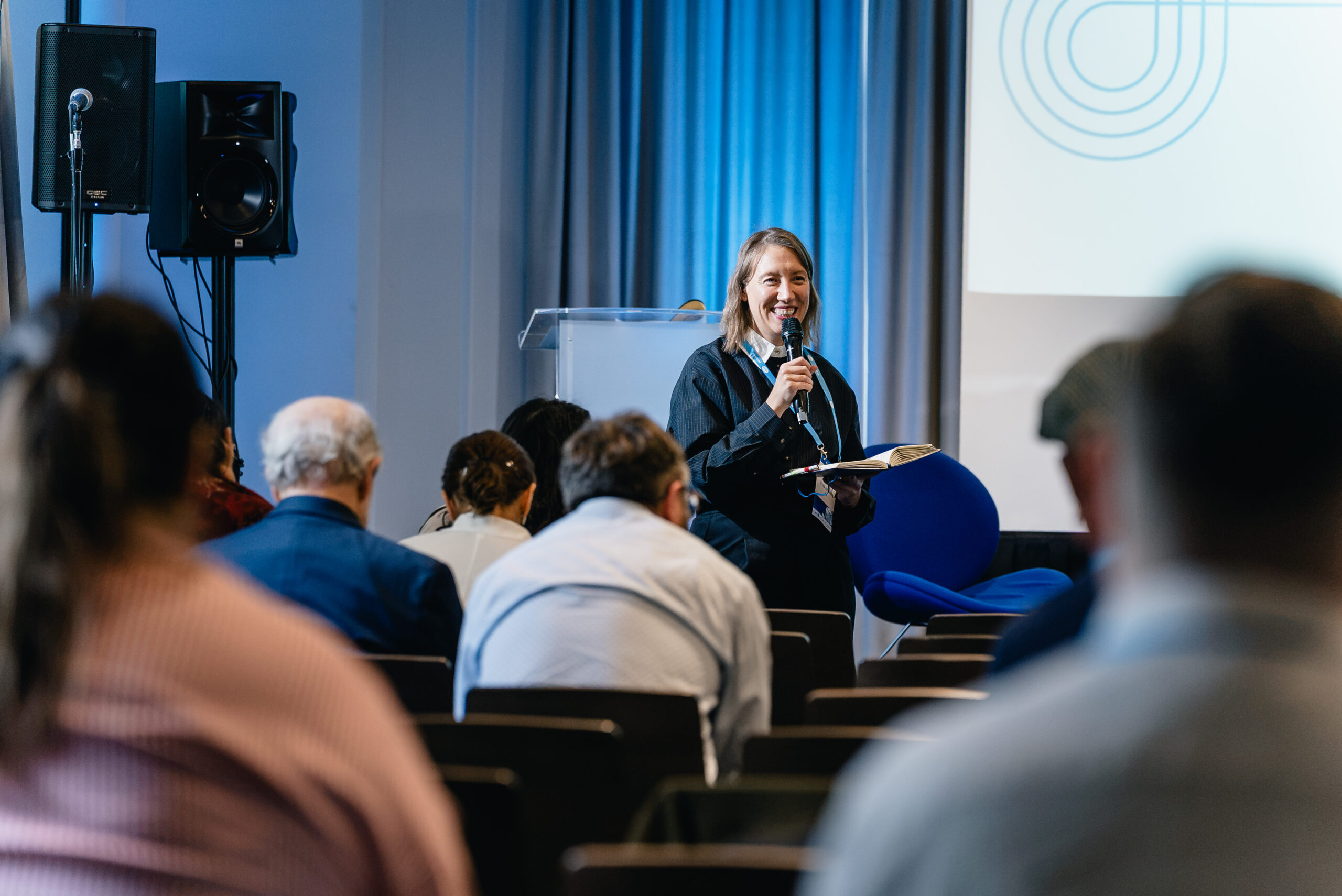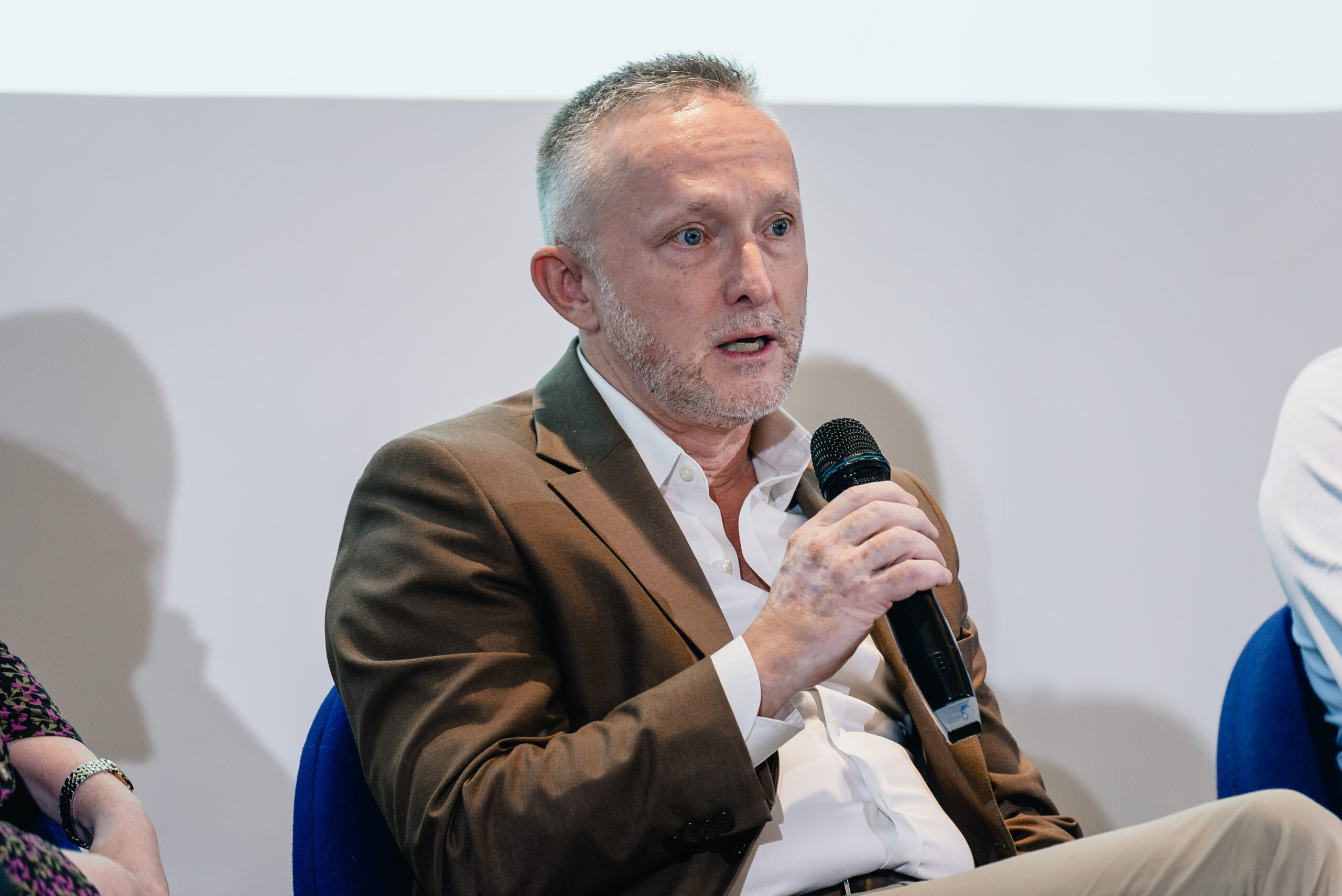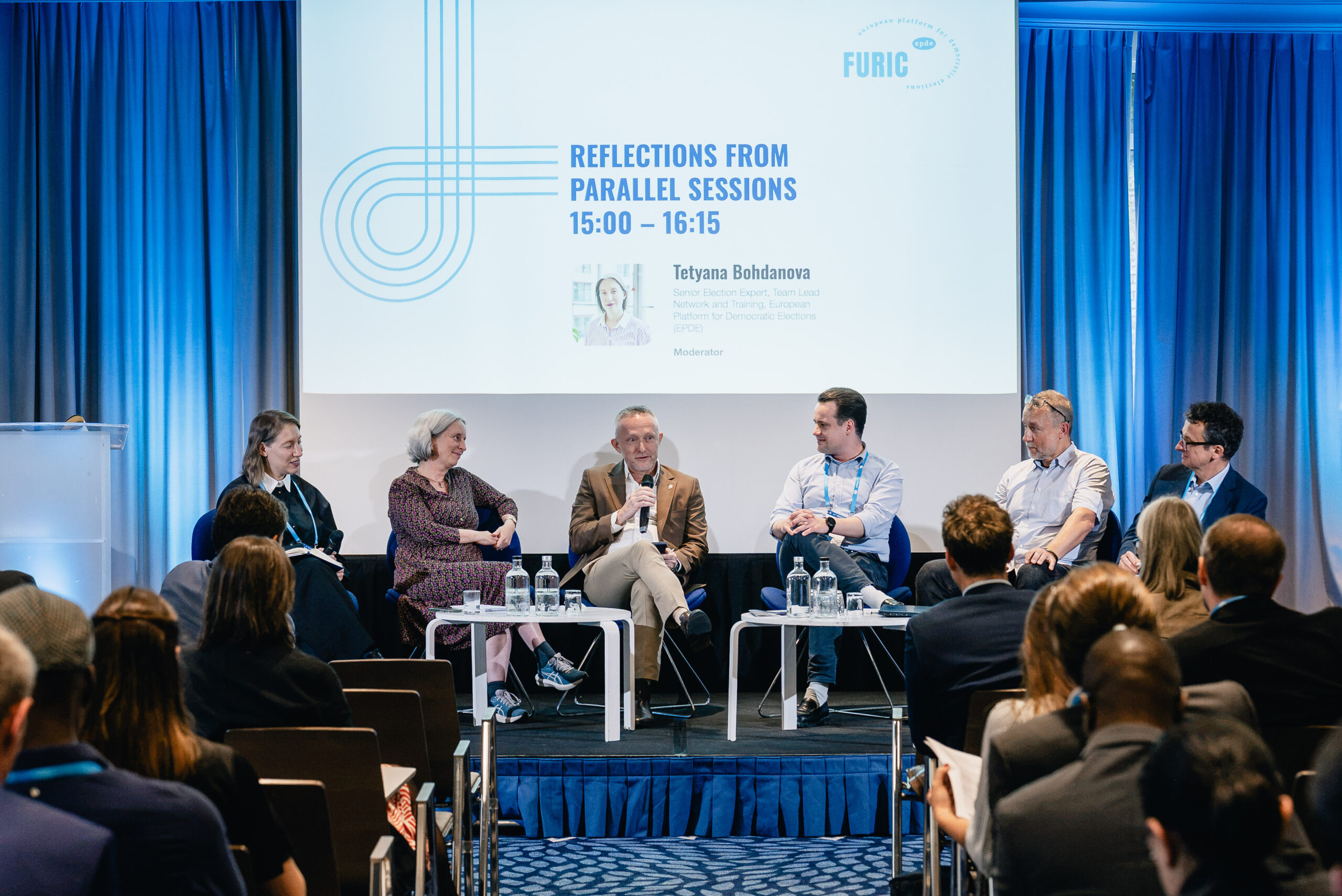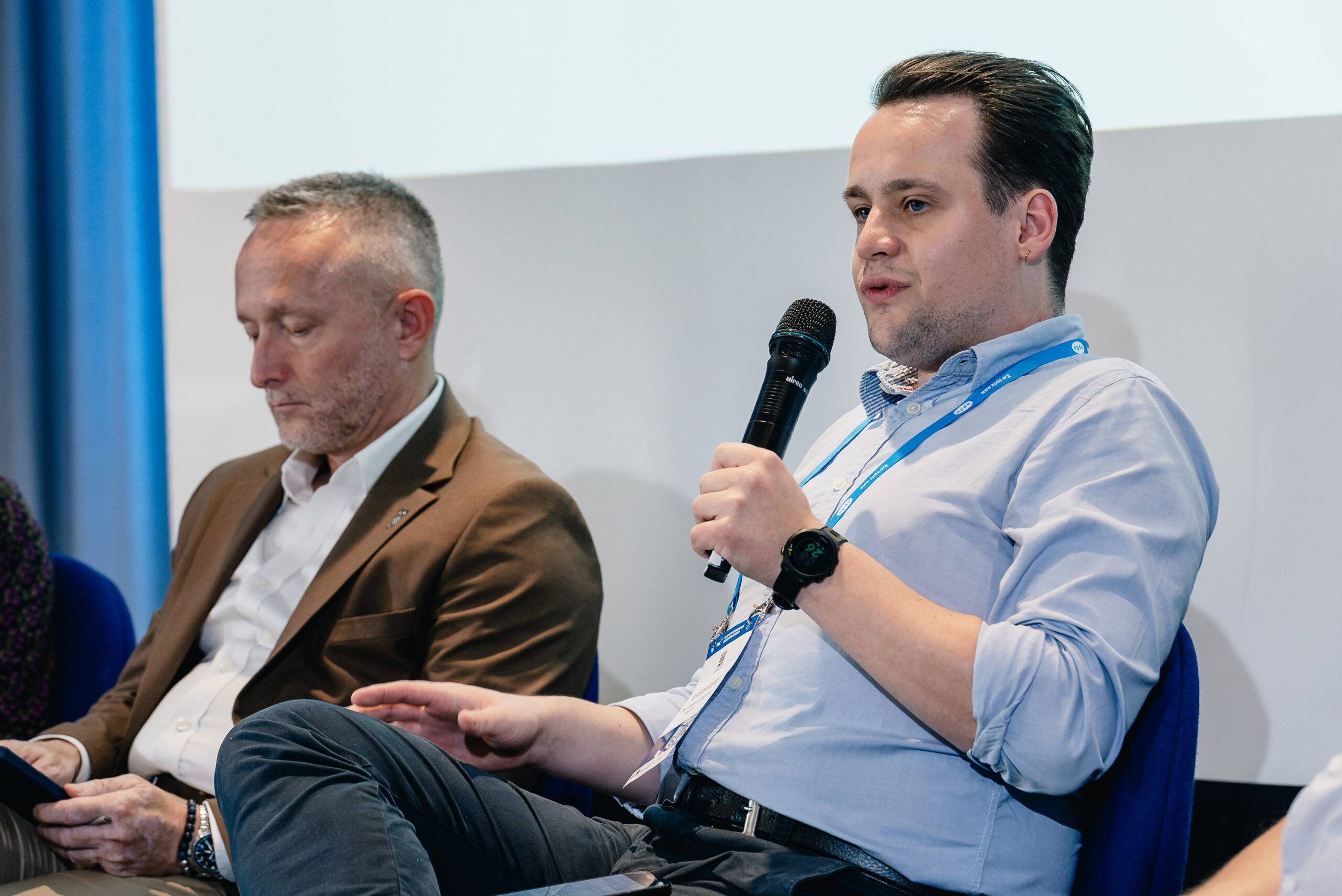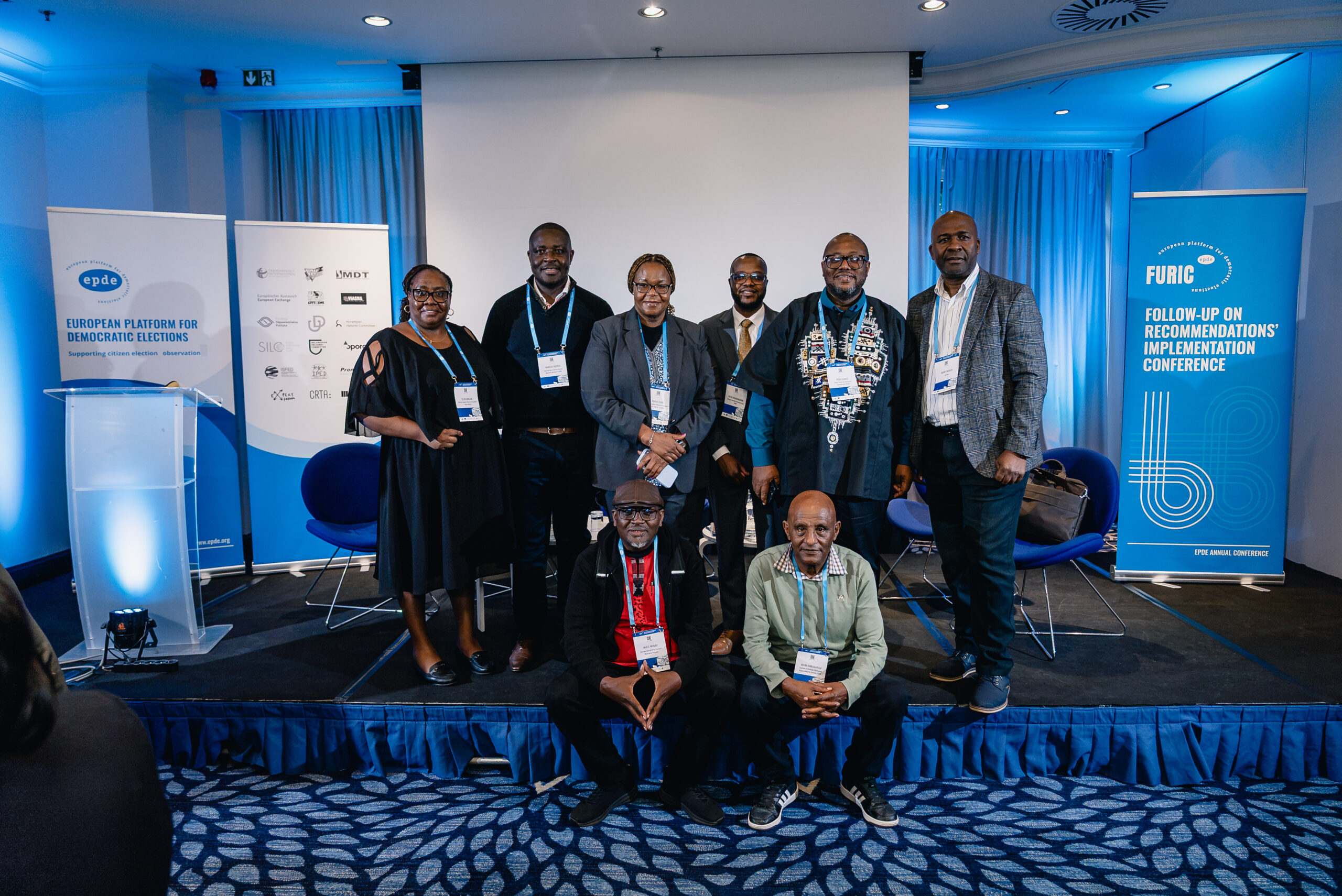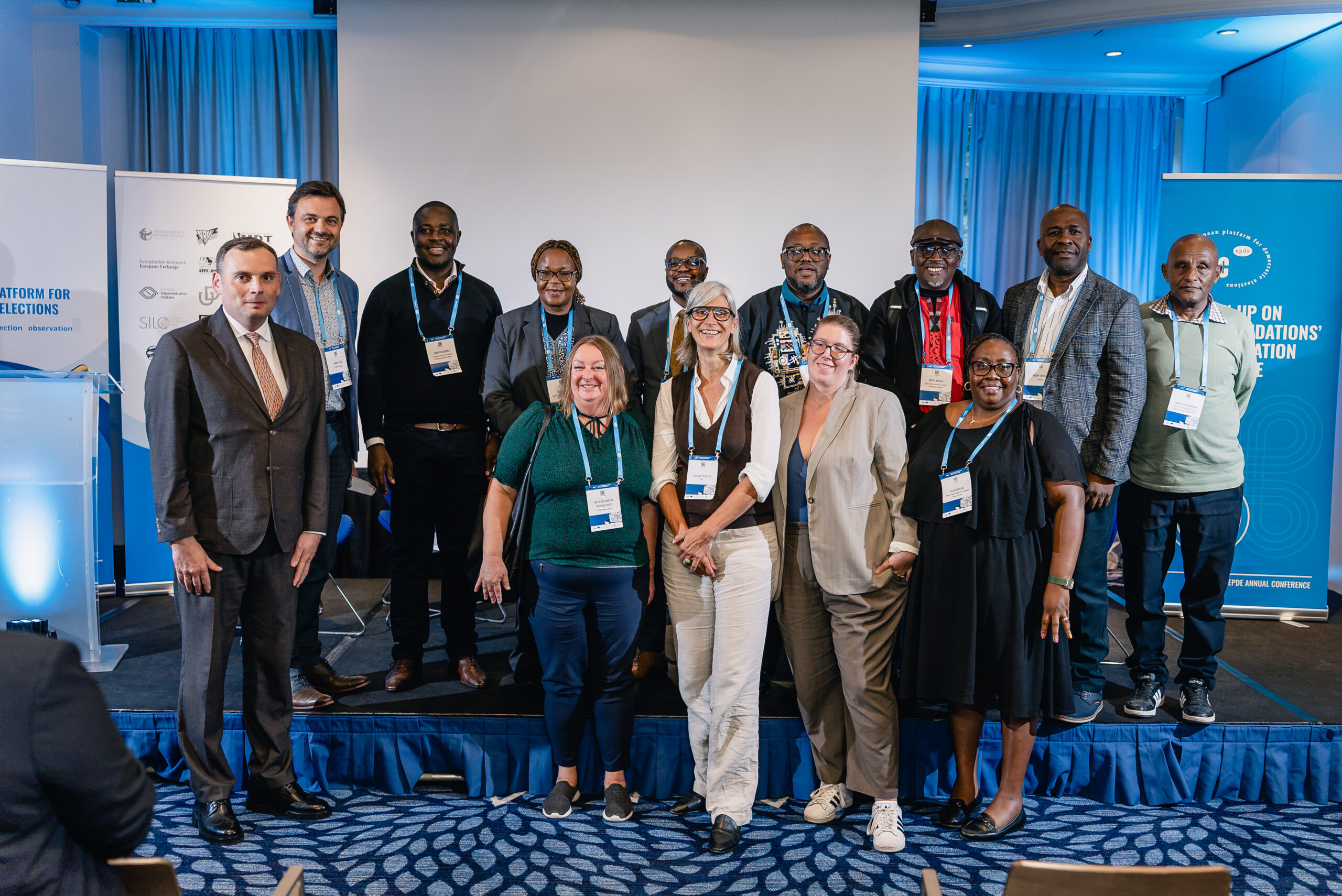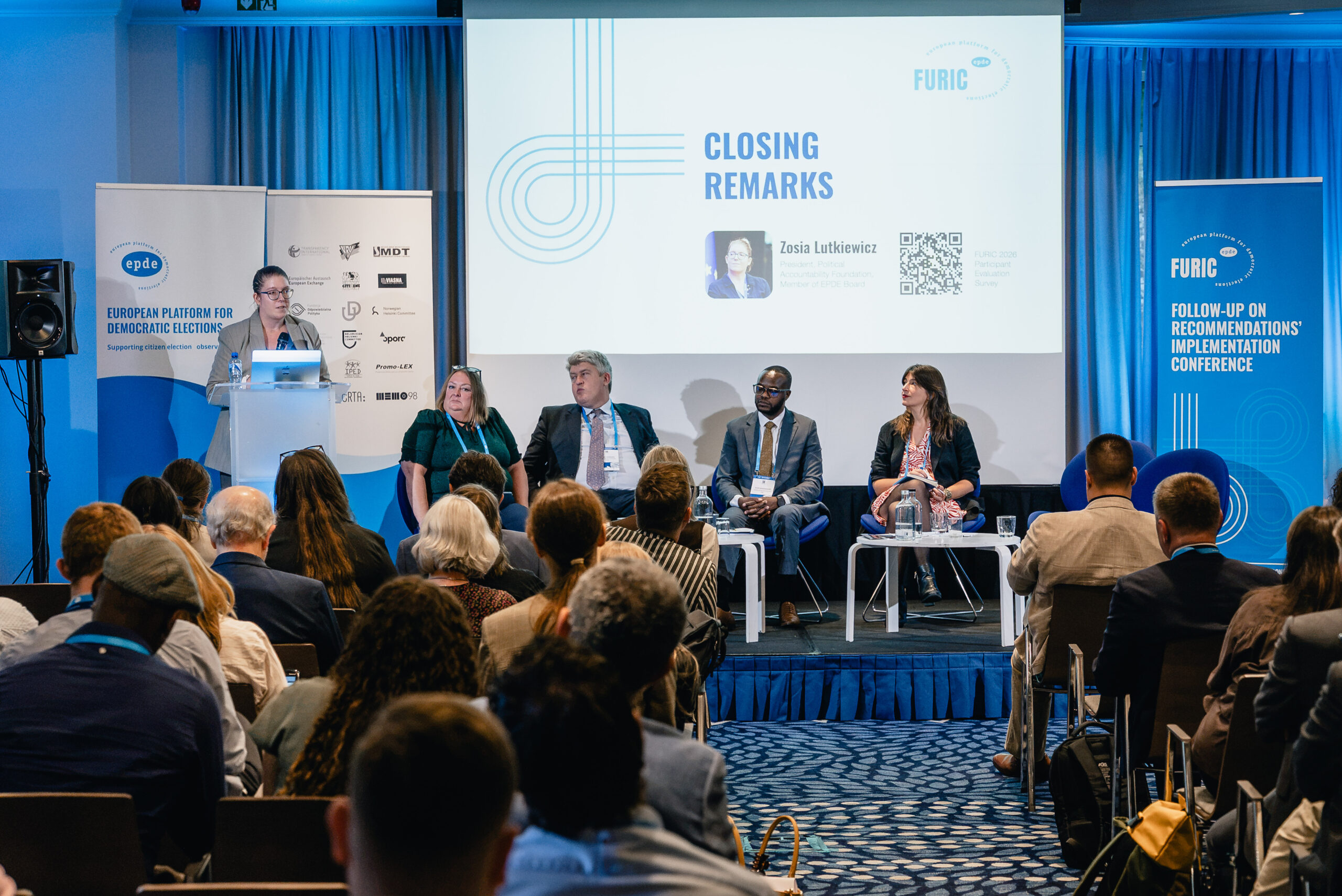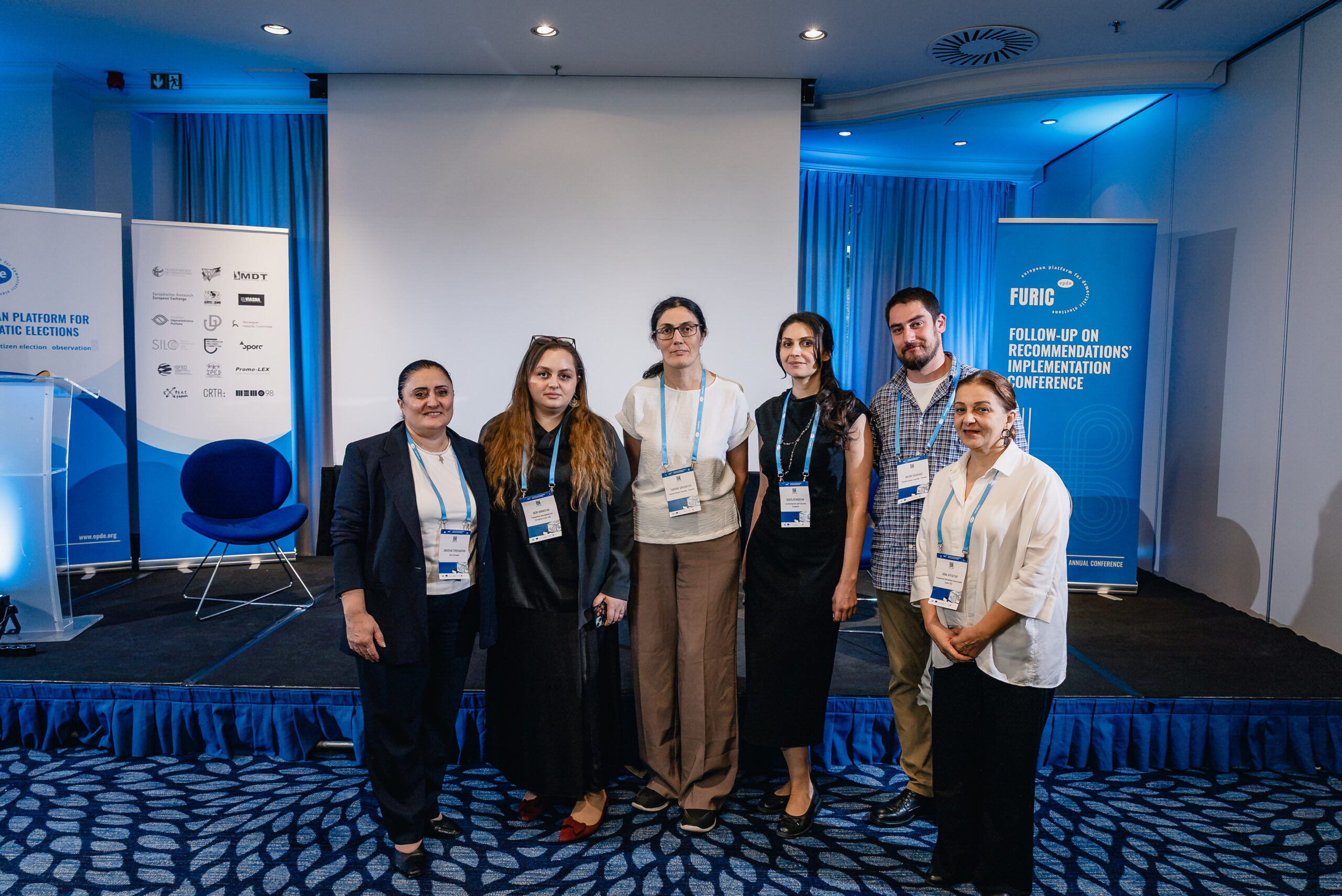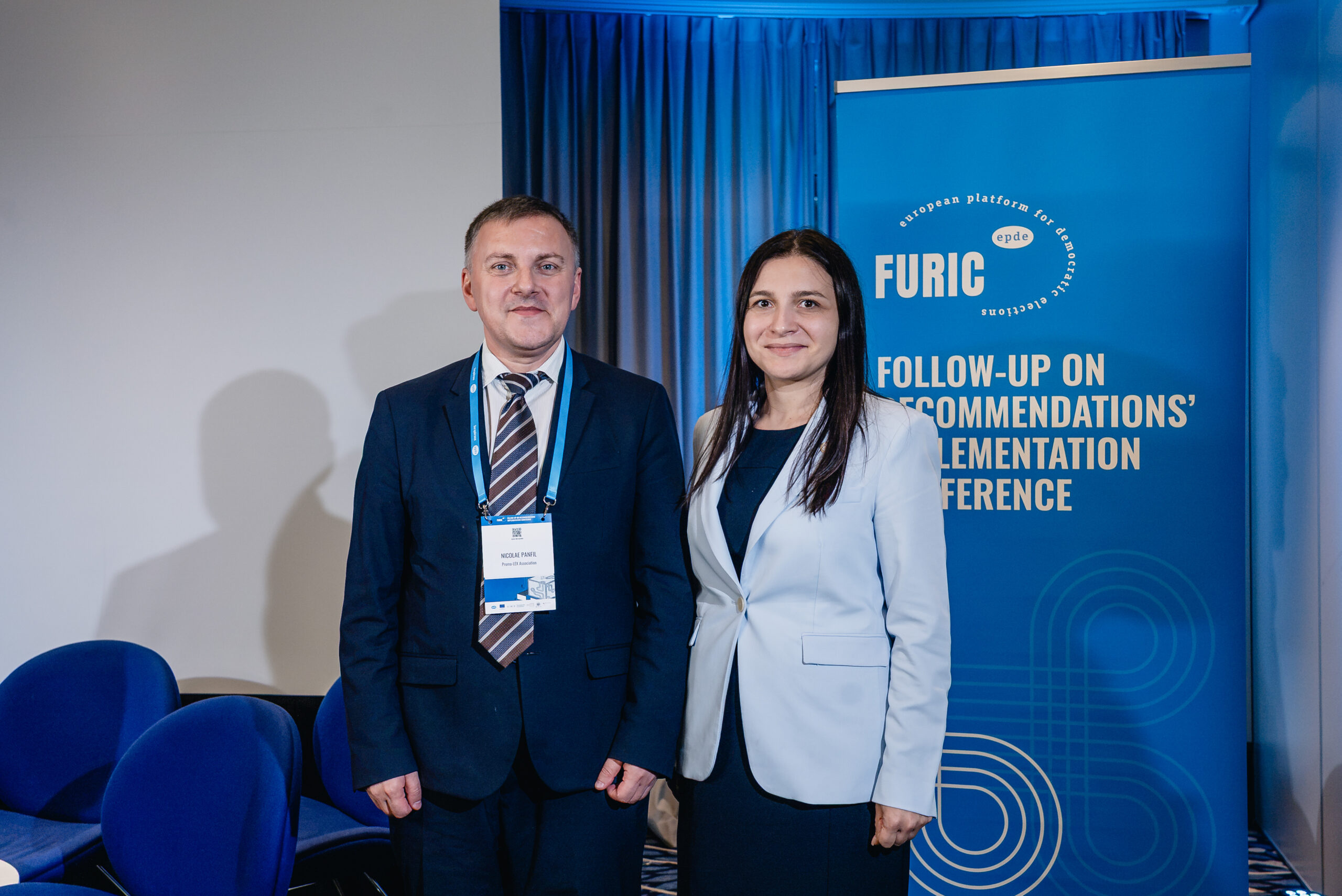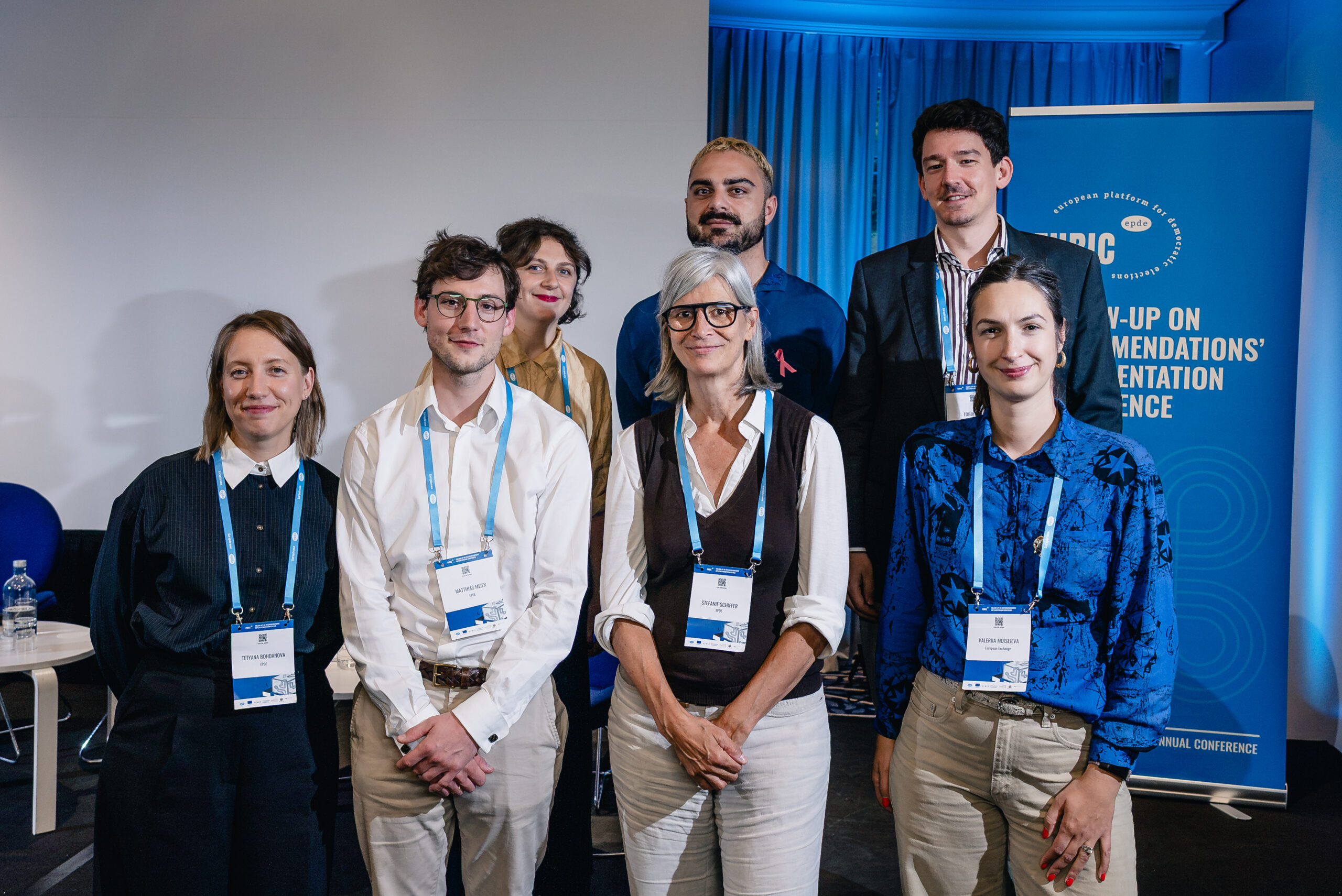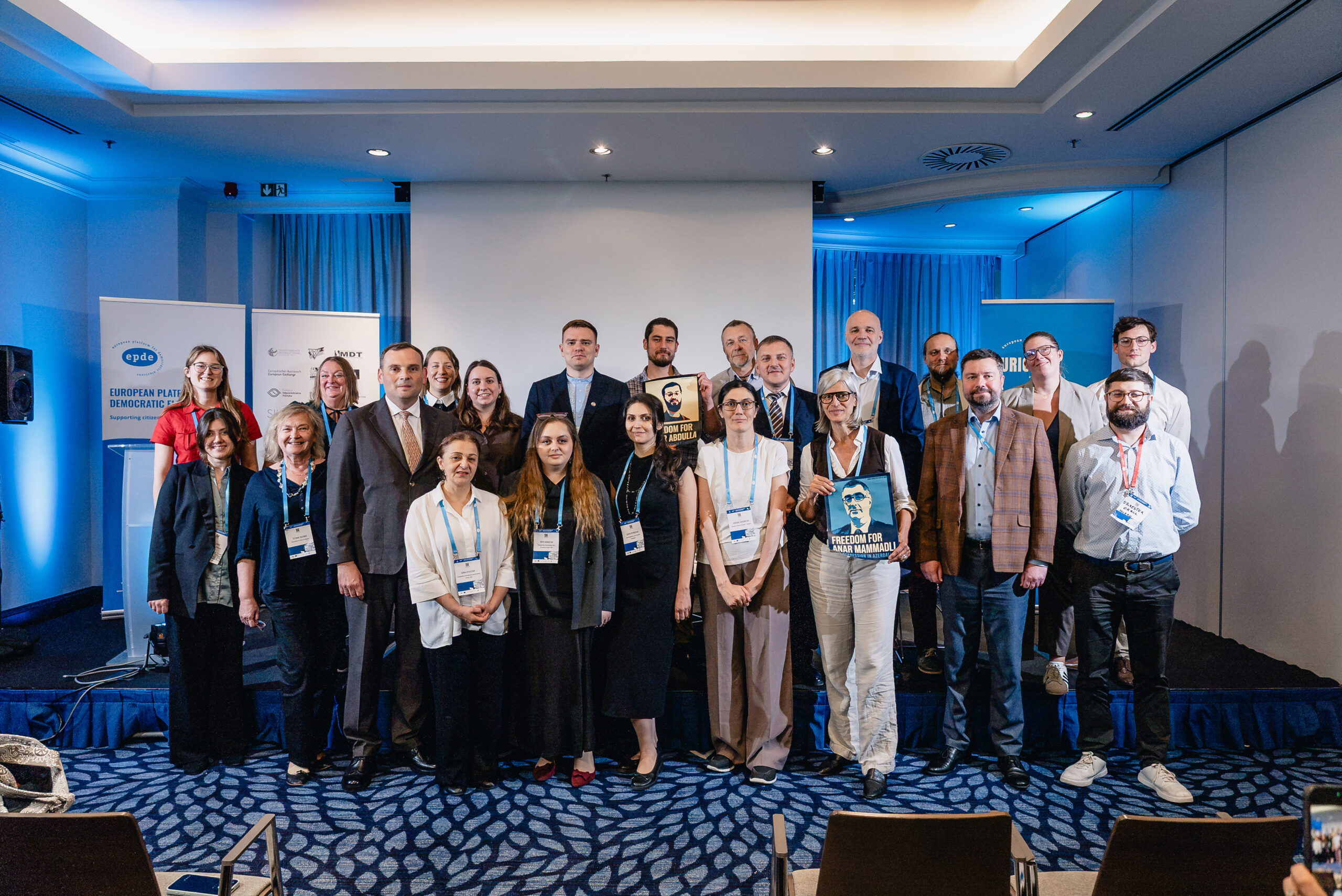
In a rapidly evolving electoral landscape, FURIC 2026 will bring together election experts, observers, representatives from international institutions and national authorities and political stakeholders to address the complex interplay between technology, democracy, and electoral integrity.
This year’s focus is on the impact of digital transformation on elections and the need for innovative observation methods to address challenges like disinformation, fake observation, digital and illicit campaign financing and cybersecurity.
FURIC 2025 is supported by the Federal Foreign Office of the Federal Republic of Germany and the German Marshall Fund of the United States.
FURIC 2025 is organised in cooperation with European Parliament’s Democracy Support and Election Coordination Group (DEG) and OSCE Office for Democratic Institutions and Human Rights (OSCE/ODIHR).
Please note that, due to limited capacity, completing the registration does not guarantee attendance. You will receive an official confirmation and further information about the event.
Rest assured, we are working hard to make it possible for as many participants as possible to attend the conference. A live-stream will also be available on both days in case physical attendance isn’t possible.
Hosted by European Platform for Democratic Elections and supported by the European Commission
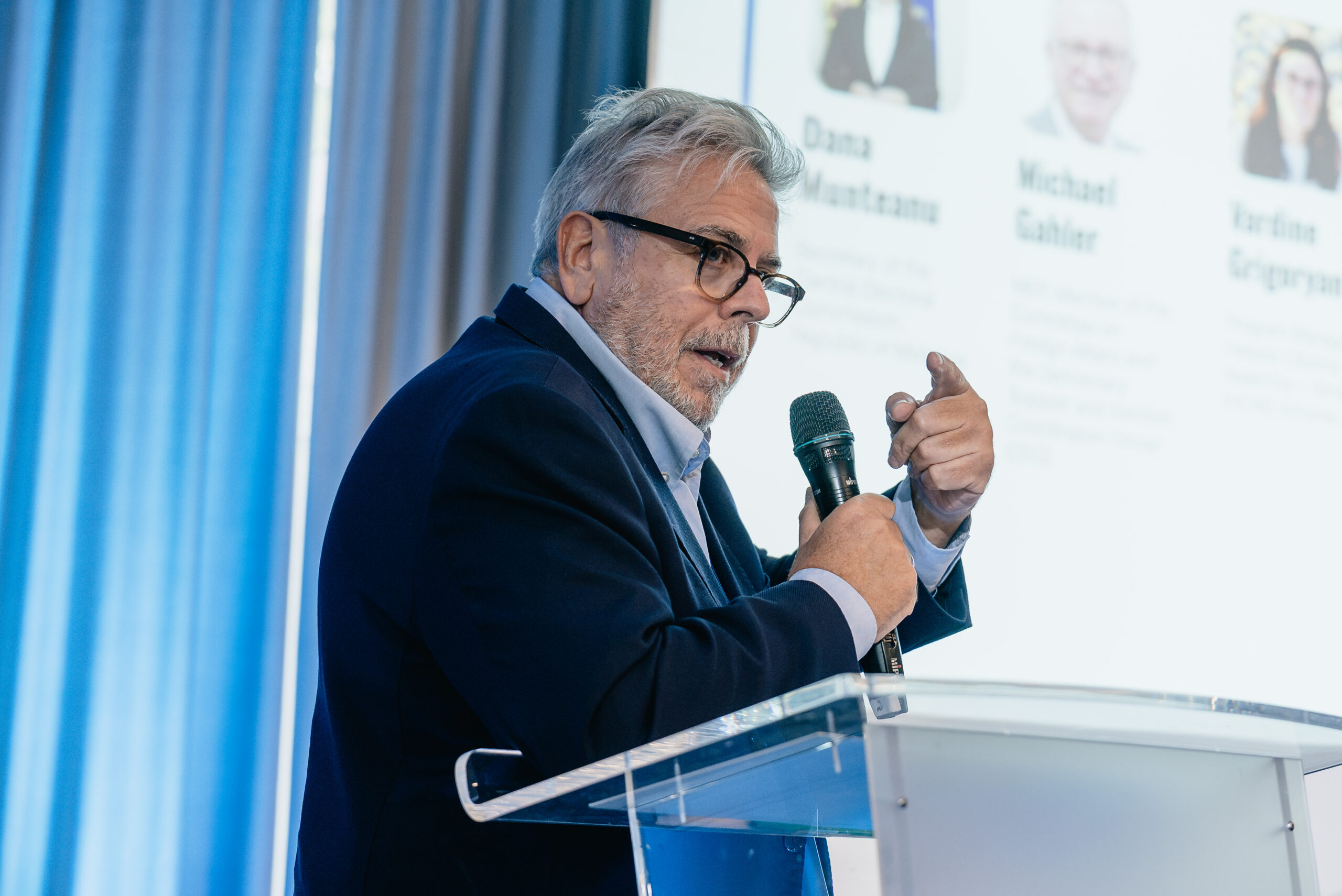
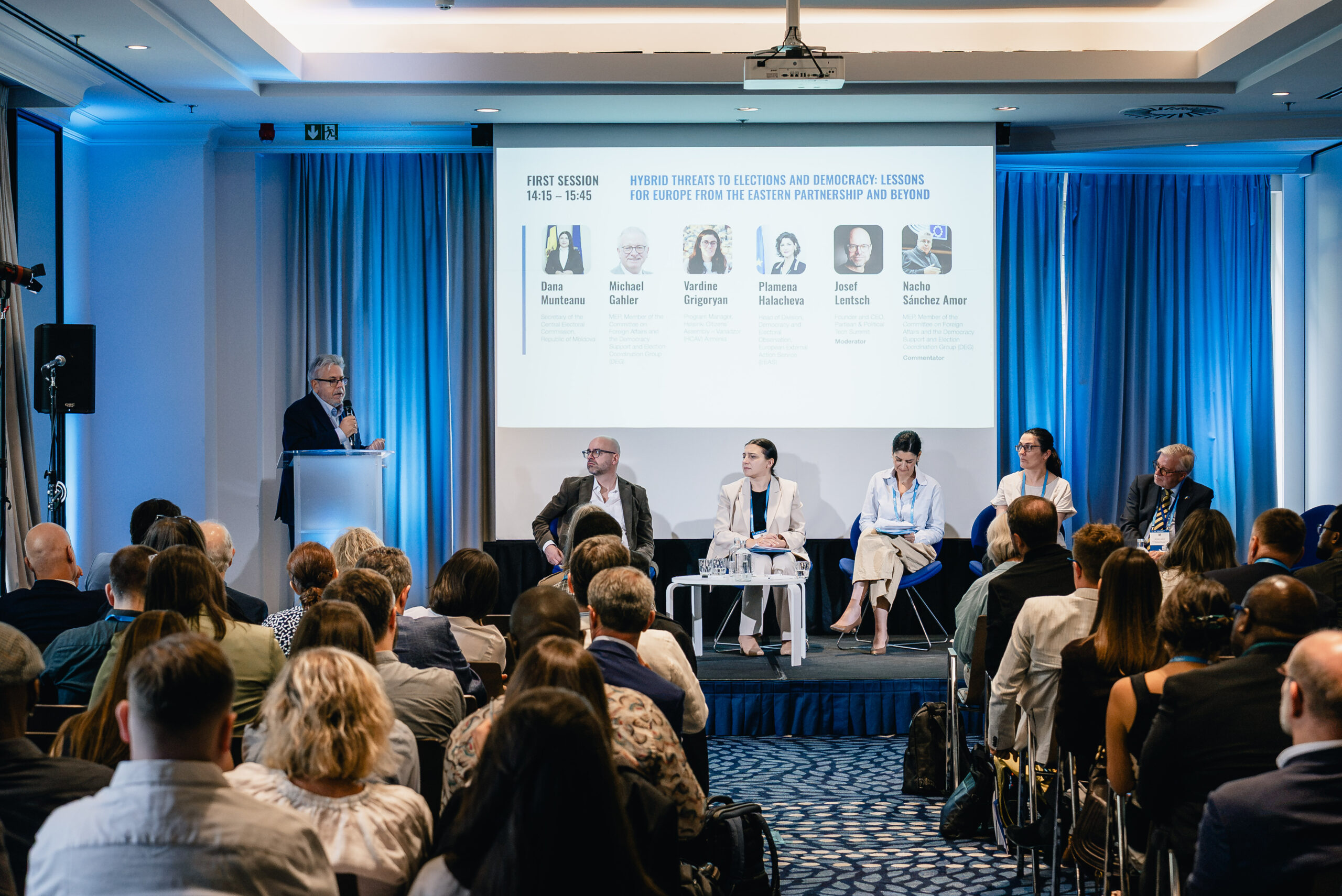
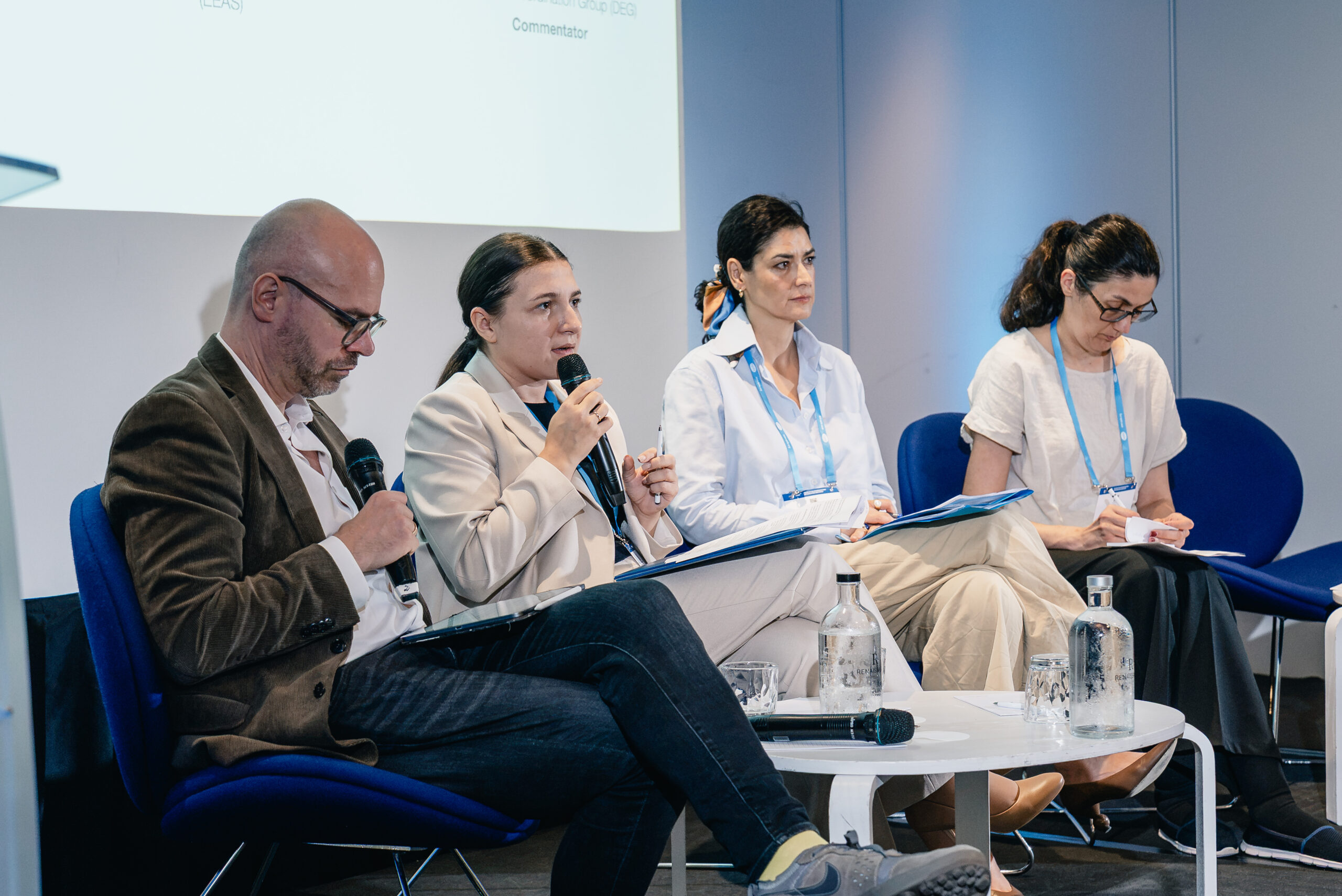
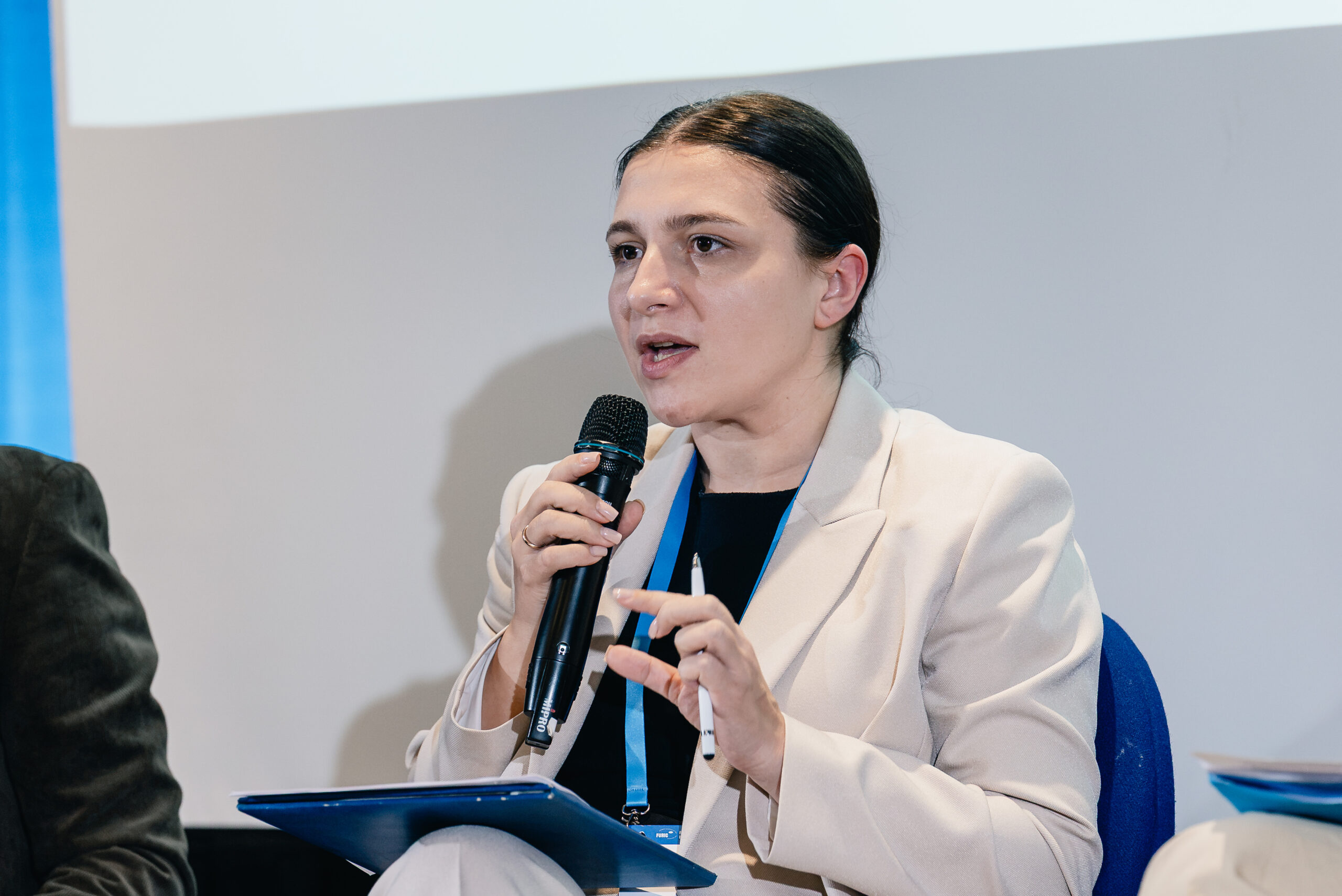
Recent elections in Europe have become testing grounds for a coordinated set of hybrid tactics targeting both elections and actors providing electoral support. The discussion will address such tactics, ranging from equating international electoral assistance with foreign interference, coupled with converging digital threats, including FIMI, AI-aided information manipulation and opaque campaign financing. Panelists will draw out lessons for an effective response from state and civil society actors, including the implications for strengthening electoral transparency, accountability, and coordinated safeguards across the EU.
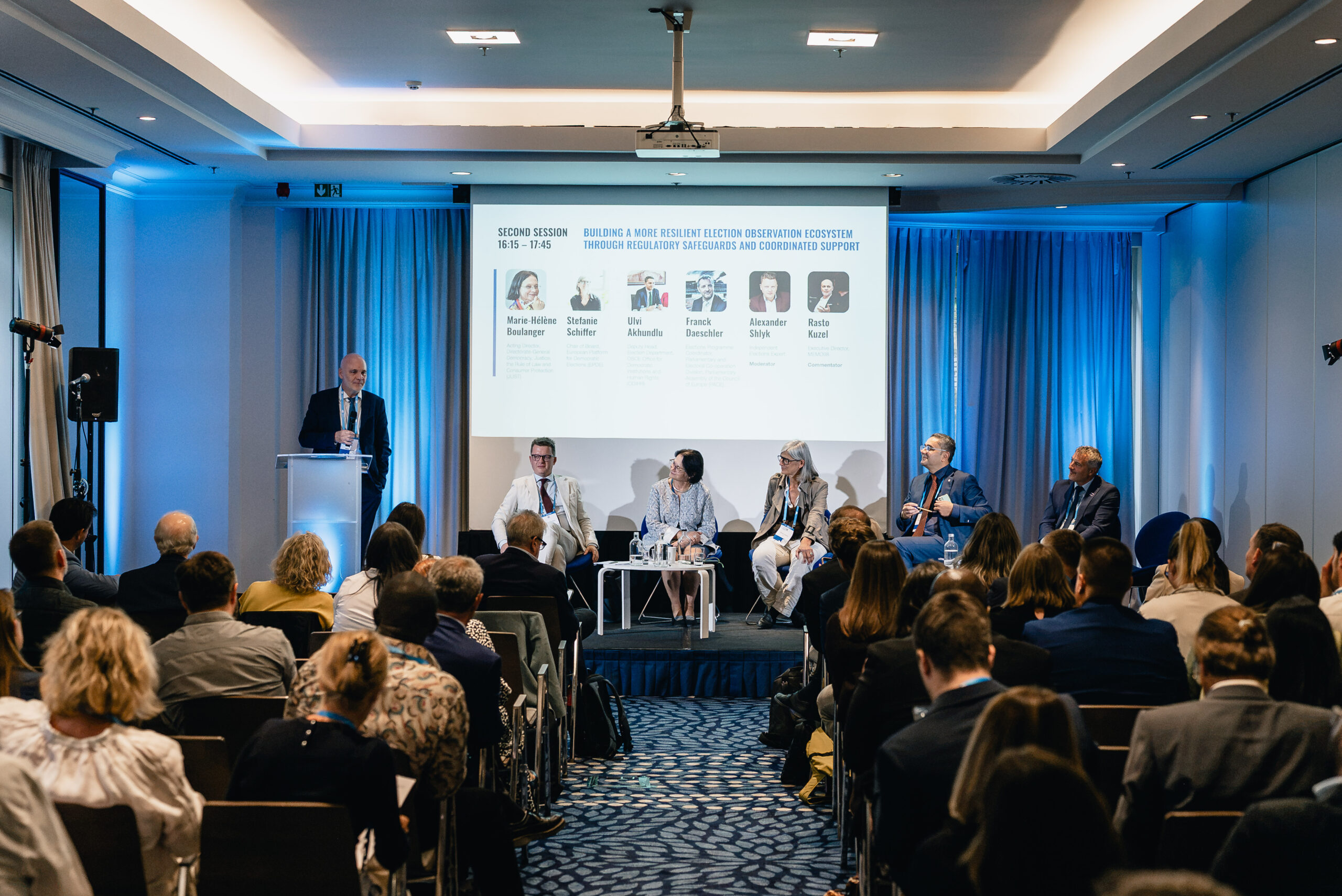
This session addresses the dual challenge of shrinking civil space faced by election observers in a growing number of countries and the often lacking legal procedures and regulations needed to safeguard election observation and prevent fake observers and malign actors from infiltrating national elections. Participants will discuss how to increase the resilience of citizen election observers facing increasing political, legal, and administrative pressure while showcasing the gaps in regulations needed to support domestic election observation across Europe.
Hosted by EPDE, supported by the German Federal Foreign Office in cooperation with OSCE Office for Democratic Institutions and Human Rights (OSCE/ODIHR)
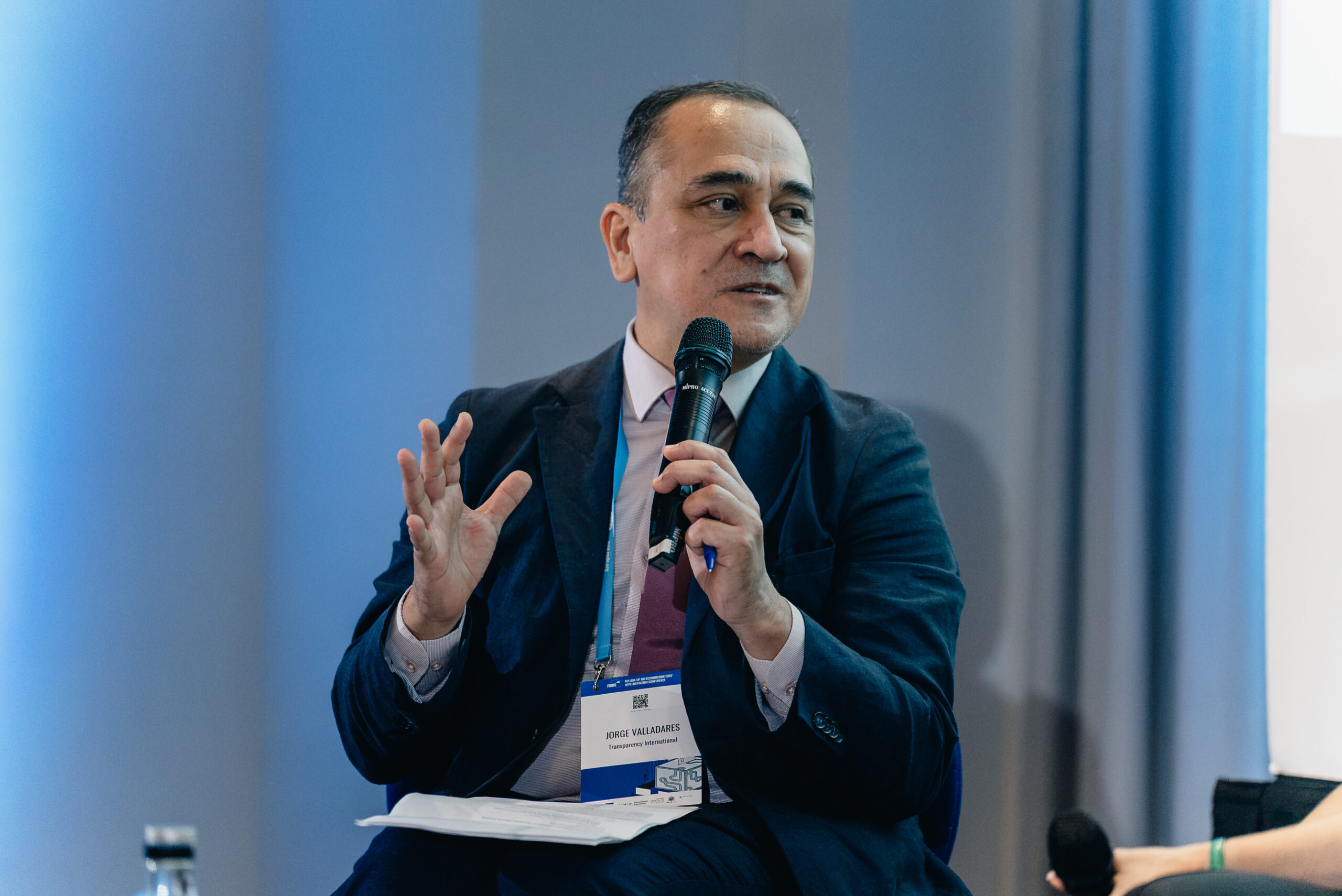
Moderator: Jorge Valladares, Political Integrity Policy Lead, Transparency International
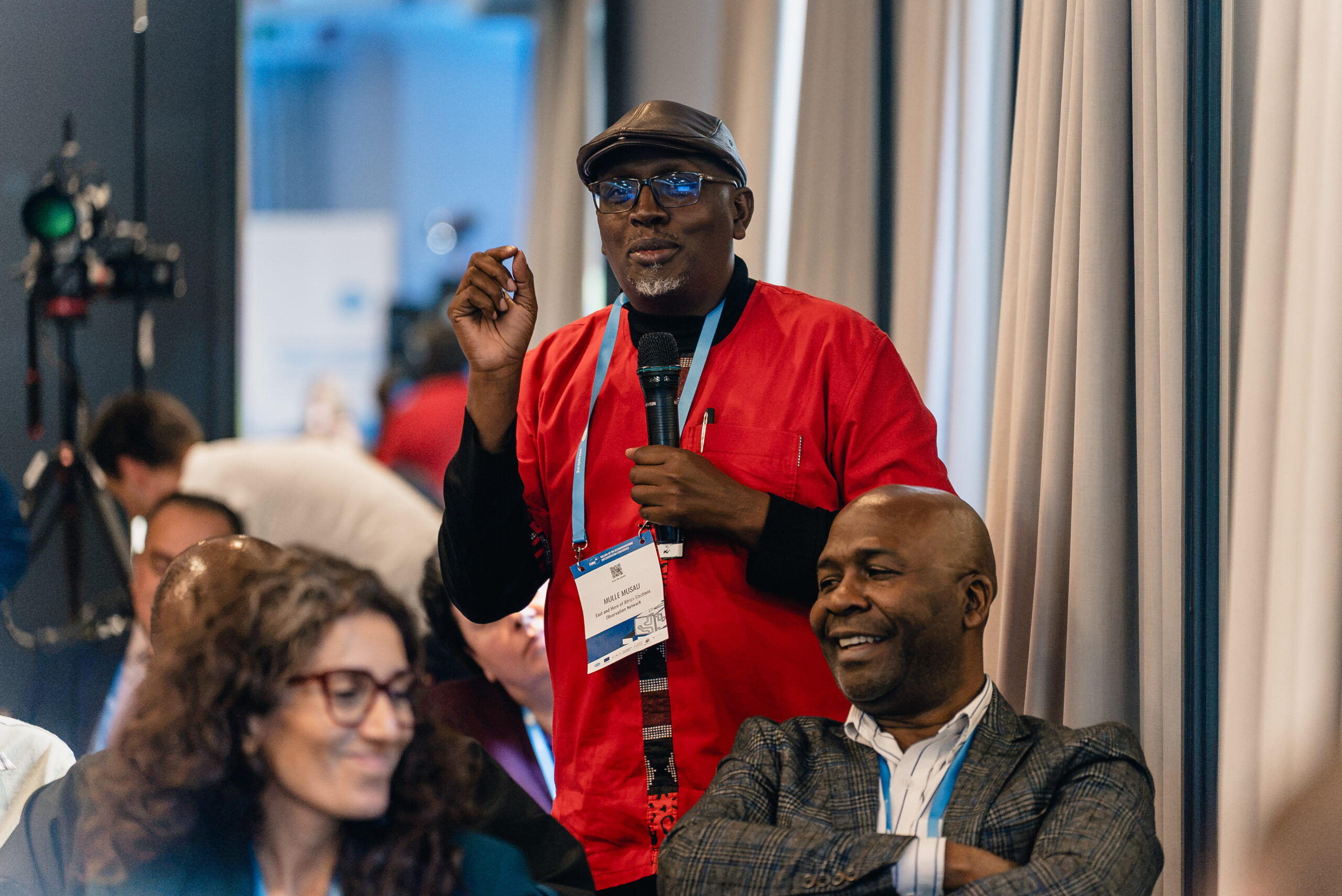
This session will explore election observation as a form of civic education and active citizenship, with a focus on young people and volunteers. It can offer citizens a practical way to engage with electoral processes, contribute to electoral integrity, and deepen their understanding of democratic participation. Drawing on experiences from Western Europe and Africa, speakers will explore different approaches to election observation, what can be learned across contexts, and how participation can be made more accessible. The discussion will also consider how election observation may develop in the future.
Speakers:
Moderator: Nikolaj Mollerup Olesen, President, SILBA – Initiative for Dialogue and Democracy
The session will showcase innovative digital tools used by civil society, including the AI-chat bot trained for voter and observer education, utilization of telecom big data to track large-scale voter displacement vis-a-vis state voter records, and AI-assisted monitoring of threats to information integrity.
Speakers:
Moderator: Tetyana Bohdanova, Senior Election Expert, Team Lead Network and Training, European Platform for Democratic Elections (EPDE)
Election observation missions produce recommendations by the hundreds. Most quietly gather dust. Drawing on DIVE 2.2 research across select EU member states, this session digs into why some electoral reform recommendations get implemented while others vanish into legislative limbo.
Intro: Robert Lech, Election Observation Expert, Political Accountability Foundation
Speakers:
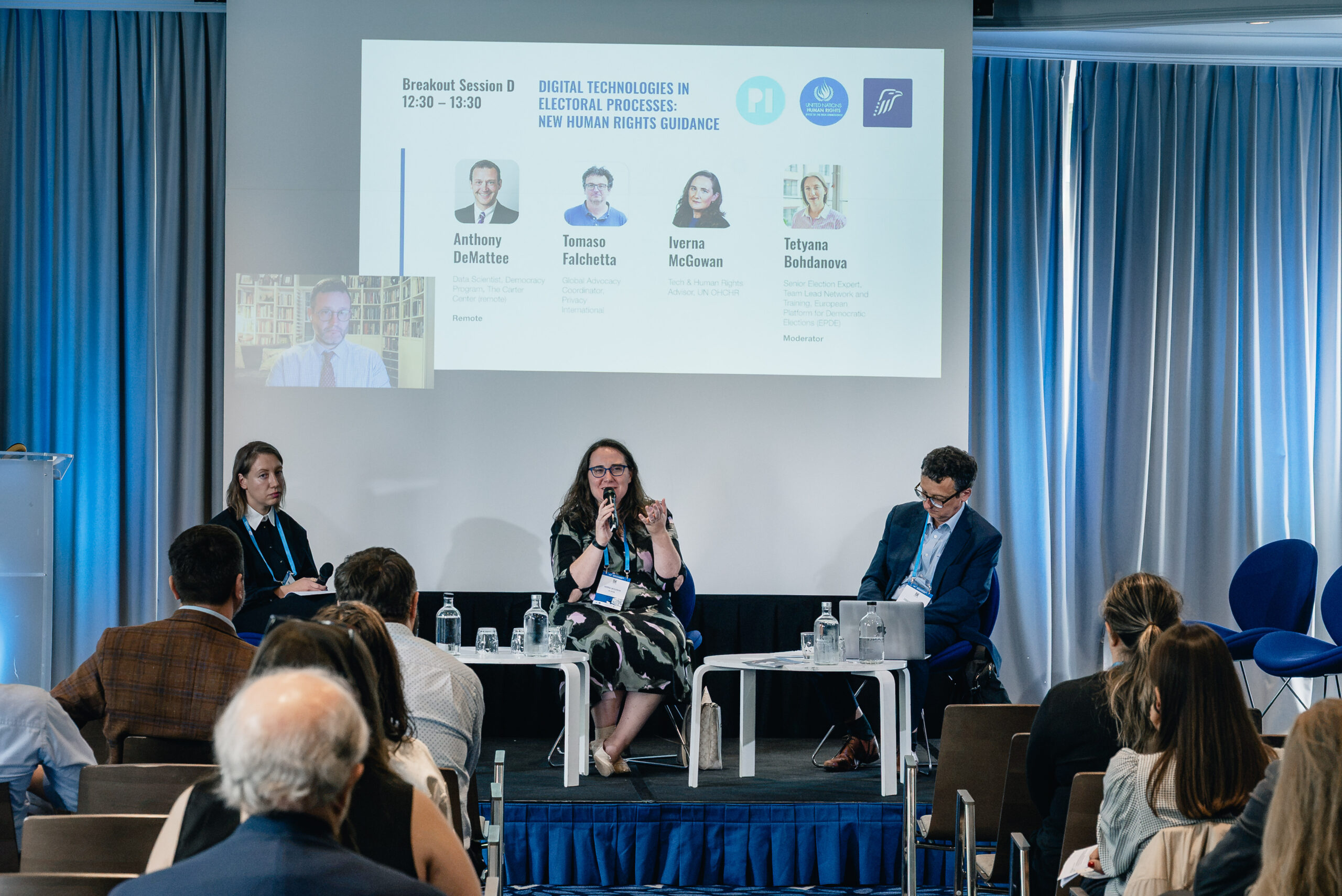
From voter registration, voting, counting and results transmission, to political communication and public participation – digital and data-driven technologies increasingly influence electoral processes and shape how people exercise their right to participate in public affairs. Drawing on the practical guidance jointly developed by the UN OHCHR, Privacy International, and The Carter Center, speakers will discuss how to apply established human rights norms and ensure effective protection of rights – including the rights to privacy, freedom of expression, and access to information – when various technologies are utilized by the election management bodies, data protection authorities, businesses, and political actors throughout the electoral cycle.
Moderator: Tetyana Bohdanova, Senior Election Expert, Team Lead Network and Training, European Platform for Democratic Elections (EPDE)
The session will focus on sharing legal strategies, institutional responses, and peer experiences that strengthen the resilience of citizen election observers facing increasing political, legal, and administrative pressure. Taking into account the increasingly challenging environments observers operate in, participants will also discuss how election observation can remain relevant for the outside world and resilient in the face of adverse internal or external factors.
Moderator: Holly Ruthrauff, International Election Analyst
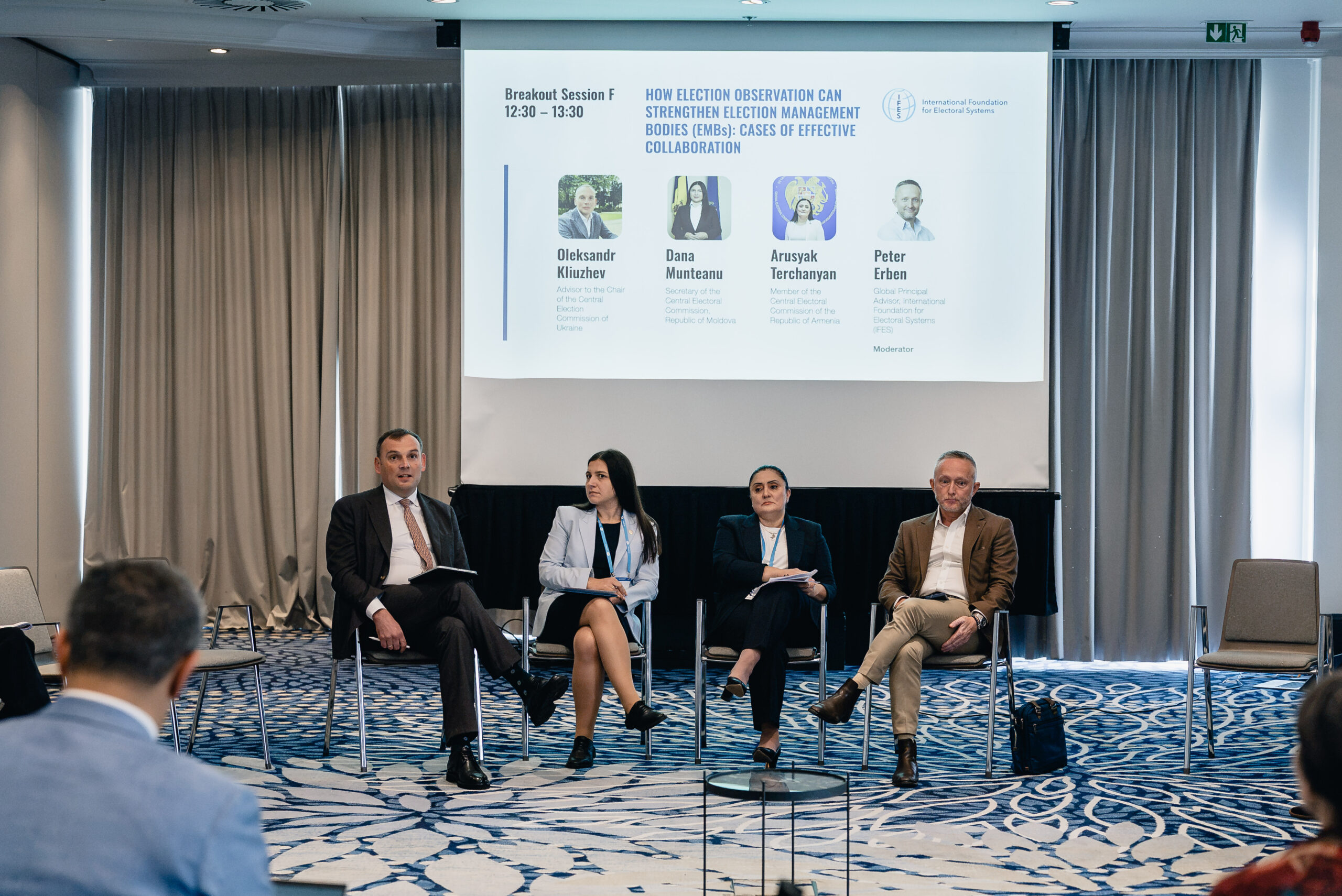
Successful advocacy for and implementation of electoral reforms are impossible without active engagement of national election management bodies. The session will address effective strategies for such engagement and share cases of effective collaboration between the EMBs and civil society.
Moderator: Peter Erben, Global Principal Advisor, International Foundation for Electoral Systems (IFES)
Facilitated reporting from session hosts and open discussion
Moderator: Tetyana Bohdanova, Senior Election Expert, Team Lead Network and Training, EPDE
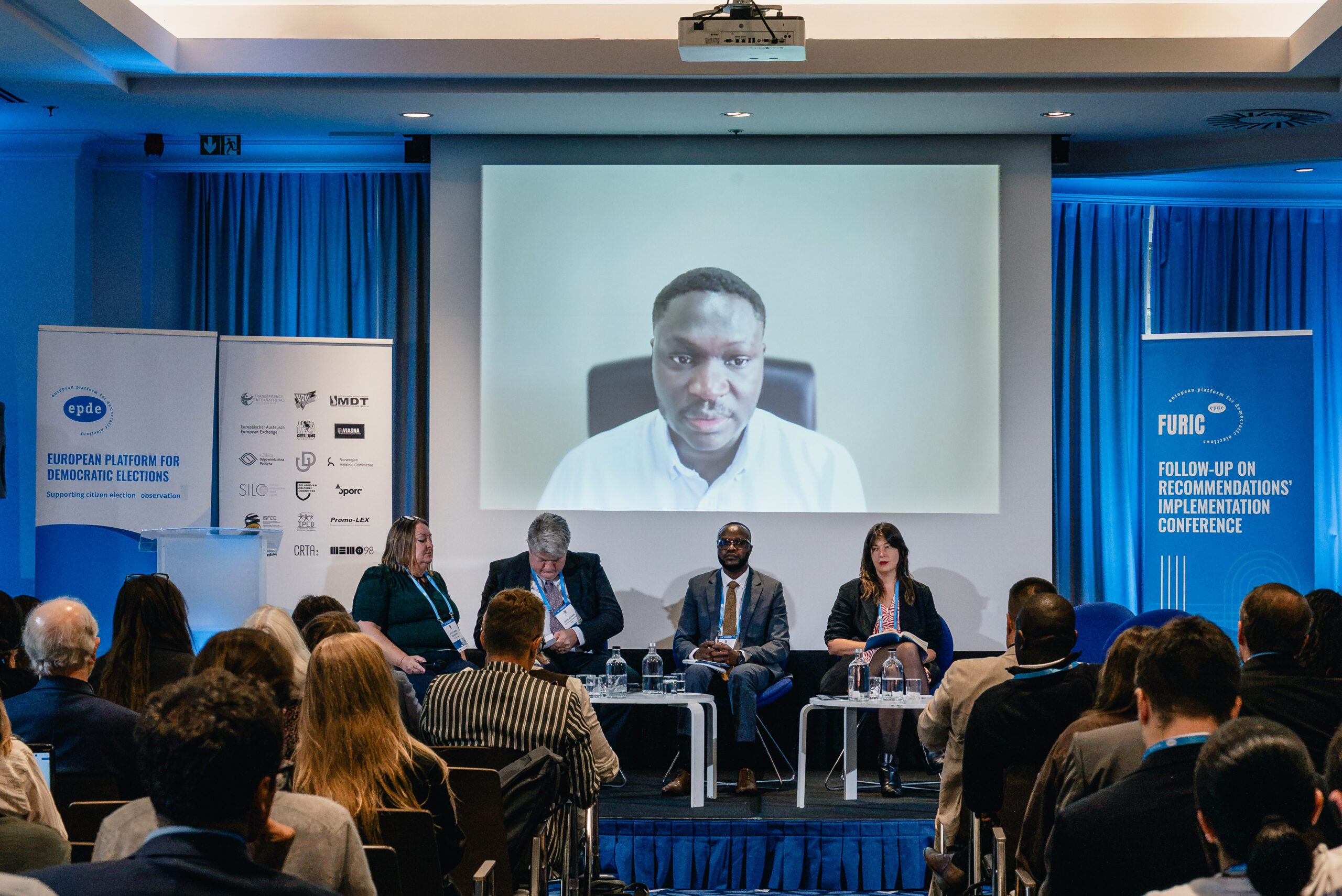
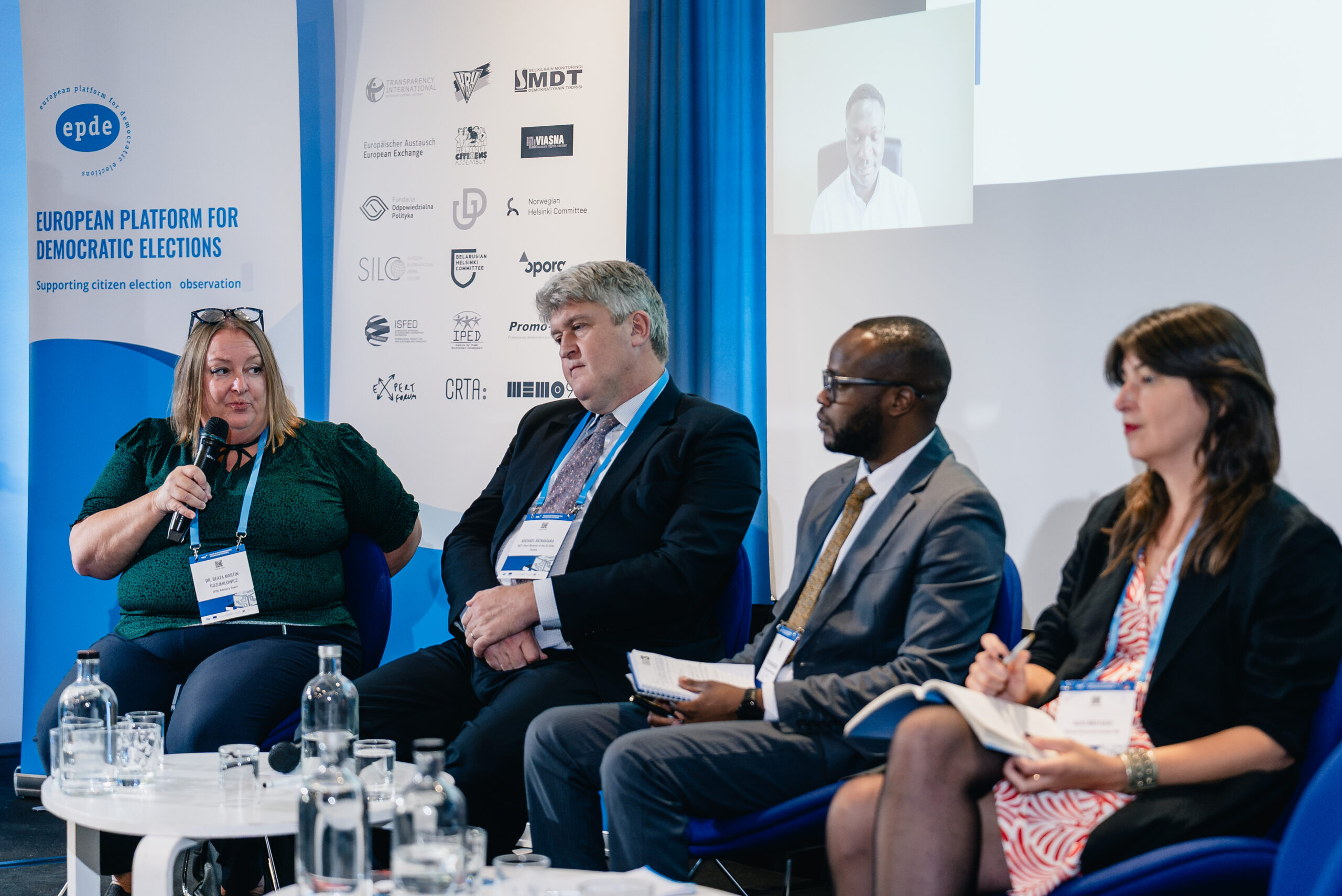
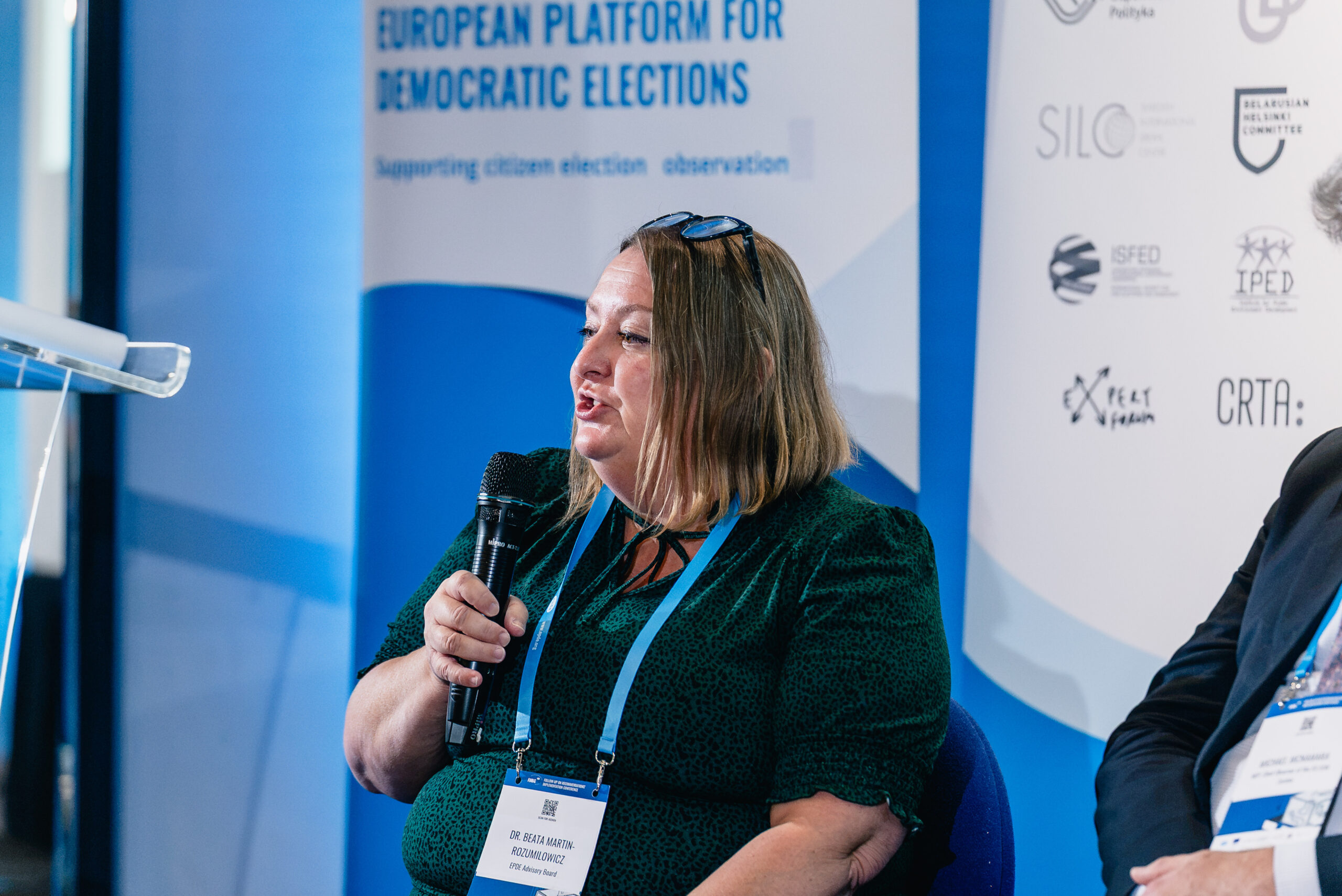
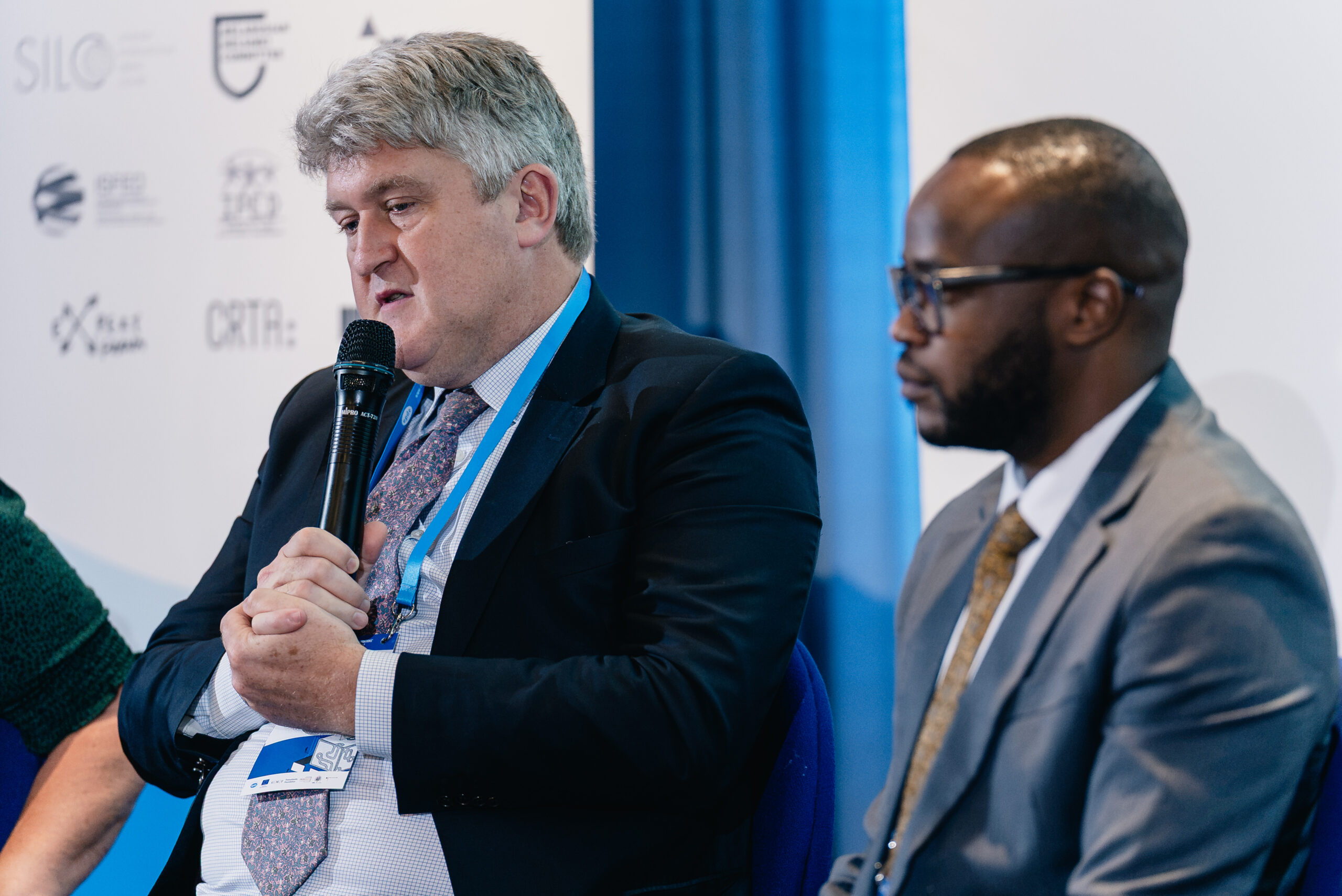
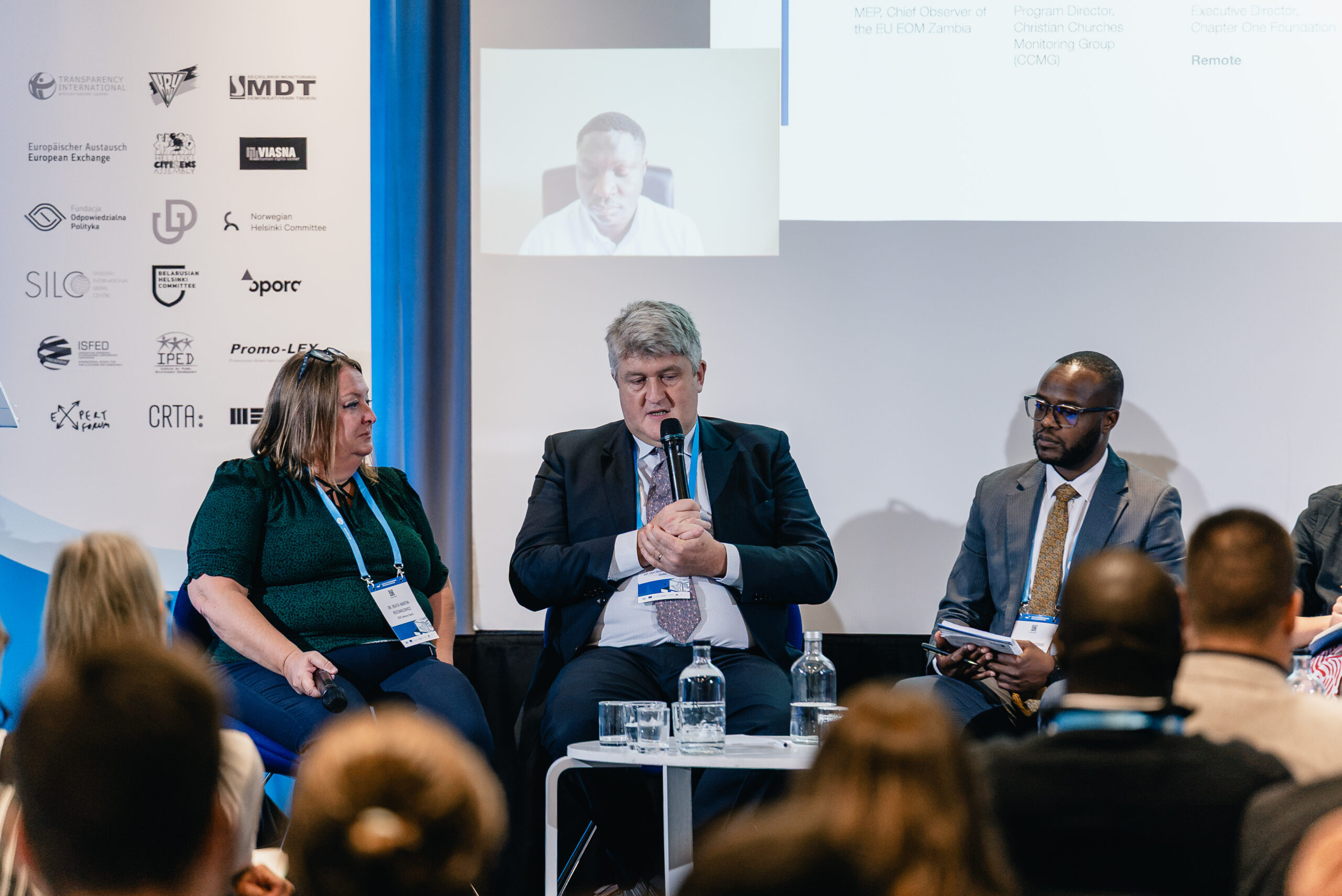
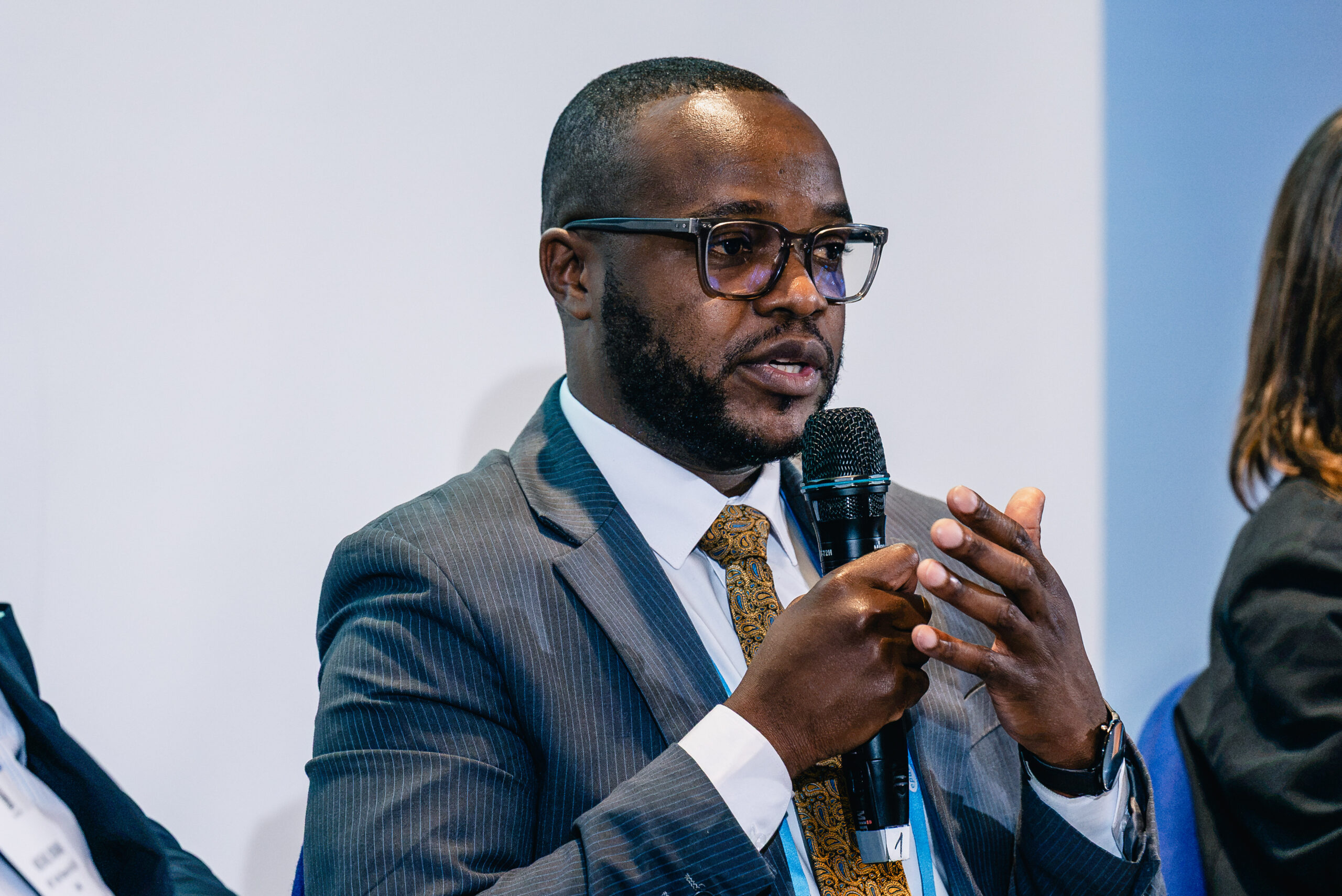
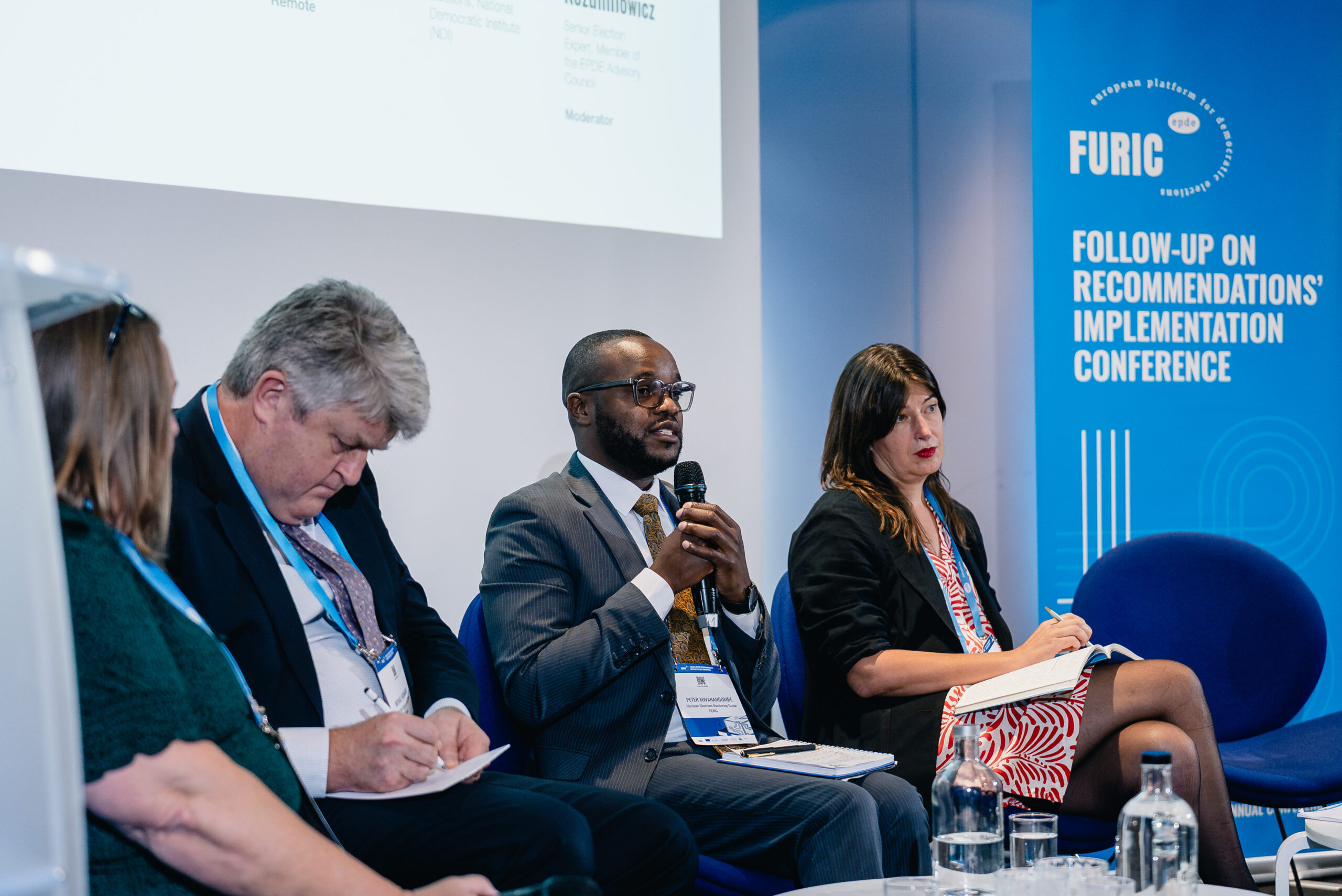
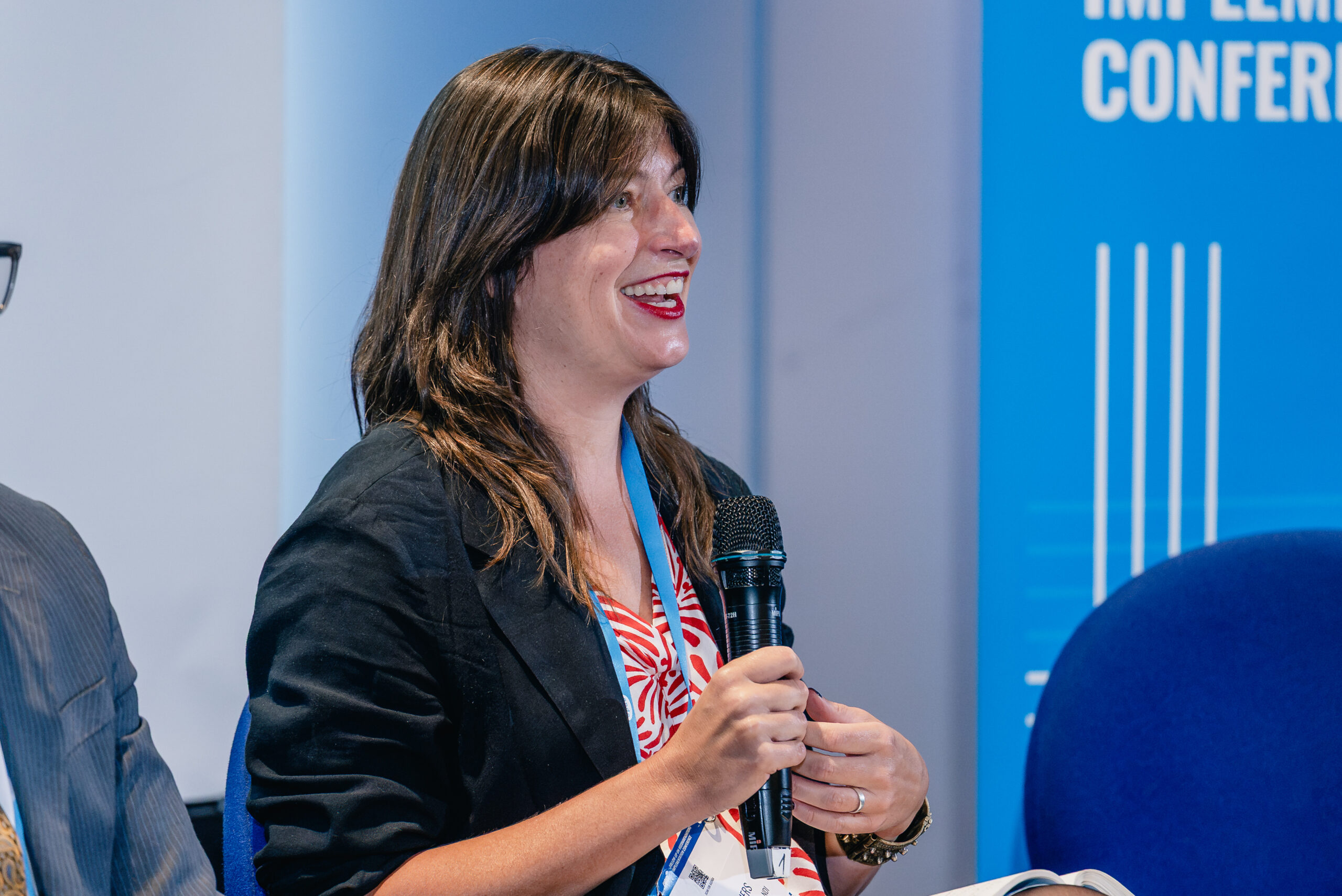
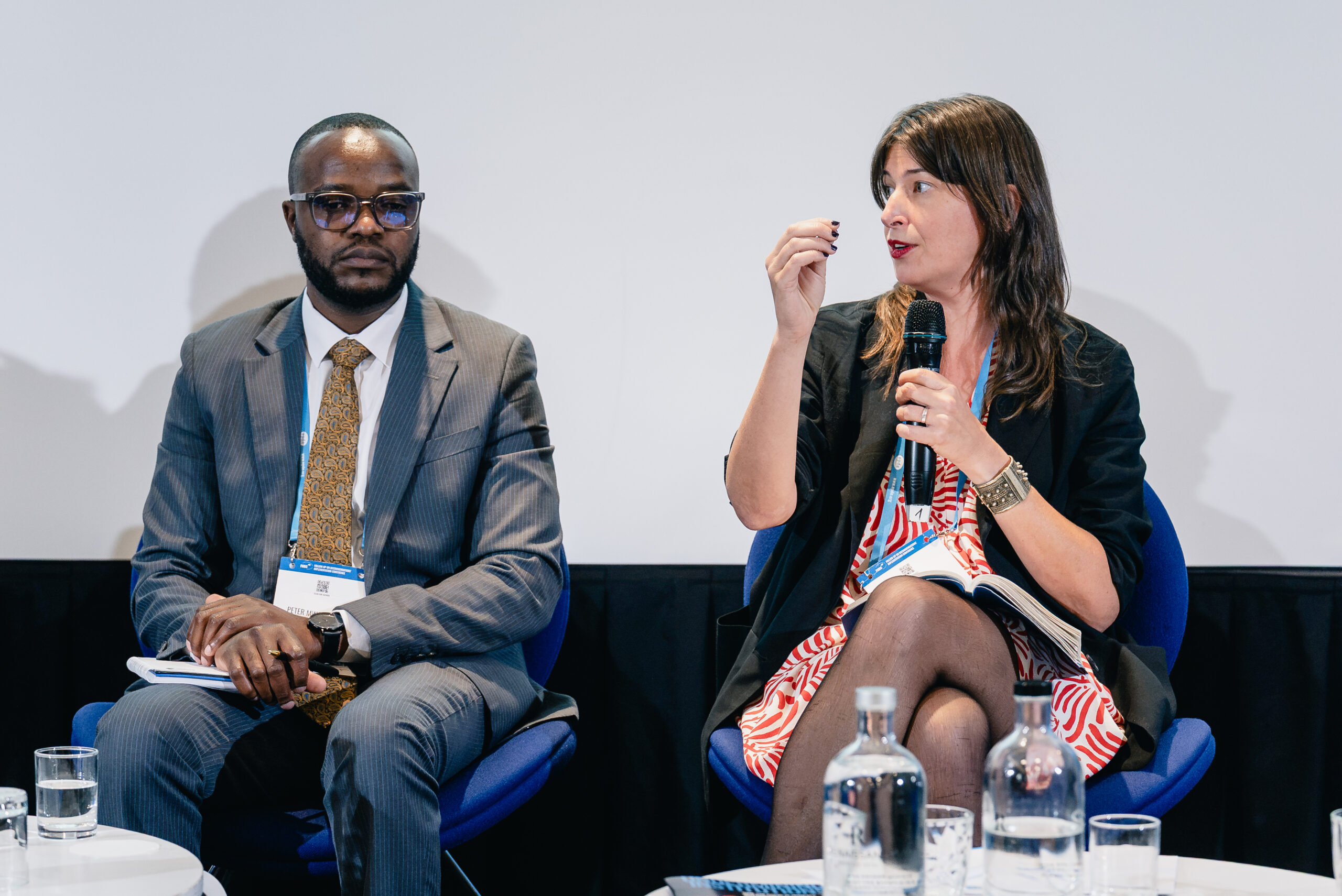
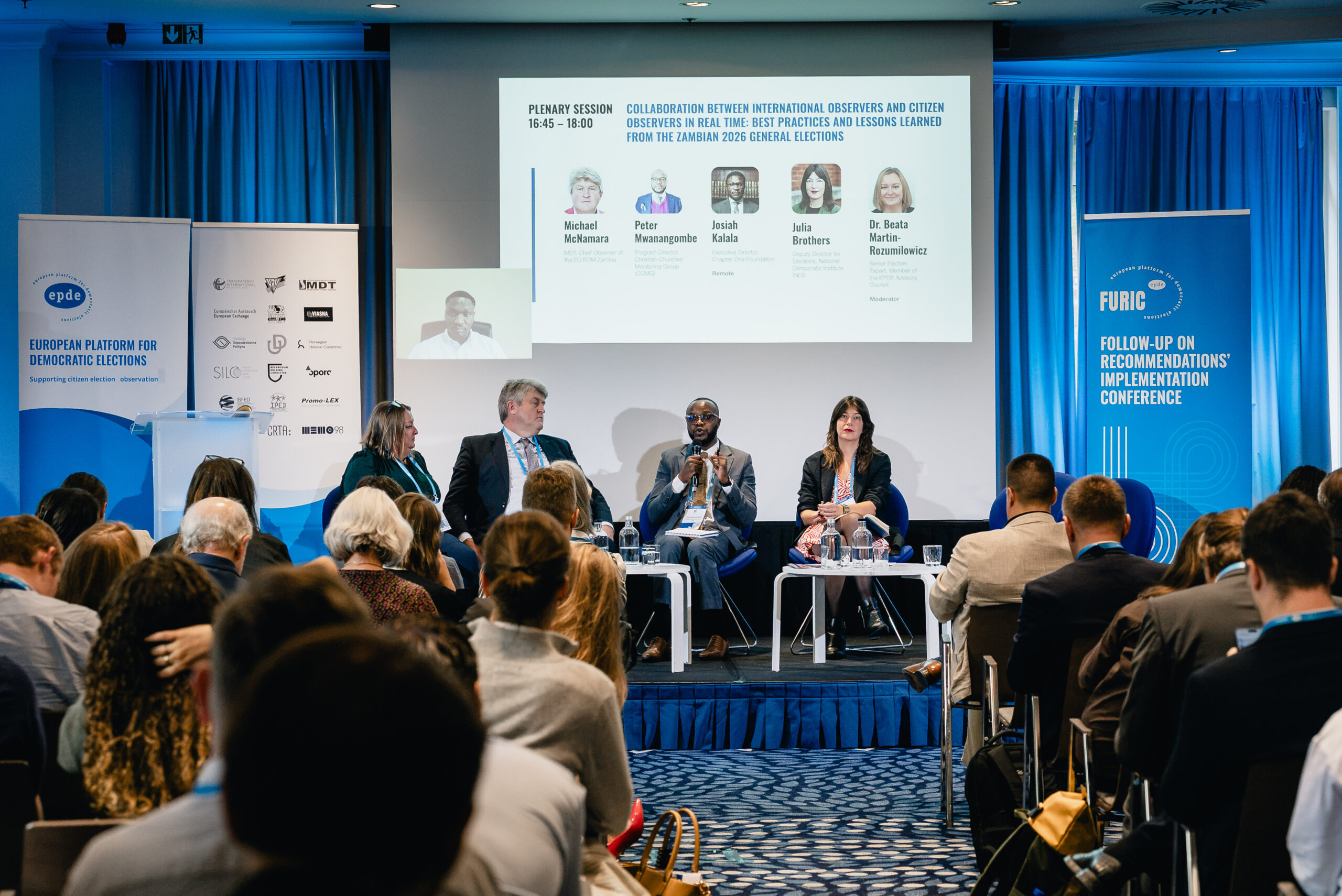
This panel will focus on the interaction and cooperation between international and citizen observers, looking at the concrete case of the 13 August 2026 General Elections in Zambia. It will examine the long-term nature of this collaboration at three distinct stages: before, during and after elections to target the long-term methodological nature of the work. It will also seek to draw best practices and lessons learned from the concrete experience, which should be extrapolatable to other scenarios and situations where international and citizen observers cooperate for the better implementation of international principles and standards in elections.
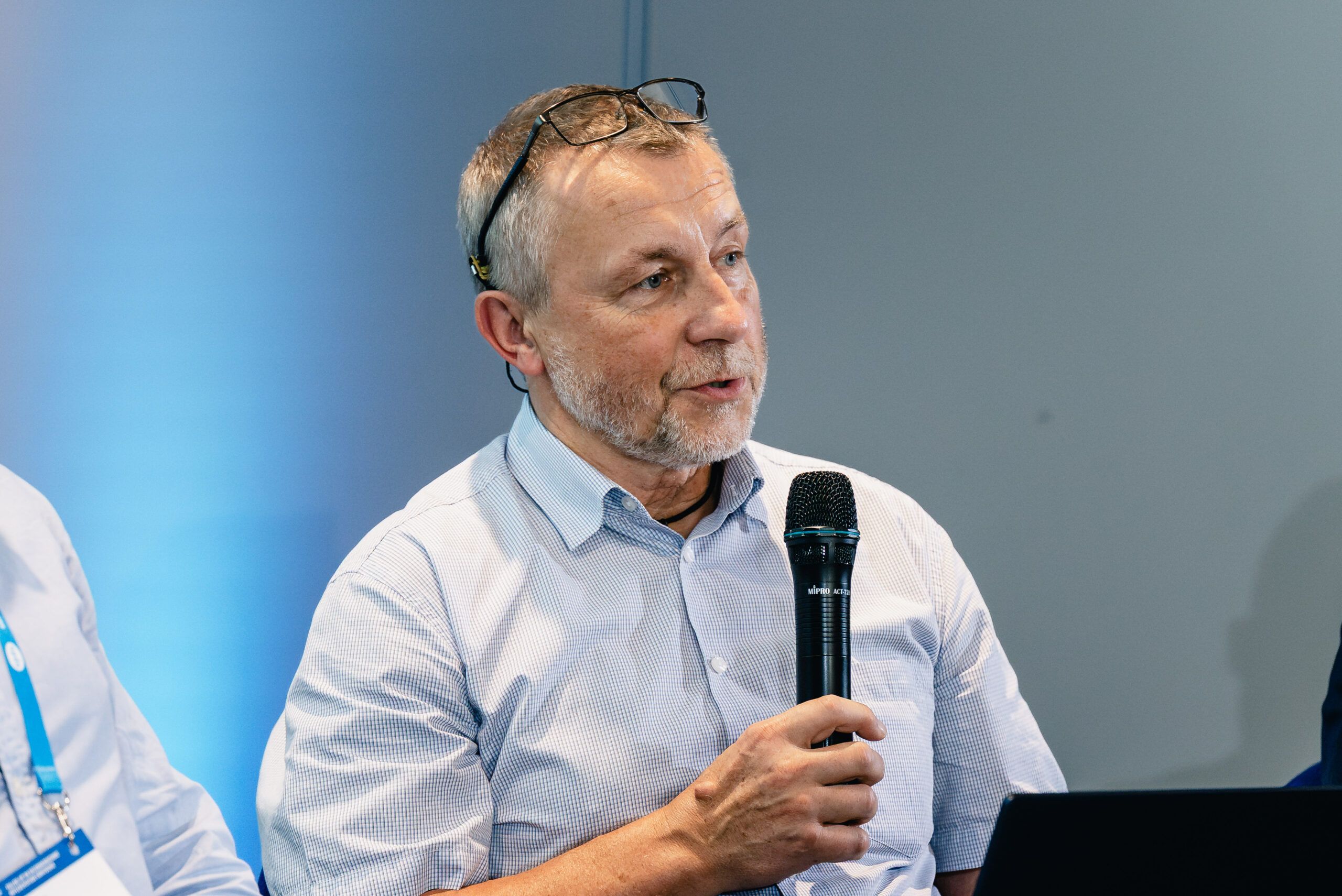
Moderator: Dr. Beata Martin-Rozumilowicz, Senior Election Expert, Member of the EPDE Advisory Council
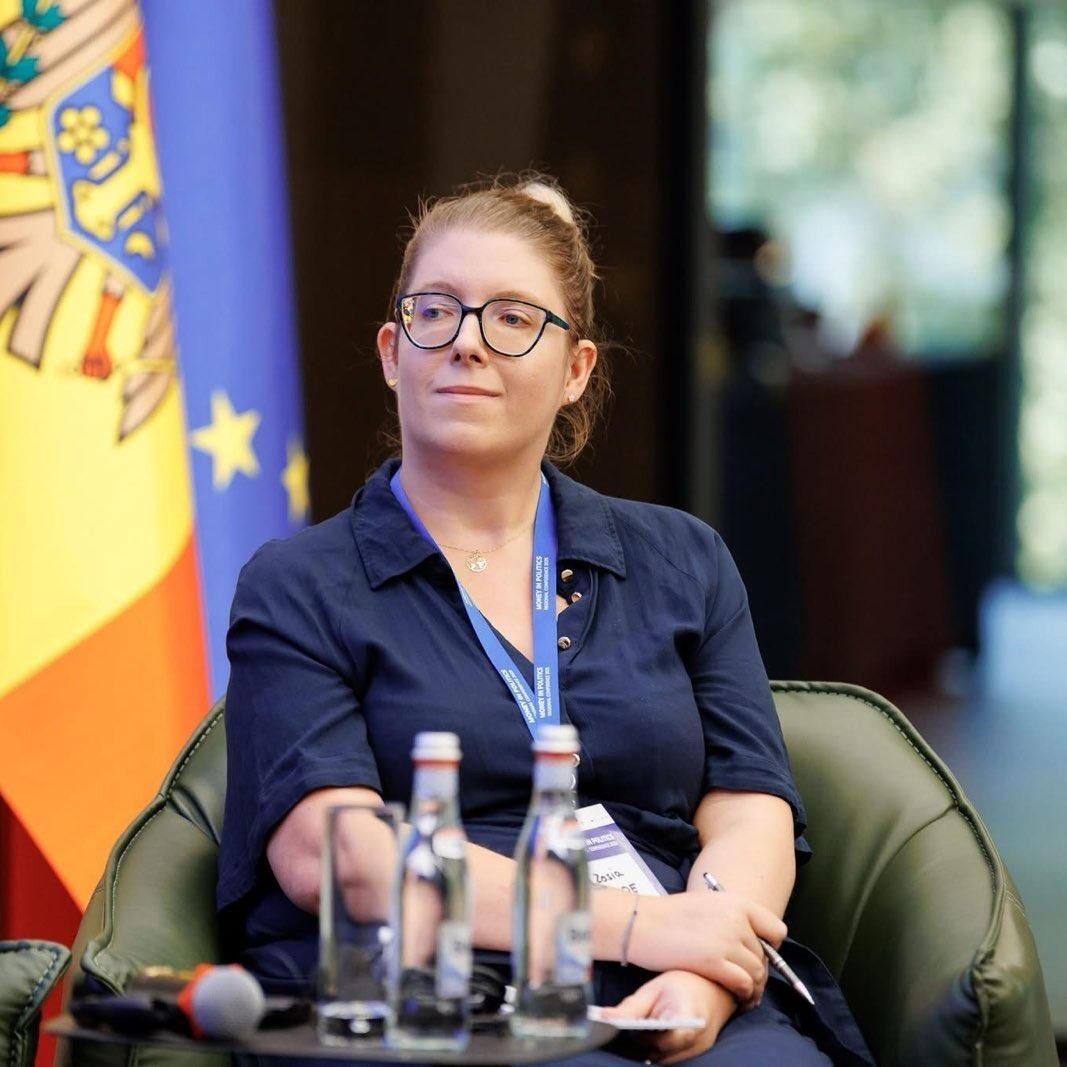
Speaker: Zofia Lutkiewicz, President, Political Accountability Foundation, Member of EPDE Board



















The views expressed in written conference materials or publications and by speakers and moderators do not necessarily reflect the opinion of donors or partners.
Subscribe to our
newsletter
Sign up for our monthly newsletter
and receive the latest EPDE news
Subscribe to our
newsletter
Sign up for our monthly newsletter and receive the latest EPDE news