
Russian information operation encourages political polarization in Georgia

On April 30, 2020 Facebook removed from its platform Kremlin’s propagandistic information agency News-Front’s pages in Georgian and other languages that they used in various countries. As part of its social media monitoring, the International Society for Fair Elections and Democracy (ISFED) was studying News-Front Georgia and Facebook accounts connected to it since November, 2019. […]
Coordinated domestic network of false media pages on Facebook operating with political intentions
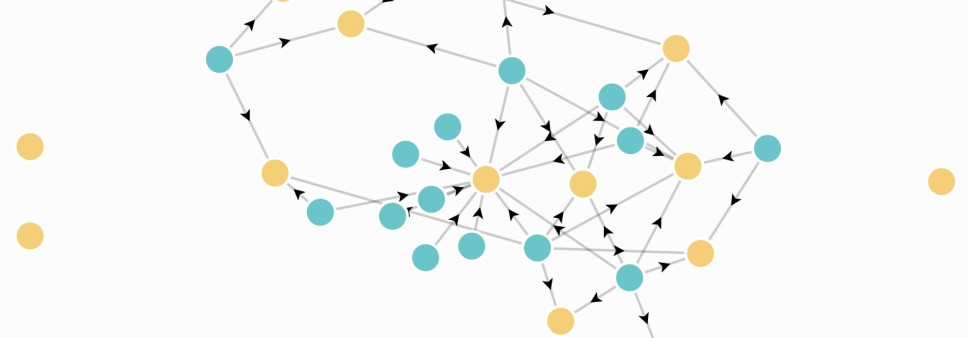
As the parliamentary election date gets closer, waves of disinformation and discrediting content intensifies both from Russian and domestic sources. It is likely that the coronavirus pandemic has caused early activation of the infrastructure created for exerting information influence on election processes. Consequently, a high level of activity of coordinated Facebook pages, groups and accounts […]
Russian information operation in Georgia – Sputnik’s coordinated network on Facebook

sputniknews.com Georgian EPDE member organization ISFED uncovered a Russian information operation on Facebook in Georgia. ISFED explains the coordinated scheme used to promote and amplify Sputnik content among Facebook users in Georgia. ISFED discovered 11 disguised Facebook pages and 17 inauthentic Facebook profiles that spread Sputnik materials in an organized and coordinated manner. Specifically: […]
Reported leak of voter data raises questions

March 30 report of a news website ZDnet about leak of personal details of Georgian voters raises a number of questions. According to the news website, on March 28, a database of 4,934,863 Georgian citizens was shared on a hacker forum, containing full names, home addresses, dates of birth, ID numbers, mobile phone numbers and other data. […]
Kremlin’s 10 Disinformation Narratives on COVID-19 in Georgia

In Georgia and the Western countries, coronavirus (COVID-19) pandemic is accompanied by a powerful campaign of information manipulation in social media, for disinformation and discrediting purposes. As the international crisis unfolds, intensified Russian disinformation campaign in Georgia, attempts to distort reality, demonstrate the need to distancing Georgia from the West, covertly attacks democratic institutions, tries […]
Planned amendments to the election code threaten transparency of elections
The International Society for Fair Elections and Democracy strongly criticizes the bill of amendments to the Election Code of Georgia, initiated in the Parliament of Georgia by the Central Election Commission (CEC) and the parliamentary legal affairs committee, bypassing the electoral reform working group. ISFED believes that some of these changes render useless the mechanisms of transparency […]
Democratic backsliding in Georgia – need to adopt proportional electoral system
ADDRESS OF NGOS TO THE GOVERNMENT ON THE TRANSITION TO THE PROPORTIONAL ELECTORAL SYSTEM The backsliding of democracy in Georgia over the recent period has come under the spotlight by international organizations and representatives of countries friendly to Georgia. Backing out on the promise to adopt a proportional system, the formation process of the […]
Ruling Party’s Electoral System Offer Is Unacceptable and Unserious

Statement of EPDE member ISFED and 15 other Georgian civil society organizations assessing the ruling party’s initiative: On December 20, during the fourth meeting between the ruling and the opposition parties on the electoral system, the Chairperson of the Parliament unveiled the ruling party’s offer about changing the electoral system in a way that out […]
Policy Alert # 1 – Political Deadlock After Broken Promise on Electoral System Change

caucasuswatch.de Georgia’s ruling party’s failure to adopt the promised constitutional amendment on transition to a fully proportional representation for the upcoming 2020 elections has caused a political deadlock in the country. The Georgian Dream (GD) backtracking on their promise has been largely viewed as an attempt to cling to power and maintain unfair advantage […]
Political Deadlock After Broken Promise on Electoral System Change
To provide an outlook for the upcoming 2020 elections in Georgia, ISFED describes in this policy paper the current political deadlock in the country caused by the ruling party failing to vote for the introduction of a proportional electoral system. ISFED analyzes a potential solution for this deadlock surrounding the electoral system and necessary changes […]
