

This year’s elections in Armenia are significant, both for its citizens and for a region facing conflict, external pressure, and disinformation from the Russian Federation and its ideological and political allies. At EPDE, we have observed that small democracies often face comparable challenges: external funding influencing campaigns, rapid spread of online FIMI, and pressure on election systems. Domestic and international election observers concluded that Moldova’s 2024–2025 election cycle addressed these issues and maintained credibility. We see an opportunity for Armenia to adopt practical approaches rather than replicate solutions or, worse, ignore the lessons learned completely.
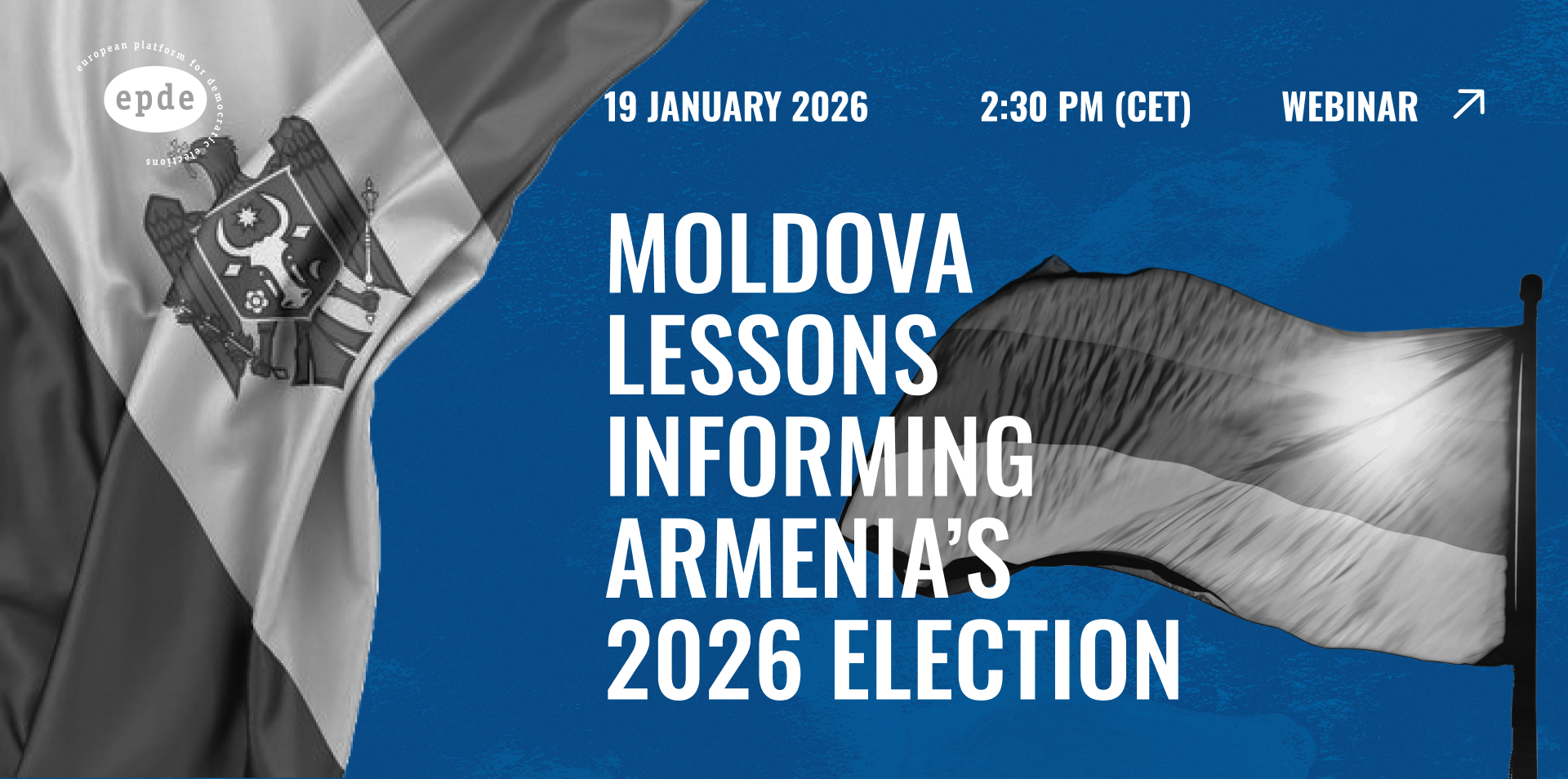
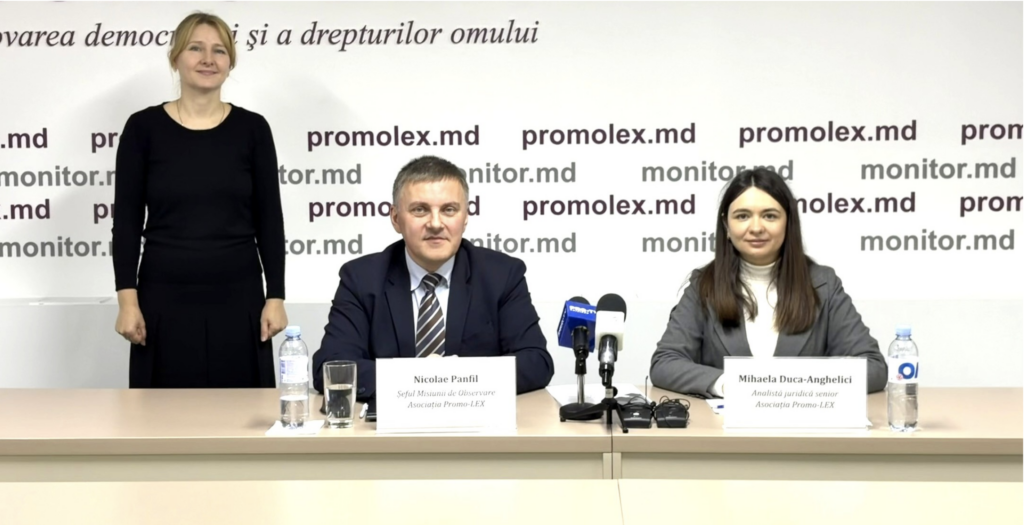
To support this, we launched the Moldova–Armenia expertise bridge on 19 January, in partnership with Transparency International Anticorruption Center (TIAC), Helsinki Citizens’ Assembly-Vanadzor, Asociația Promo-LEX, and institutional colleagues from both countries.
Five key lessons for adaptation:
1) Begin preparations early. Moldova identified specific risks before the campaign, including money flows, online threats, media manipulation, legal timelines, and access for sensitive voter groups. Armenia can take similar steps now, focusing on financial risks such as cash and cryptocurrency flows, third-party spending, and undeclared entities.
2) Establish regular coordination. Moldova brought together election officials, oversight bodies, anti-corruption agencies, police, regulators, and IT security teams with clearly defined and executable roles. Armenia can formalize a similar approach before the campaign begins.
3) Communicate based on verified information. Moldova reduced FIMI by providing prompt, clear, and verified updates. Armenia can set criteria for responding in response to misinformation and deliver timely, unified communication.
4) Collaborate with civil society and safeguard election observation. Moldova engaged credible NGOs and strengthened accreditation to prevent politicized observer groups. Armenia can combine transparency with detailed vetting and funding disclosure.
5) Adapt methods to the local context. The key is to map dangers and risks early, coordinate across institutions and the civil society, address vulnerabilities, and communicate clearly with the voters.
For Armenia, immediate priorities include developing a dynamic risk map with a focus on financial risks, establishing weekly inter-agency coordination, strengthening campaign finance monitoring, preparing explicit protocols for responding to disinformation, and rehearsing election-day continuity measures such as cyber response plans, backup hosting, and simple public updates.
Resilience is not the lack of pressure, but the presence of capacity. Moldova demonstrated that capacity can be developed. Armenia can adapt these approaches before June.
This text summarizes key takeaways from the online event “Moldova Lessons Informing Armenia’s 2026 Election“, which was held on 19 January 2026.
Subscribe to our
newsletter
Sign up for our monthly newsletter
and receive the latest EPDE news
Subscribe to our
newsletter
Sign up for our monthly newsletter and receive the latest EPDE news
